
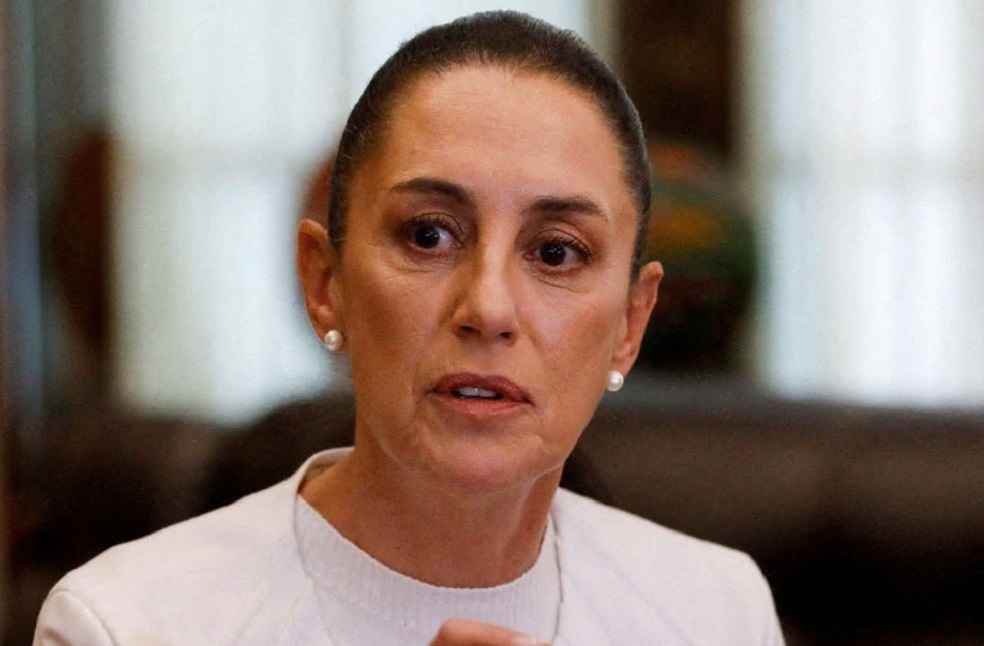
Mexico has unveiled sweeping new tariffs on imports from China and other Asian countries, a move aimed at shielding domestic industries while countering the impact of U.S. trade measures.
The import taxes, included in President Claudia Sheinbaum’s budget proposal, will cover more than 1,400 products with rates reaching up to 50%. Items targeted include light vehicles, auto parts, textiles, shoes, plastics, electronics, and toys. The budget, which is expected to pass easily through Congress, where the governing party holds majorities, marks one of Sheinbaum’s strongest trade measures since taking office.

Economy Secretary Marcelo Ebrard said the tariffs would affect 8.6% of Mexico’s imports and apply only to countries lacking free trade agreements with Mexico. The move comes as Mexico seeks to mitigate the burden of U.S. tariffs on its exports, particularly in the automotive sector, which represents nearly a quarter of the nation’s manufacturing output.
Analysts say the strategy reflects mounting pressure from Washington, where the Trump administration has accused Chinese exporters of using Mexico as a backdoor into the U.S. market. Oscar Ocampo of the Mexican Institute for Competitiveness noted that Mexico’s ultimate goal is to secure exemptions or reductions from the 25% U.S. tariffs on automobiles and the 50% levies on steel and aluminium. He suggested Mexico’s new policy could strengthen its hand in upcoming talks with Washington and Ottawa over revisions to their trade pact, though the outcome remains uncertain.

Sheinbaum, who met recently with U.S. Secretary of State Marco Rubio in Mexico City, insisted the tariffs are not the result of American pressure. Instead, she described them as a tool to boost domestic production and counter goods sold below market value, such as Chinese vehicles.
The measures have already drawn criticism from Beijing. Chinese government spokesman Guo Jiakun last month denounced the prospect of Mexican tariffs, saying they reflected coercion and violated China’s rights and interests.
Mexico maintains that, unlike the U.S., its new tariffs align with international trade rules, a point emphasized by Ocampo, who said the country is acting within established global guidelines.
REAL ESTATE | Kenya Property Market Records World’s Fastest Growth, Highest Returns