


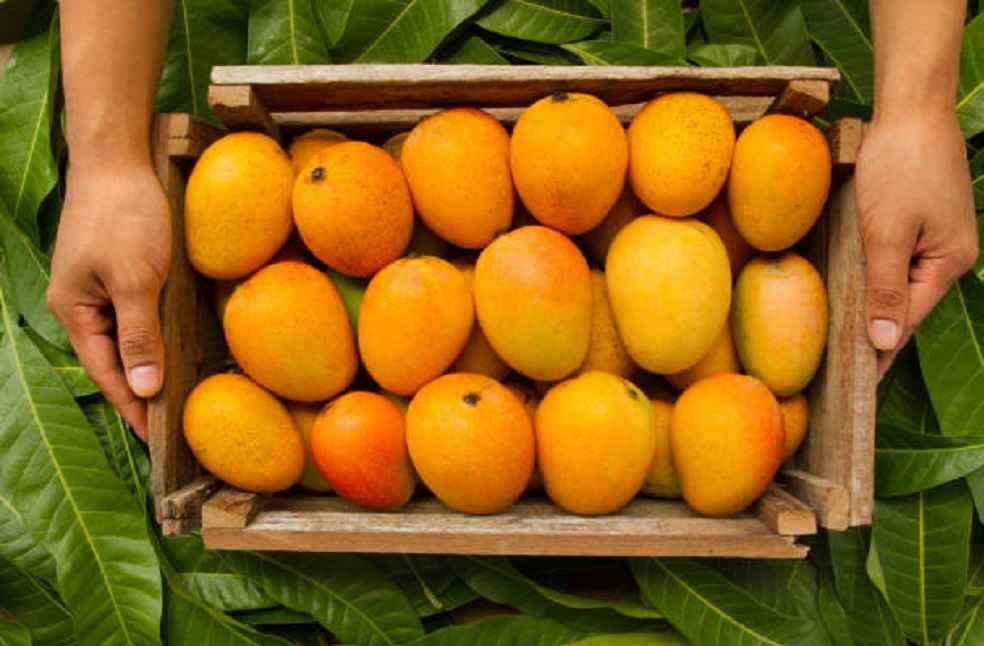
U.S. authorities have refused entry to at least 15 mango shipments from India at multiple airports, including Los Angeles, San Francisco, and Atlanta, citing documentation issues.
The USDA notified impacted exporters that U.S. Customs and Border Protection (CBP) refused entry due to an improperly issued PPQ203-a phytosanitary certificate. The notice specified that the shipments had to be either re-exported or destroyed, emphasizing that the U.S. government would not bear the costs of any corrective actions.
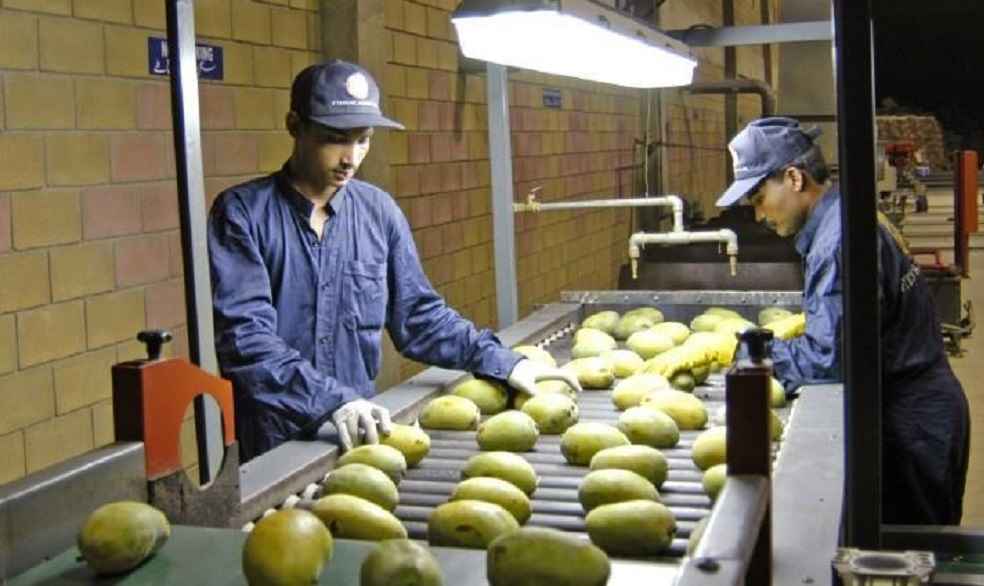
The estimated financial loss amounts to $500,000, with industry experts highlighting the severe impact of the setback. They emphasize that the United States remains India’s most profitable market for mango exports, making the rejection particularly disruptive.
Exporters stated that the mangoes underwent mandatory irradiation at a USDA-certified facility in Navi Mumbai on May 8 and 9. The treatment is crucial for pest elimination and compliance with U.S. import regulations.
Officials attributed the rejection to discrepancies in radiation treatment documentation, specifically the PPQ203 form. The certificate, issued by U.S. authorities in India, is vital for export clearance.

Exporters claim that the Maharashtra State Agricultural Marketing Board (MSAMB), responsible for operating the irradiation facility under USDA oversight, is at fault for the error.
APEDA, the agency under India’s commerce ministry responsible for agricultural exports, recognized the issue but redirected inquiries to MSAMB, stating that the matter falls within its jurisdiction.
The situation has raised issues in India’s horticulture export industry, prompting stakeholders to call for greater accountability and improved communication to mitigate future losses. MSAMB has yet to respond to the issue.
IMEX SECTOR | Vietnam Expands Fishery Exports with New Markets and Strategies