


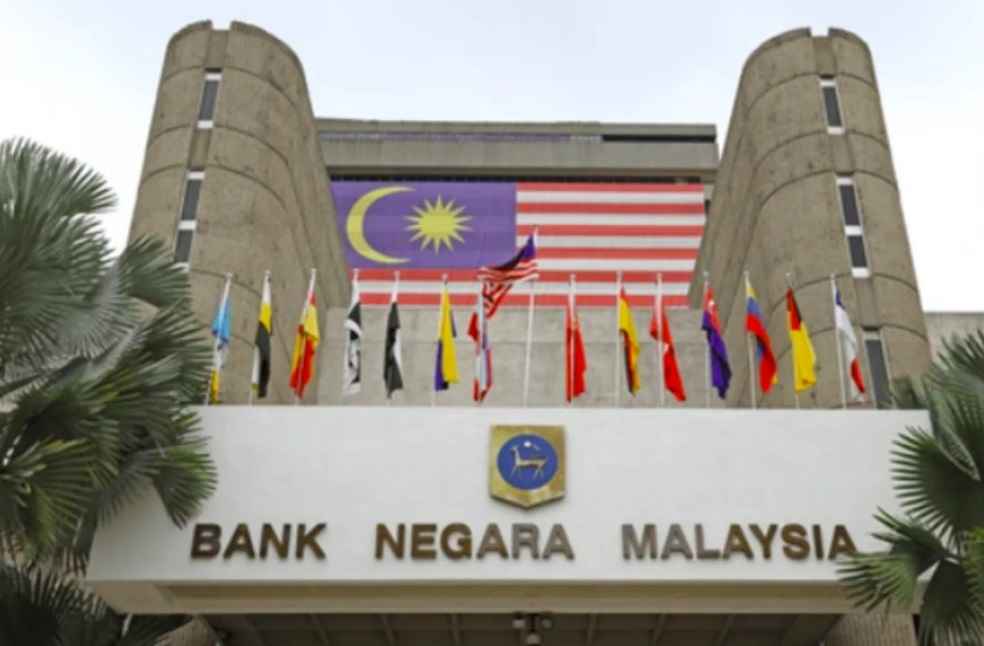
Malaysia’s banking sector closed 2025 in a strong position, supported by stable profitability, steady loan growth, and resilient asset quality, even as the global economy faced persistent trade tensions. Analysts say the sector’s outlook for next year remains steady, backed by diversified loan portfolios and favorable domestic conditions.
A major development in 2025 was Bank Pembangunan Malaysia Bhd’s acquisition of Export-Import Bank of Malaysia (Exim Bank) and SME Bank, completed in May based on their net tangible assets as of December 2023. The consolidation is expected to strengthen the banks’ mandates in addressing national development financing needs.
Solid performance in a challenging year
Bank Muamalat chief economist Dr Mohd Afzanizam Abdul Rashid said the sector performed commendably despite geopolitical uncertainty and tariff shocks triggered by the United States. Banks’ return on equity rose to 13.3% in the third quarter of 2025, up from 12.4% a year earlier.

Loan growth began the year at 5.6%, dipped to 5.1% in June, and gradually recovered to 5.5% by September. Capital ratios remained healthy, easing slightly from 18.4% in January to 17.9% in September.
AmBank Group chief economist Firdaos Rosli noted continued improvements in asset quality, with the gross impaired loan ratio edging down to 1.41% in September from 1.43% the month before. The stable labor market, with unemployment at 3.0%, helped support loan repayment capacity.
Growth led by non-household loans
Non-household lending, accounting for 40% of total loans, expanded faster in 2025, rising 5.5% year-on-year in September compared with 5.0% in January. Manufacturing-related sectors, utilities, and construction were key contributors.
Firdaos said strong performance in the residential, non-residential, and auto segments helped support overall loan growth. New car launches lifted auto financing throughout the year, while a stable Overnight Policy Rate (OPR) helped sustain demand for housing loans. Credit card spending also remained robust, with growth holding between 7 and 9%.
Impact of OPR cut on confidence and margins
Bank Negara Malaysia reduced the OPR from 3.0% to 2.75% in 2025. Firdaos said the lower and more predictable interest-rate environment helped support consumer confidence and stabilized banks’ net interest margins.
Mohd Afzanizam cautioned that OPR reductions can compress margins in the short term, as lending rates adjust more quickly than fixed deposit rates. Even so, he said economic growth and inflation remain stable, reducing the urgency for further immediate cuts. He added that banks will remain vigilant in 2026, given the expected full impact of U.S. tariffs.
Trade tensions are still a key factor
Firdaos noted that U.S. reciprocal tariffs surged in April 2025, but their impact has moderated, with trade bills peaking in June. While tariff exemptions have cushioned the effects, investor sentiment remains cautious.
He said Malaysian banks could feel indirect pressure through weaker trade activity, but systemic risk remains low due to well-diversified loan portfolios and stable credit conditions.
Despite a turbulent external backdrop, analysts agree the sector has navigated 2025 with resilience. Loan growth, healthy capital buffers, and a stable labor market continue to underpin confidence in Malaysia’s banking landscape heading into 2026.
BUSINESS GENERAL | India’s Arecanut Imports Soar as Export Growth Stalls
