


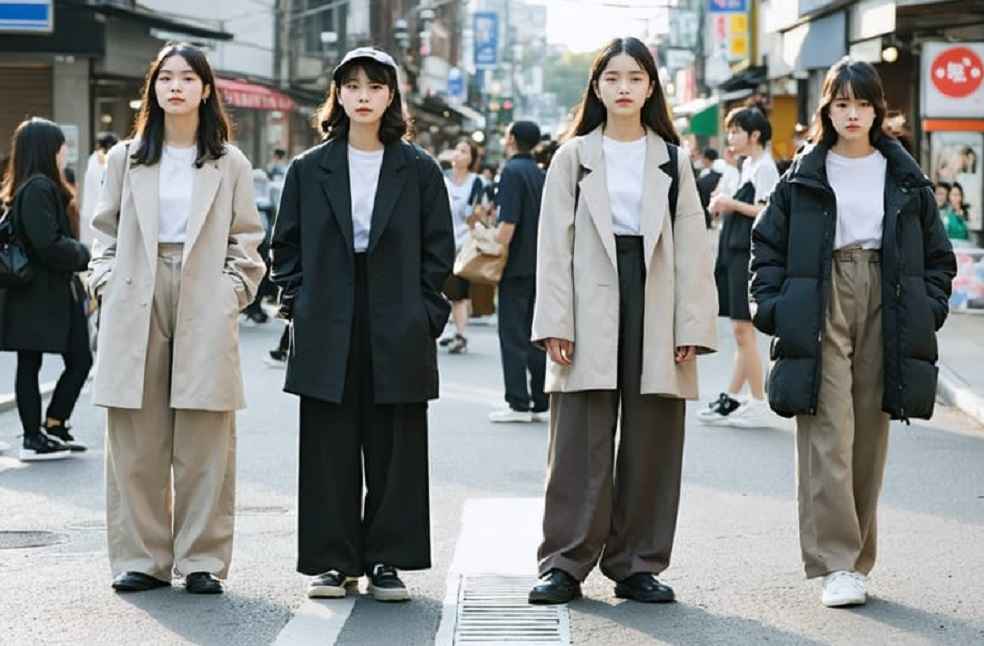
Korea’s workwear market has reached a new milestone, growing to an estimated 1.5 trillion won last year as uniforms increasingly merge fashion with functionality.
Once limited to industrial sites, workwear has transformed into a mainstream fashion category embraced across generations and professions.
According to U.S. market research firm SkyQuest, the industry’s expansion has been driven by multiple factors, including the enforcement of the Serious Accidents Punishment Act, tighter industrial safety regulations, and the post-pandemic shift toward business casual attire.
Industry observers say the influx of Millennials and Gen Z into field jobs has reshaped perceptions of workwear. Younger workers now view uniforms as a form of self-expression and professional pride.
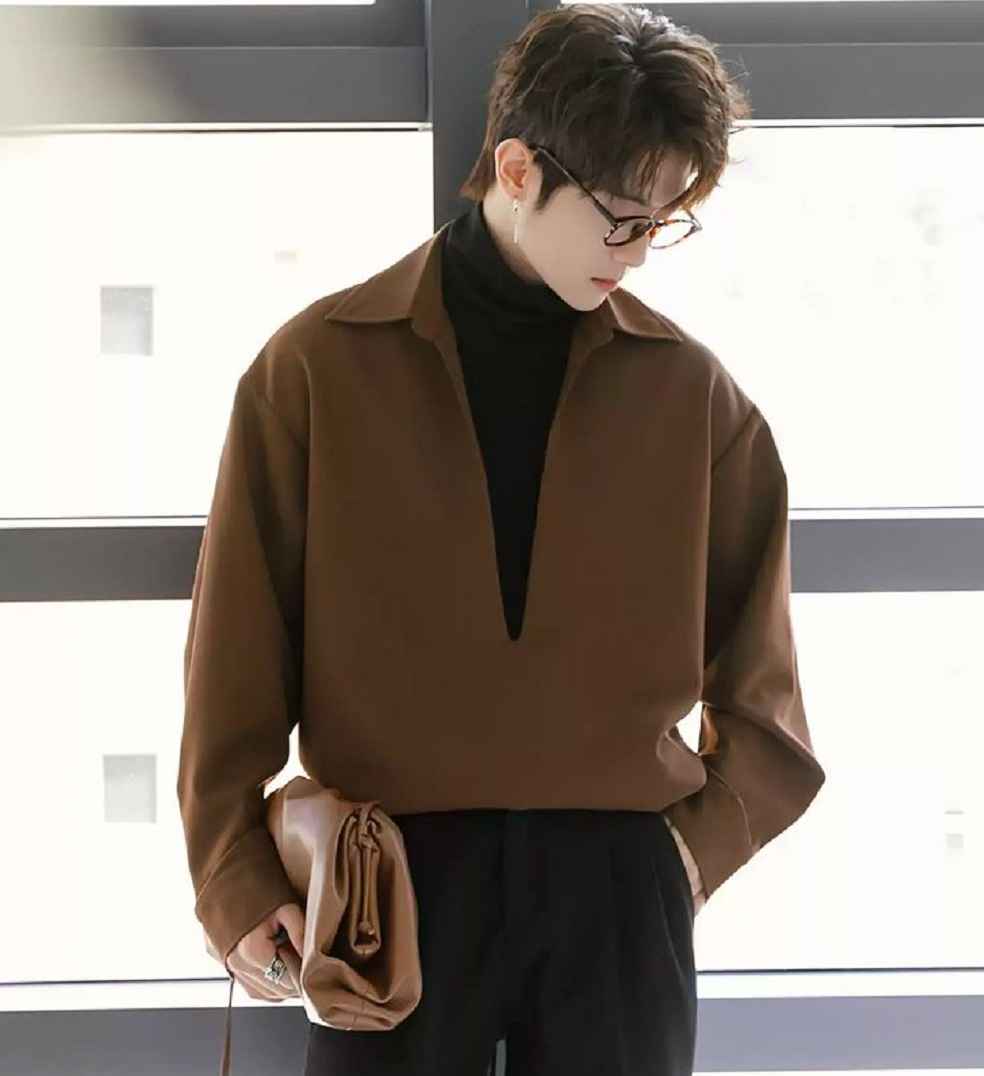
It is contributing to the rise of stylish, durable, and multipurpose designs that blur the line between work and daily wear.
The trend mirrors global patterns. Allied Market Research projected the global workwear market to reach $17.75 billion (approximately 24 trillion won) this year, with a forecasted rise to $27.87 billion (about 40 trillion won) by 2031, growing at an annual rate of 6–7%.
Major Korean fashion and outdoor brands are capitalizing on the boom. Kolon FnC’s Boldist, launched in 2020, has incorporated high-performance fabrics such as Heracron and Cordura, maintaining near double-digit annual growth.
With a 49% repurchase rate on select products, the brand aims for 20 billion won in sales this year and 150 billion won by 2030 as it expands into aerospace and defence applications.
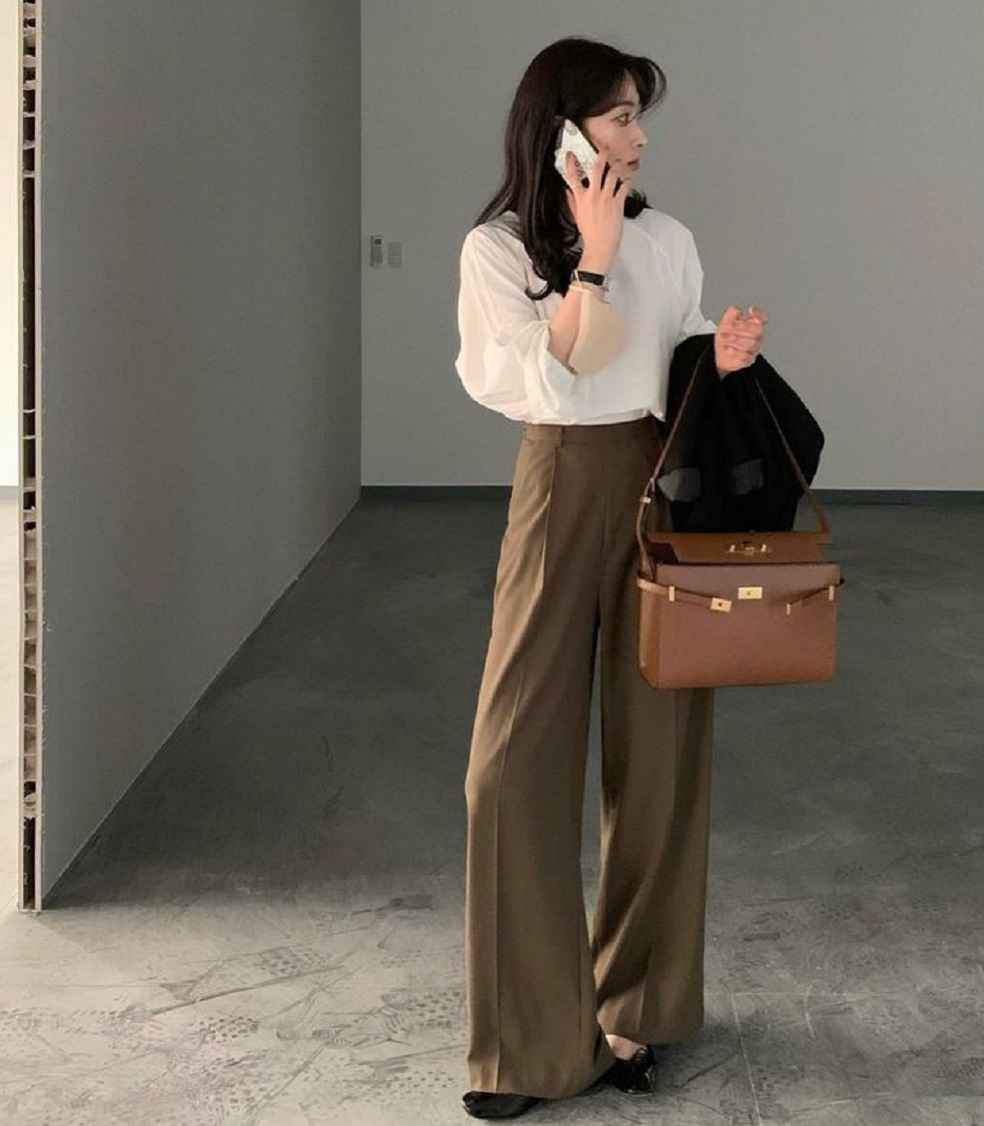
Black Yak I&C operates its B2B-focused Black Yak Workwear and Works One lines through roughly 90 multi-shops nationwide. Hyungji Elite’s Will Be Workwear is reaching younger consumers via online fashion platforms, including Musinsa, KREAM, and Lotte ON.
New entrants are also seeing rapid growth. Daehan Steel’s Acord, launched in 2022, offers customized workwear tailored to industry needs and tripled its sales last year.
Trading Post’s Workup, inspired by Japan’s Workman model, opened in February 2023 and plans to expand to 500 stores nationwide, targeting 1 trillion won in sales.
CNTUS’s AER WORKS, which became the Korean distributor for a major Japanese brand in June, sold out within three weeks of opening its first store in Busan and aims for 50 billion won in sales by 2027.
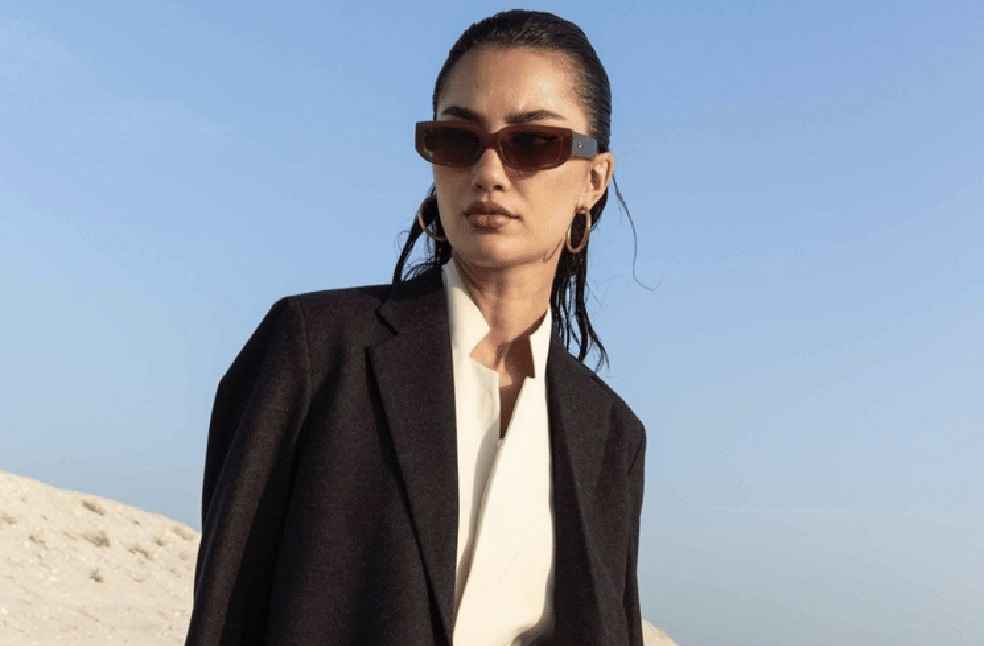
Coversomen’s tech label KIC, meanwhile, is supplying lightweight uniforms using Airtech textile technology to companies including Woowa Brothers and SK Securities.
The surge in popularity also reflects shifting fashion sensibilities. Post-pandemic lifestyles have driven demand for comfortable, gender-neutral, and practical clothing.
Durable fabrics, relaxed silhouettes, and functional pockets, once exclusive to industrial wear, are now staples of casual fashion. Global celebrities sporting work jackets and cargo pants have further propelled the style into the mainstream.
Analysts note that workwear’s growing appeal represents a new opportunity for sportswear and outdoor brands facing sluggish domestic demand.
LEADERS SPOT | Mark Carney Seeks Singapore Investment to Boost Canada Exports
