


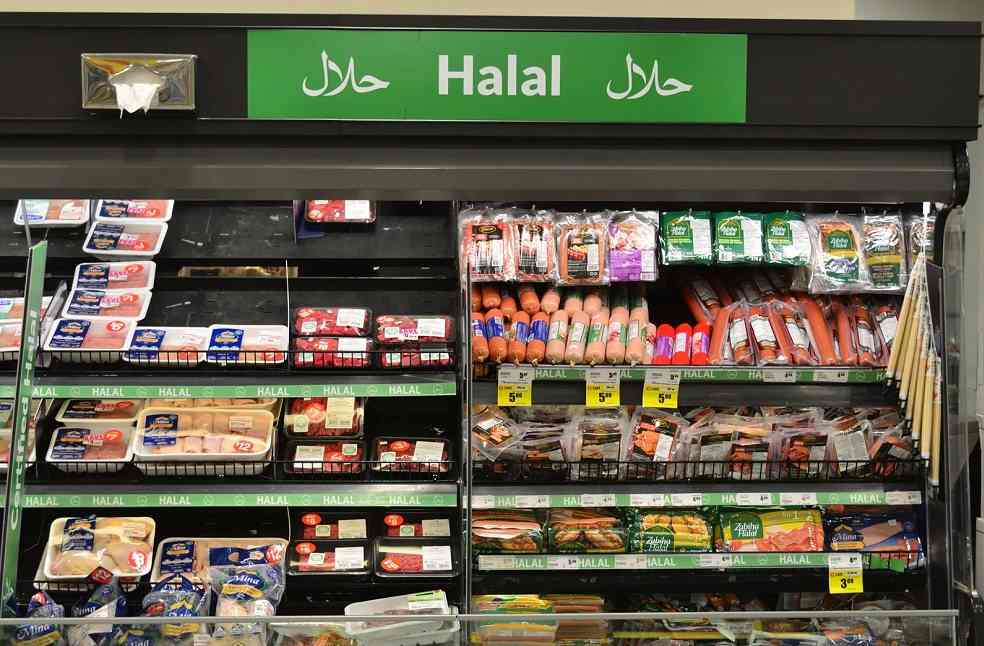
South Korea is seeking to expand international recognition of its halal certification system as part of a broader effort to increase food exports to Muslim-majority markets, with Indonesia, Malaysia, the United Arab Emirates, and Saudi Arabia identified as priority partners.
Speaking on Monday in Sejong, Minister of Agriculture, Food and Rural Affairs Song Mi-ryung said the government will step up diplomatic efforts to widen its network of mutual recognition agreements for halal certification.
The initiative is aimed at supporting domestic private halal certification agencies and reducing export barriers for Korean food producers.
Under the plan, Korean certification bodies that secure mutual recognition agreements with overseas halal authorities will be able to certify products on their behalf.
This would allow Korean exporters to access Muslim markets directly without undergoing repeated inspections by foreign authorities for halal labeling approval.

Halal certification requires compliance with Islamic dietary standards across the entire production chain, including ingredient sourcing, manufacturing, storage, and logistics.
According to the ministry, expanding mutual recognition agreements would significantly improve market access for Korean food companies and streamline export procedures.
“The most important thing is for the government to concentrate its efforts on the mutual recognition agreement issue so that Korean food companies can export more,” Song said during a press conference.
She added that the government plans to invite halal experts from overseas to Korea for consultations, with the aim of strengthening cooperation among governments, certification agencies, and companies.
The policy push follows Song’s participation at Gulfood 2026, the Middle East’s largest international food trade exhibition, held in Dubai from January 26 to 30. During the event, Korean companies signed 14 memorandums of understanding valued at about $8 million.
Popular Korean products at the exhibition included gimbap, tteokbokki, and instant noodles, alongside fresh produce such as berries and Shine Muscat grapes.
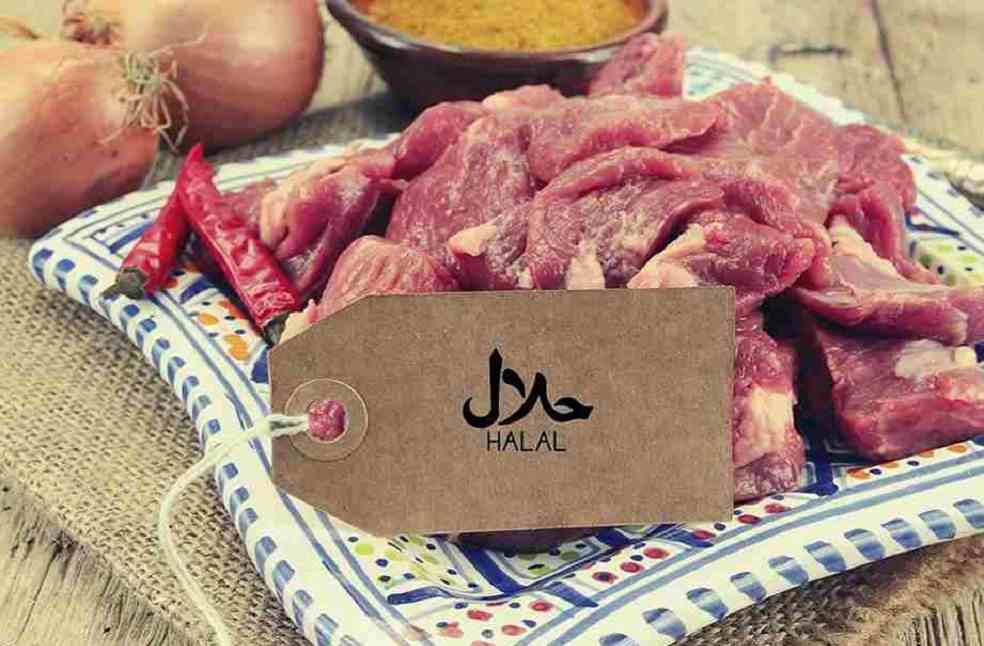
Korean beef, known as hanwoo, also attracted attention. A livestock farmers’ cooperative from Gangwon Province began exporting hanwoo to Dubai last September, marking South Korea’s first export of the premium beef to the Middle East.
Song also visited Singapore on January 30, where South Korea already exports hanwoo and pork following the Singaporean government’s approval of health and safety standards for both products last November.
The Korean ministry recently hosted a launch event for Korean meat products in Singapore, attended by around 160 guests at Marina Bay Sands.
According to Song, Singapore’s high income levels and developed food culture make it a strategic market for Korean food exports. She noted positive feedback from consumers and chefs on hanwoo’s flavor profile, positioning it as a competitive premium product alongside established global beef varieties.
To support overseas expansion, the South Korean government has allocated more than 700 billion won, or about $478 million, in export-related subsidies and designated 30 overseas embassies as K-food export bases to promote Korean food products in key international markets.
INSPIRING | Bangladesh Signs First Economic Partnership Deal With Japan
