


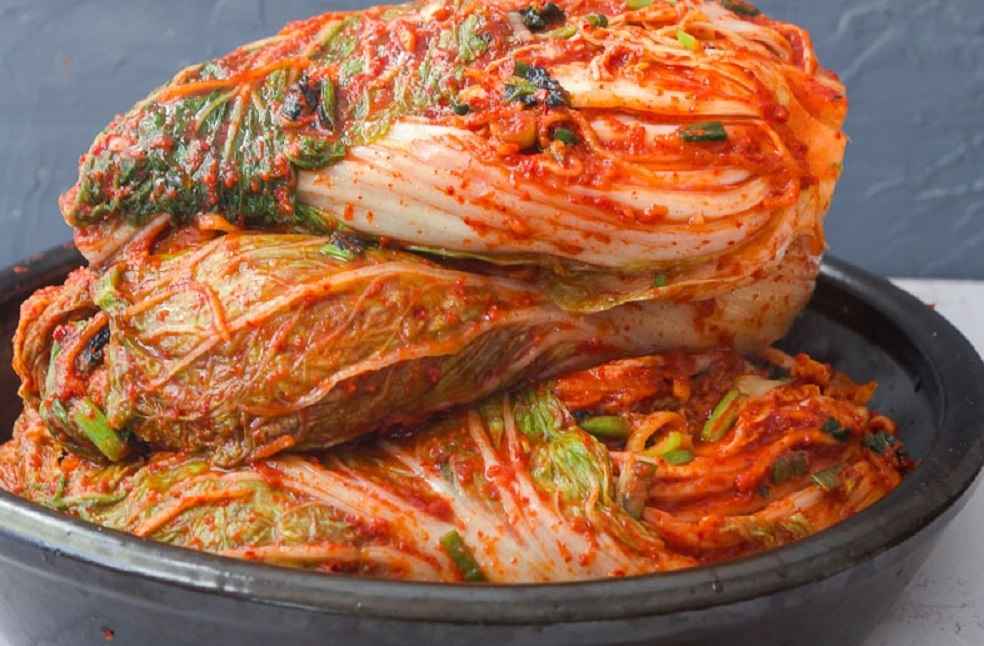
Korean authorities have secured the official use of the term ‘kimchi cabbage’ in the global Codex food standard, allowing foreign retailers to list it as the primary ingredient in kimchi instead of ‘Chinese cabbage.’ The update allows Korea to better protect kimchi’s identity in global markets and in future food-origin disputes.
The Ministry of Food and Drug Safety, the Ministry of Agriculture, Food and Rural Affairs, and the Ministry of Oceans and Fisheries said on the 17th that ‘kimchi cabbage’ was added to the international kimchi standard.
The incident took place during the 48th Codex Alimentarius Commission (CODEX) session held in Rome, Italy, from June 10 to June 14. CODEX, operated by the FAO and WHO, develops global food standards and includes 188 member countries.
When the original Codex kimchi standard was established in 2001, only ‘Chinese cabbage’ was listed as the main ingredient, which led supermarkets overseas to use that term on Korean kimchi labels. Some used ‘Napa cabbage’, a variety registered in the United States.
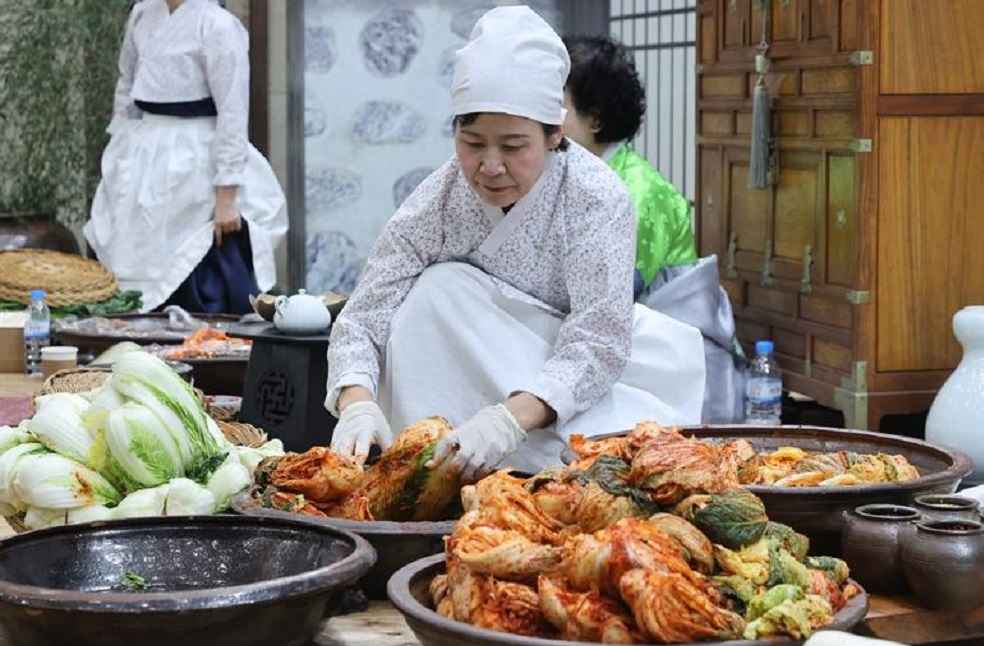
This caused confusion among consumers and added weight to China’s recurring claim that kimchi is a form of paocai, a Chinese pickle. Korean officials argued that the terminology in the Codex standard contributed to misunderstandings about kimchi’s national origin.
The government documented the widespread use of kimchi cabbage in scientific and trade references, then proposed the revision. The updated standard now recognizes three ingredient terms: kimchi cabbage, Chinese cabbage, and Napa cabbage.
Officials believe this correction provides a formal basis for Korea to counter diplomatic and trade disputes involving food heritage and naming rights.
The change allows international food suppliers to label products using kimchi cabbage, which is expected to support exports of Korean kimchi and related agricultural supplies. The government also expects the revised standard to limit future attempts to misrepresent the origin of kimchi or undermine its branding.

Korea also gained approval at the same CODEX session to establish global standards for gim (seaweed) products, covering dried, roasted, and seasoned forms. Until now, seaweed standards have existed only at a regional level in Asia.
New rules on quality, hygiene, labeling, and testing methods are expected to support Korea’s goal of expanding gim exports beyond 1 billion dollars a year, about 1.44 trillion won.
Korea was elected chair of the Codex Processing and Vegetable Products Committee. The government said it intends to use that position to advance international standardization for Korean foods such as kimchi, ginseng products, and gochujang.
BANKING & FINANCE | State Bank of Vietnam Weighs Higher Gold Position Limits for Lenders