


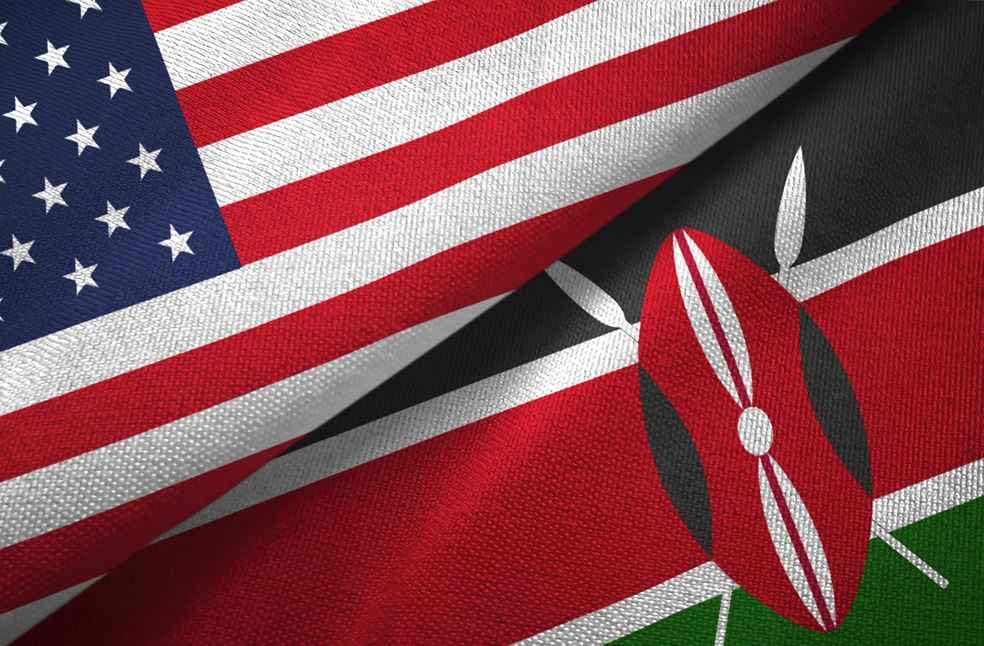
Kenya and the United States have restarted talks to establish a reciprocal trade framework, marking progress toward a long-term bilateral agreement.
Following the initial round of consultations in Washington, D.C., Kenya aims to strengthen economic ties with the U.S., potentially boosting exports, attracting investment, and enhancing commercial collaboration. The first discussions addressed trade in goods, tariffs, non-tariff barriers, agricultural products, services, digital trade, intellectual property, investment, and economic security.
The Kenyan delegation was led by Principal Secretary for Trade Regina Ombam, while the U.S. team was headed by Acting Assistant U.S. Trade Representative for Africa Osvaldo Gómez-Martínez.
Both nations reiterated their strong political, diplomatic, and economic ties, emphasizing consistent growth in bilateral trade and rising U.S. investment in Kenya.
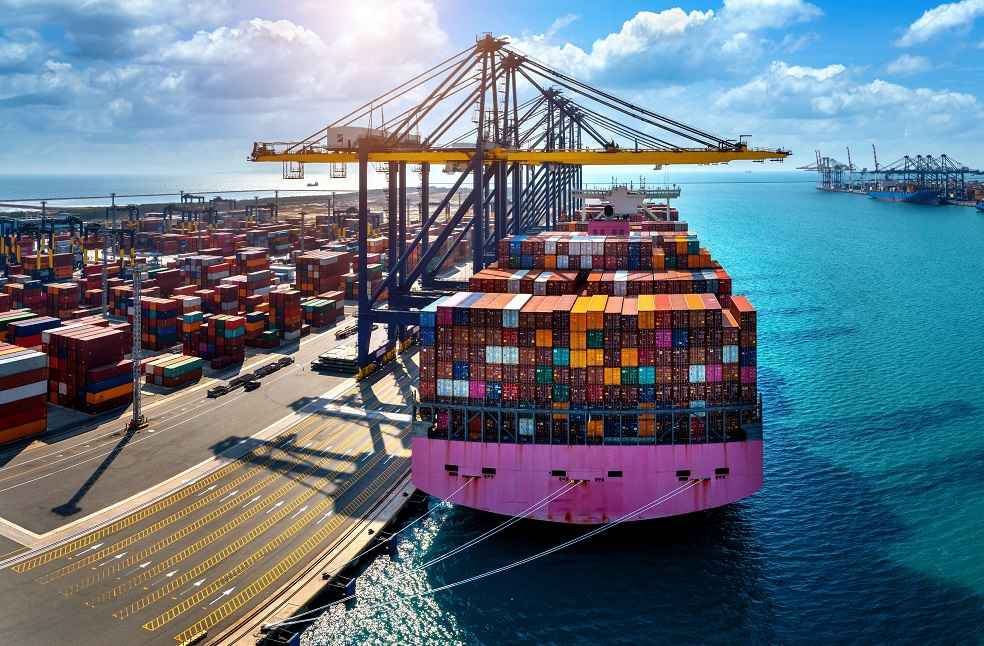
The negotiations come at a pivotal moment for Kenyan exporters who depend on the African Growth and Opportunity Act (AGOA), a U.S. trade program that provides duty-free access to qualifying African nations. Discussions underscored the need to sustain the benefits of AGOA, which has been extended through the end of 2026. Both sides stressed that establishing a formal trade framework would help preserve economic stability, stimulate investment, and drive growth across major industries.
Trade between the two nations reached $3.3 billion in 2024, marking an 18% rise from the previous year. Kenya shipped $737.1 million worth of goods such as coffee, tea, macadamia nuts, apparel, and cut flowers, while imports from the United States climbed to $771.3 million. Additionally, Kenya posted a services trade surplus of $192 million, driven by growth in tourism, digital services, transportation, and financial services.

Although no final deal was reached, Kenya’s Investments, Trade, and Industry Cabinet Secretary Lee Kinyanjui characterized the discussions as a significant step forward for the country’s trade strategy. Officials indicated that a formal reciprocal trade pact would provide greater long-term certainty for businesses and investors, strengthening economic relations beyond the existing preference-based arrangement.
AEROSPACE AND DEFENCE | India and Israel Boost Defence, Trade and Tech Cooperation