


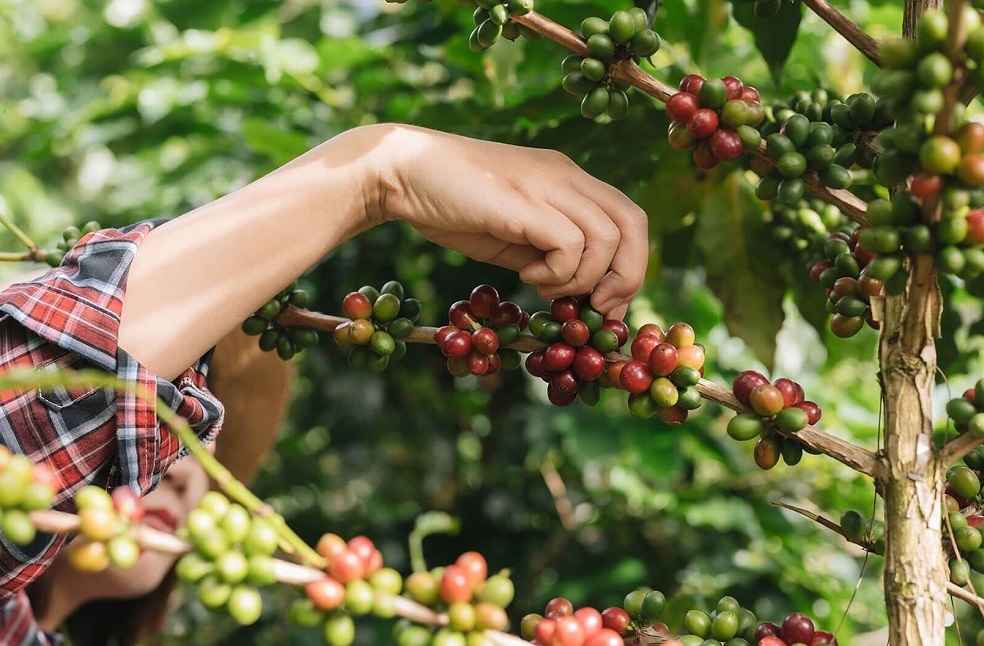
Kenya is striving to meet the requirements of the European Union Deforestation Regulation (EUDR), a policy mandating that all agricultural exports to the EU, including coffee, must be entirely free from deforestation links. The regulation, originally scheduled for 30th December 2024, has been postponed by a year, granting Kenya and other exporting countries until 30th December 2025 to achieve full compliance with the updated standards.
The regulation aims to block products linked to deforestation and forest degradation from being sold within the European Union.
Under the EUDR, businesses are required to demonstrate that commodities such as coffee, cocoa, soy, beef, palm oil, rubber, and wood were sourced from land that remained forested after 31st December 2020. These goods must be fully traceable to land free of deforestation and backed by credible proof of adherence.

The Kenyan government, through the Ministry of Agriculture and Livestock Development, has launched a large-scale geo-mapping initiative to identify all coffee-farming land. The effort is being spearheaded by the Agriculture and Food Authority (AFA), which oversees scheduled crops under the Crops Act of 2013.
Currently, satellite imagery has been used to map 32,688 hectares of coffee farms, representing 30% of Kenya’s total coffee-growing area, spread across 16 of the 33 coffee-producing counties. With the national coffee acreage totaling 109,384 hectares, the remaining farms will be mapped over the next two months by the EUDR Data Committee, a collaborative task force.
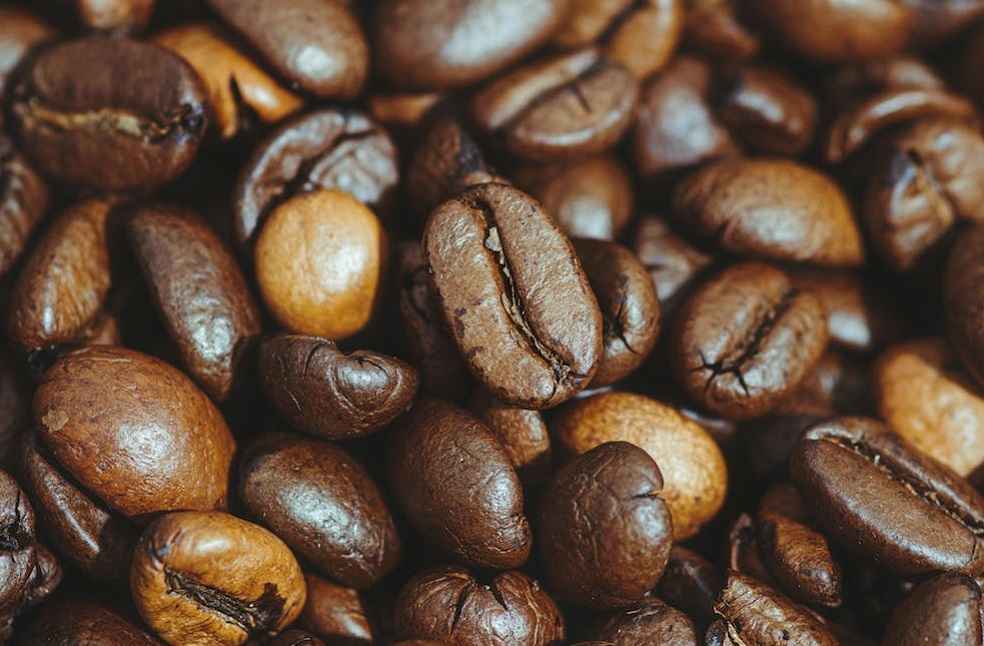
Kenya exports 95% of its coffee, with 55% shipped to the European Union, notably Belgium, Germany, Sweden, and Finland. Over the past five years, these exports have totaled 122,699 metric tons of clean coffee, generating $695.7 million in revenue. Around 70% of Kenya’s coffee is grown by smallholder farmers, who play a crucial role in supporting rural communities across 33 counties.
IMEX SECTOR | India-UK FTA Boosts Pharma Exports and CDMO Prospects

