


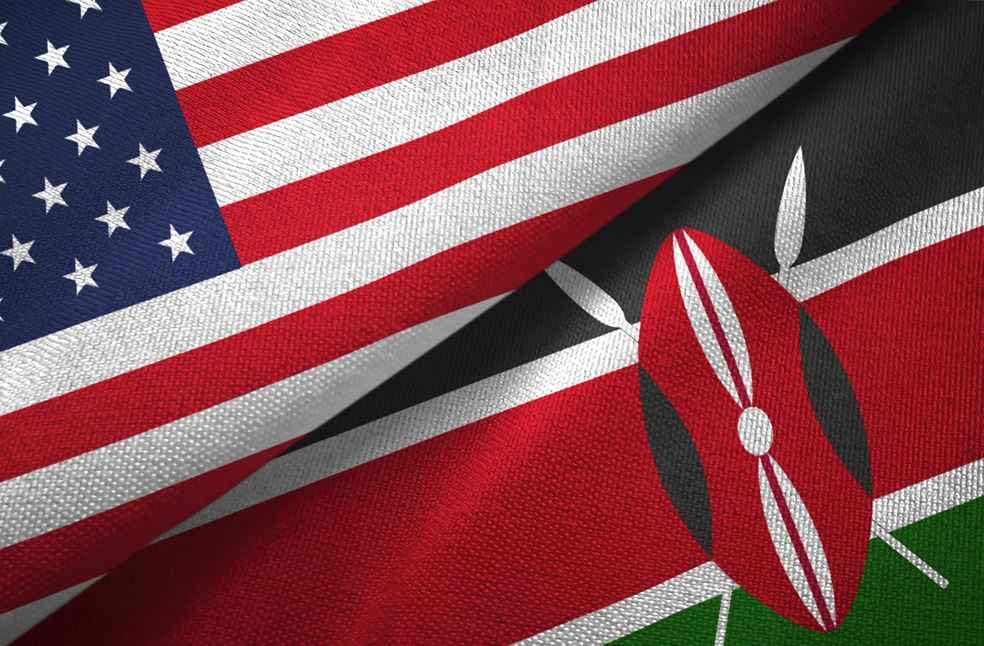
Kenya and the United States will resume bilateral trade negotiations next week in Washington, D.C., as Nairobi aims to secure enhanced market access and deepen economic ties with one of its key trading partners.
The discussions, set to take place from Monday to Thursday, come after negotiations that stalled in 2020 and are intended to build on progress achieved under successive U.S. administrations.
Kenya’s Trade Cabinet Secretary Lee Kinyanjui stated that the discussions will comprise a series of meetings designed to ‘firm up deliberations’ on a potential trade agreement aimed at deepening economic cooperation and reducing barriers for Kenyan exports to the U.S. market.
The United States remains a major destination for Kenyan goods, accounting for about $737 million—or roughly 10% of total exports in 2024—with key products including horticultural produce, coffee, tea, and apparel.
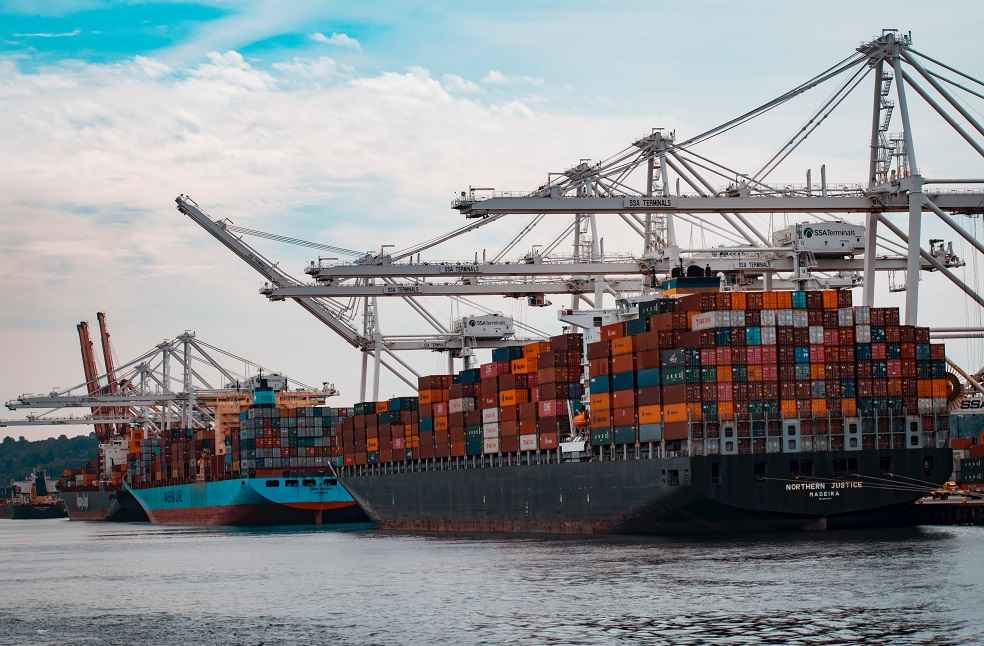
The resumption of negotiations comes as Kenya seeks more permanent trading arrangements beyond the terms of the African Growth and Opportunity Act (AGOA), a preferential trade program that grants duty-free access for selected African exports to the U.S., though its future remains uncertain.
In 2025, AGOA was extended for a limited period, though stakeholders have called for a long-term framework to sustain investment and export growth.
Economists note that non-tariff barriers—such as regulatory differences, documentation requirements, and compliance standards—continue to hinder Kenyan exporters despite AGOA’s tariff benefits, underscoring the potential value of a comprehensive bilateral deal to address these structural challenges.
Kenyan trade stakeholders emphasize that expanded market access, including the reduction of non-tariff barriers, is vital for sectors such as apparel, textiles, and manufacturing seeking growth in the U.S. market.

A comprehensive bilateral agreement could also help narrow Kenya’s widening trade deficit with the United States, as imports have grown faster than exports, resulting in a gap exceeding $140 million in 2025.
Analysts further noted that expanded access to the U.S. market could attract greater foreign direct investment into Kenya’s manufacturing and processing industries, supporting job creation and value-added production.
In Washington, Kenyan officials are expected to address not only tariffs but also regulatory cooperation, standards alignment, and investment facilitation—key pillars of bilateral trade.
If successful, the negotiations could mark a new phase in U.S.–Kenya trade relations, strengthening a mutually beneficial partnership and deeper economic integration.
TRADE WORLD | Japan’s Exports Surge to Highest Level in Over Three Years