


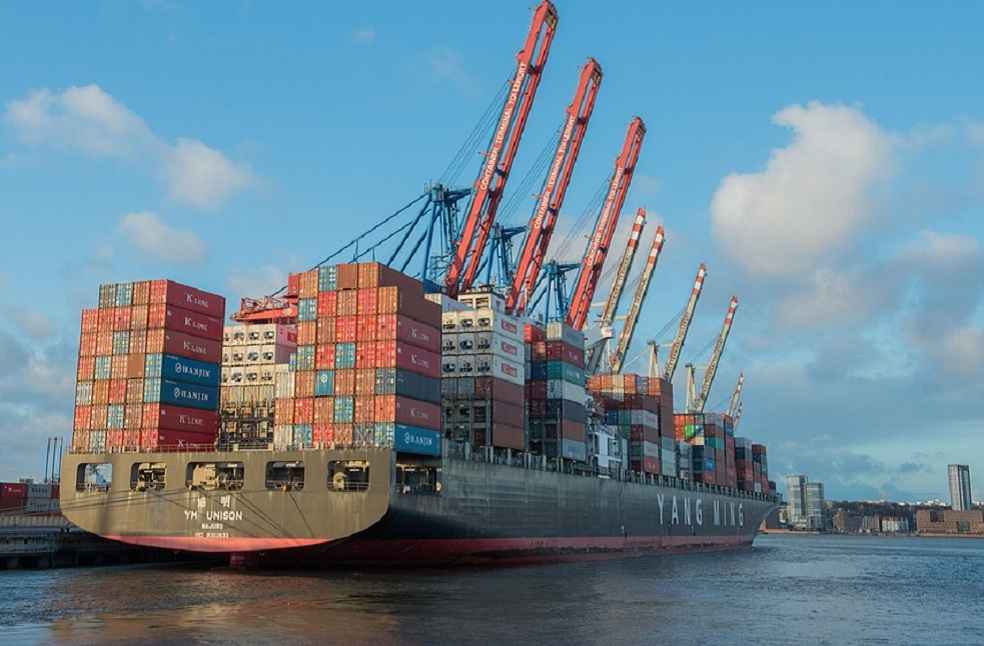
Japan’s exports surged in January to their highest level in more than three years, reflecting a significant rebound in demand.
According to data released by the Ministry of Finance on Wednesday, outbound shipments rose 16.8 percent year-on-year to 9.19 trillion yen, marking the fifth consecutive month of expansion and the sharpest increase since November 2022.
The result exceeded economists’ expectations of a 12% rise and represented a substantial increase compared with December’s 5.1% increase.
In contrast, imports fell 2.5% year-on-year to 10.34 trillion yen, contrary to expectations of a 3% rise. Consequently, Japan’s trade deficit narrowed to 1.15 trillion yen ($7.50 billion), significantly below economists’ projected shortfall of 2.14 trillion yen and well below the deficit recorded in the same period last year.
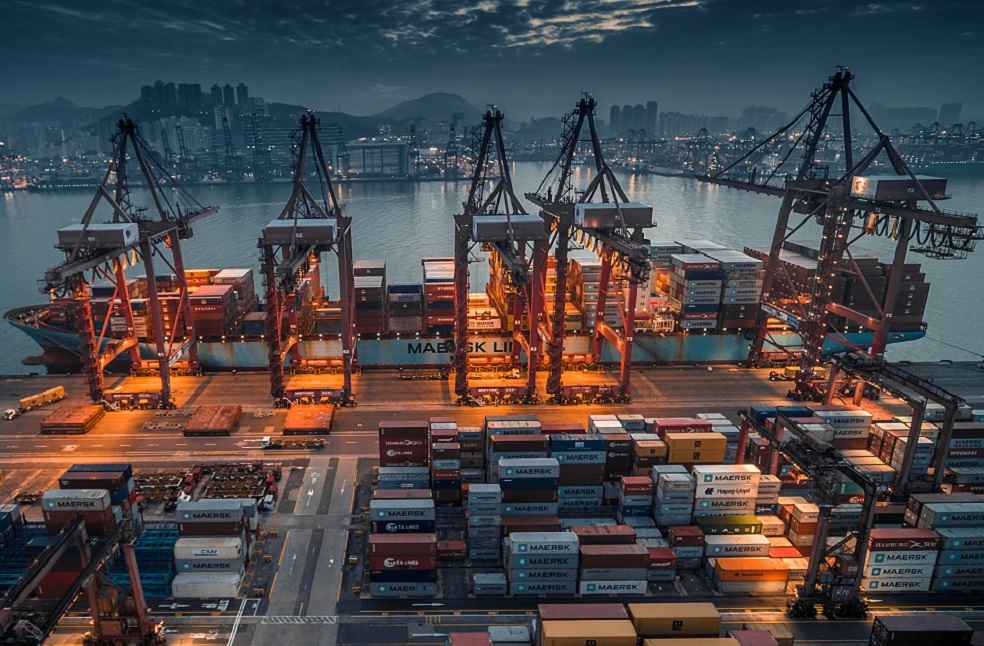
Exports to Asia surged 25.8% in January, led by a 32% increase in shipments to China, Japan’s largest trading partner. The growth occurred despite ongoing diplomatic tensions between Tokyo and Beijing following Prime Minister Sanae Takaichi’s comments on Taiwan.
Exports to Western Europe rose 29.6%, whereas shipments to North America fell 3.3%. Exports to the United States, Japan’s second-largest trading partner, declined 5%, following an 11.1% drop in December.
Food exports increased 31.3%, machinery shipments grew 14.3%, and electrical machinery—including semiconductors and chips—jumped 27.3%. Transport equipment, representing more than one-fifth of total exports, rose modestly by 0.8%.
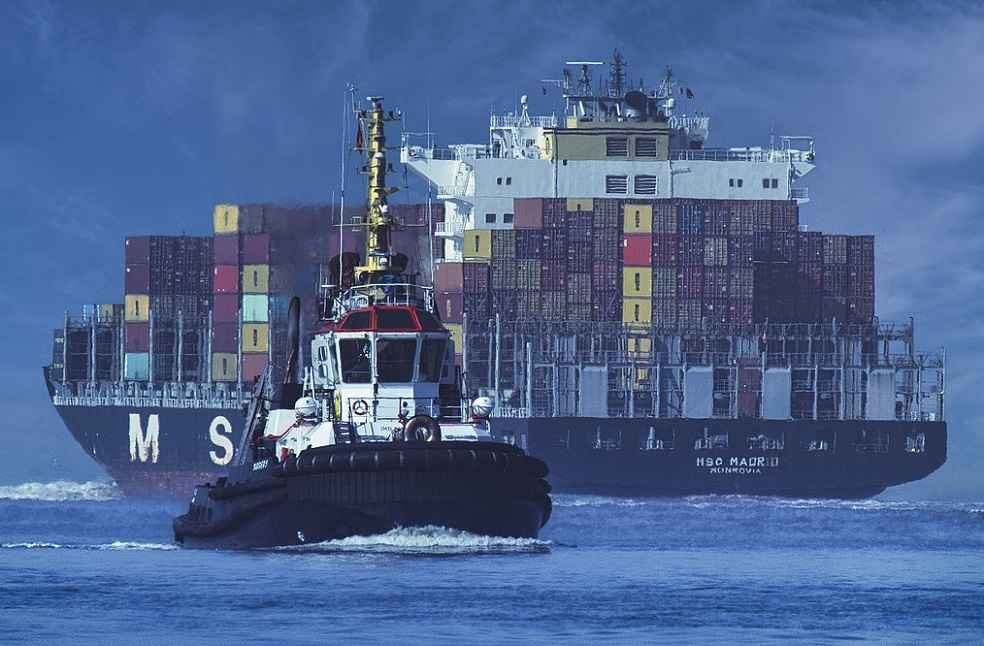
On the import side, mineral fuel purchases fell 14.1%, reflecting lower costs for liquefied natural gas, petroleum, and coal. The decline in energy imports outweighed increases in electrical machinery and manufactured goods, contributing to a reduction in the overall trade deficit.
The strong export performance provides welcome relief to policymakers after a subdued 2025, when annual export growth slowed to 3.1%, down from 6.2% in 2024.
Japan’s economy expanded only 0.1% year-on-year in the fourth quarter, with net exports reducing by 0.8%. For the full year 2025, GDP increased 1.1%, constrained by weak external demand.
Exports had slumped in mid-2025 amid uncertainty surrounding U.S. tariff policies but rebounded toward year-end after a trade agreement with Washington reduced duties to 15%.
IMEX SECTOR | U.S. Pork Export Gains Expanded Taiwan Market Access in New Deal