


Japan and South Korea on Monday voiced concerns that India’s regulatory measures were impacting their steel companies, even as both nations reaffirmed plans to expand investment.
The remarks came during an interactive session hosted by India’s Ministry of Steel ahead of the upcoming Bharat Steel 2026 event.
During the session, the country representatives stated that India’s quality control regulations, safeguard duties, and other import restrictions are limiting opportunities for their steel companies.
Japan’s Deputy Chief of Mission, Takashi Ariyoshi, noted that while Japanese companies are very active in India, they are encountering some ‘real’ challenges. He pointed to the difficulties with the Quality Control Order (QCO) for intermediate steel products, explaining that even though final products are already certified, the QCO requires additional certification for intermediate steel.
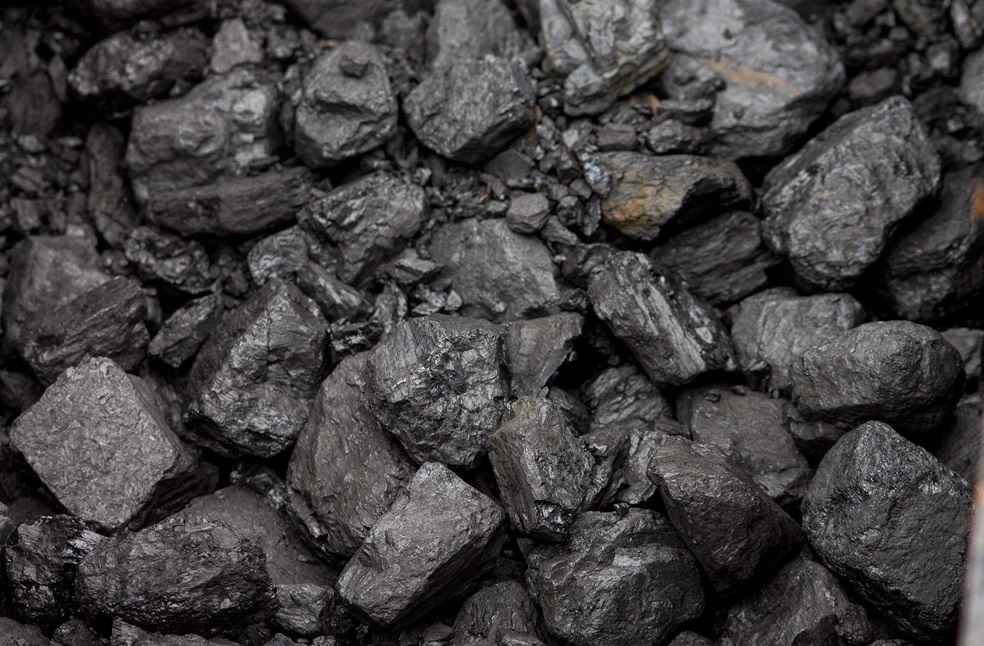
Ariyoshi also raised concerns about anti‑dumping duties imposed on coke exports to India. He emphasized that Japan exports coke not produced domestically in India, which does not impact India’s internal market, yet the anti-dumping measures are causing significant problems for the Japanese steel industry.
Meanwhile, South Korea’s representative highlighted similar regulatory challenges, noting that while Korean companies generally experience favorable business conditions in India, they occasionally face regulatory obstacles.
The concerns came even as both countries reaffirmed significant investment plans. Ariyoshi affirmed that Nippon Steel Corporation is expanding its Hazira plant in Gujarat with an investment of about ₹1.1 trillion and is planning a new steel plant in Uttar Pradesh.
He also mentioned that Japan’s JFE Steel Corporation holds a 15% stake in JSW Steel and is collaborating on a ₹16,000 crore integrated steel plant in Odisha, in addition to investing in grain-oriented electrical steel projects in Karnataka.
Indian officials clarified that India has already eased quality control restrictions. A senior official said that only shipments lacking sufficient traceability are being held for inspection, emphasizing that India’s regulations do not target any specific country.
India’s domestic steel production capacity is expected to receive a significant boost in the coming fiscal year, driven by higher capital expenditure (capex) from state-owned enterprises. Budget data indicate that capex by public sector steel companies will increase by nearly 44% in 2026‑27 to ₹25,125 crore. Leading the expansion are the Steel Authority of India Limited (SAIL) and the National Mineral Development Corporation (NMDC), with a 50% increase in capex funded through Internal and Extra Budgetary Resources (IEBR).
India’s current steel production capacity stands at 218 million tons per annum (mtpa), with an additional 18 mtpa expected this fiscal. The country aims to reach 300 mtpa of installed steel capacity by 2031.
BUSINESS GENERAL | German Footwear Industry Sales Grow 3.2% in 2025

