


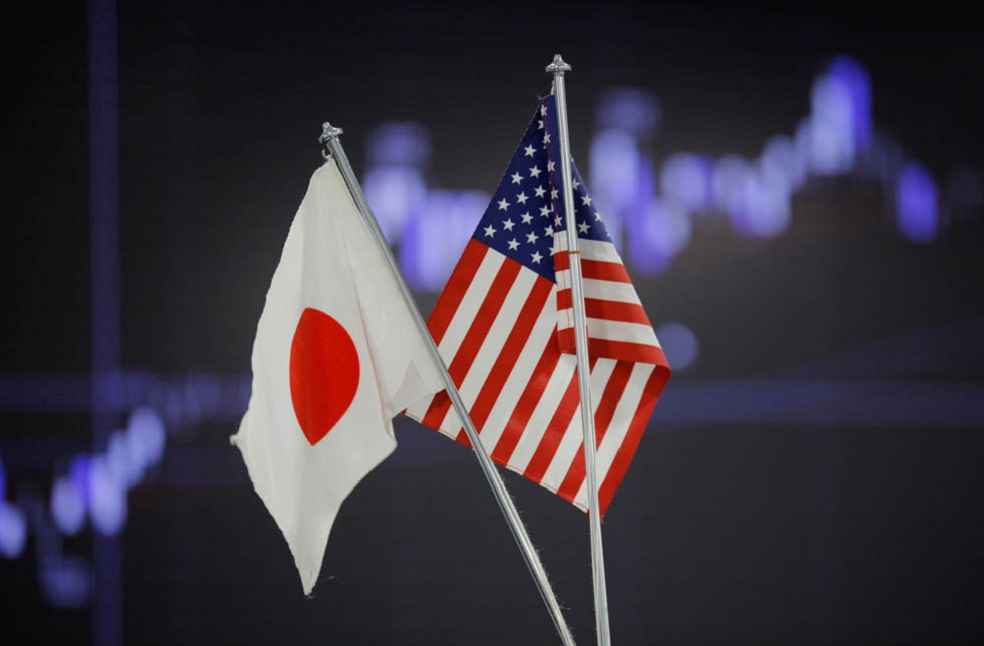
Japan urged Washington to ensure fair treatment under the recently announced tariff framework, emphasizing that Tokyo should not be disadvantaged compared with the terms secured in last year’s bilateral trade agreement.
The Japanese government on Tuesday indicated that it will closely examine the potential impact of U.S. President Donald Trump’s new tariffs, which could impose higher duties on certain products than those specified in the previous agreement.
Japan’s Economy, Trade and Industry Minister Ryosei Akazawa raised concerns with U.S. Commerce Secretary Howard Lutnick during a Monday phone call, reflecting Tokyo’s growing unease that previously negotiated concessions could be affected by Washington’s changing trade policies.
“Some items with 15% may be subject to additional tariff burdens,” Akazawa stated.

Akazawa urged the U.S. to ensure Japan is not disadvantaged under President Trump’s new tariffs. The two officials also reaffirmed their commitment to the implementation of the Japan-U.S. accord.
Under a deal concluded in July, the United States agreed to impose a 15% tariff on Japanese goods, including automobiles, in exchange for Tokyo’s commitment to invest $550 billion in the U.S. economy.
The concern arises from recent actions by Trump after the U.S. Supreme Court struck down his sweeping tariff policy on Friday. Trump then introduced a blanket 10% tariff under a different legal framework. By Monday, he had raised the rate to 15%, effectively aligning it with the level Japan had already negotiated in its trade agreement.
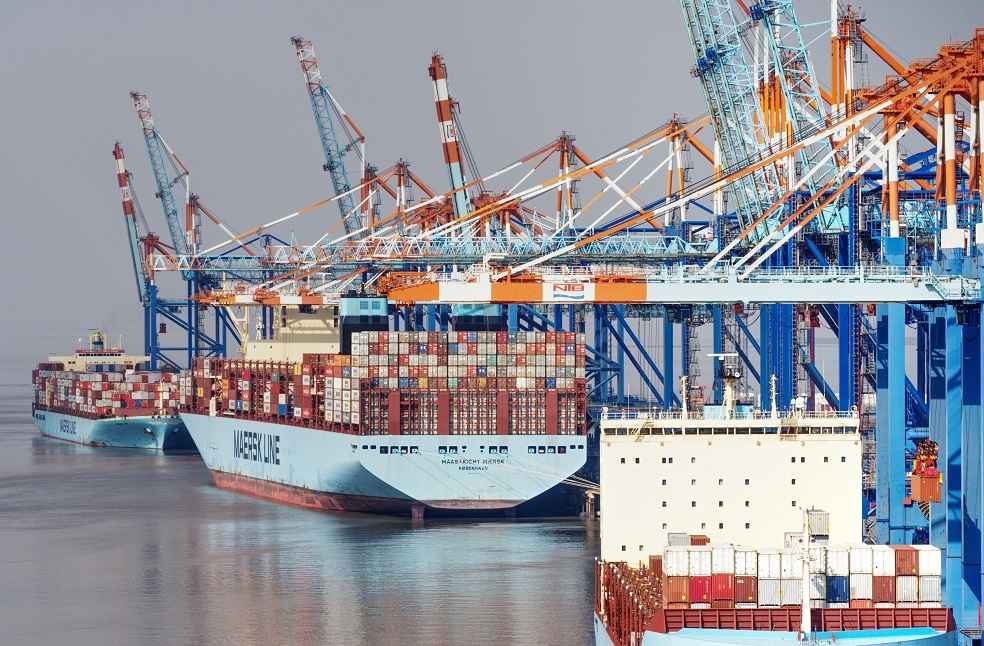
Minister Akazawa warned that Japan could face additional tariff liabilities if the higher rate is imposed unilaterally on top of existing commitments. One area of relief is Japanese agricultural exports—such as green tea and beef—which are expected to remain under current tariff levels and are not likely to see further increases under the new framework.
POLICY & LAW | China Broadens Export Restrictions, Targeting Japanese Firms