
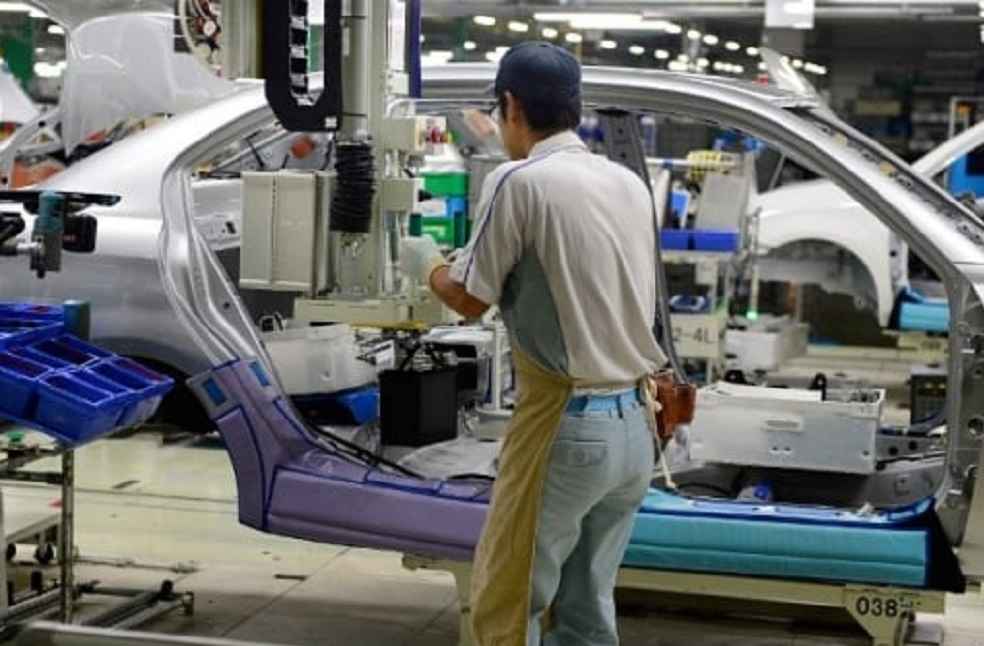
Japan is exploring new investment avenues in Pakistan’s automotive and information technology sectors as part of its strategy to diversify markets amid global trade risks. Officials in Tokyo underscored the need for regulatory clarity and targeted incentives to enable Japanese automakers to expand exports from Pakistan.
At a meeting in Tokyo, Special Assistant to the Prime Minister on Industries, Haroon Akhtar Khan, and Pakistan’s Ambassador to Japan, Abdul Hameed, held discussions with Matsuo Takehiko, Vice Minister for International Affairs at Japan’s Ministry of Economy, Trade, and Industry. The talks focused on strengthening bilateral industrial cooperation and deepening trade engagement.
Pakistan’s large and youthful population, along with its expanding consumer base, was highlighted as a key driver of future growth. More than 70 Japanese companies are already active in Pakistan, and officials stressed the role of Pakistan’s new industrial policy in further opening the economy. The policy aims to cut tariffs, simplify regulations, and boost exports, in line with the government’s target of 6–7% annual economic growth through trade-led initiatives.
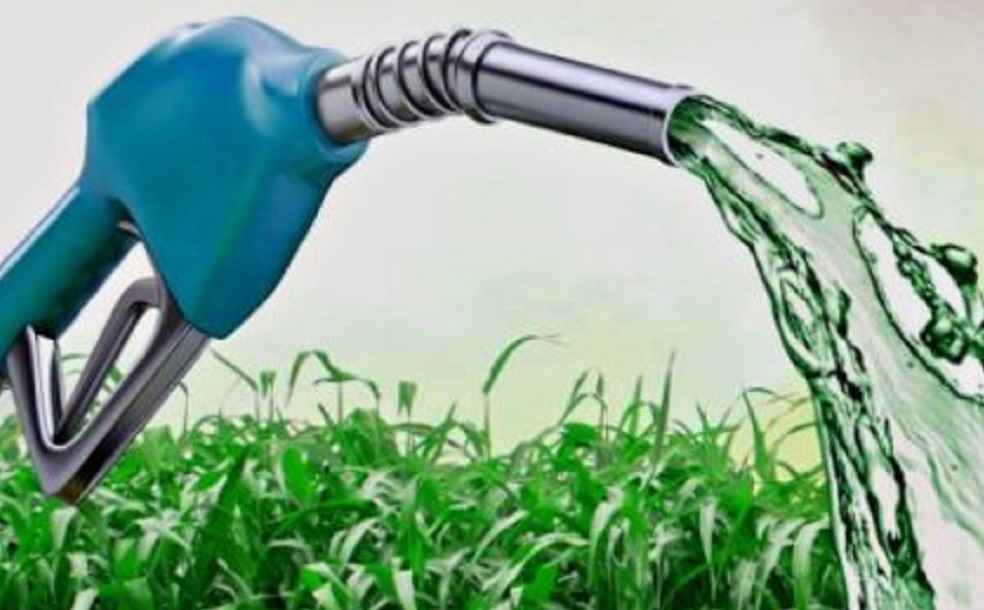
The meeting also addressed global auto industry trends, including Japan’s turn toward biofuels in emerging markets, spearheaded by Toyota and Suzuki. Both sides reviewed Pakistan’s Auto Industry Development Policy, which has shifted from punitive measures to incentive-based frameworks aimed at attracting foreign investment.

In May 2025, Japan’s exports to Pakistan recorded year-on-year growth, led by higher shipments of hot-rolled iron (¥1.19 billion, up 39.6%), delivery trucks (¥782 million, up 308%), and motor vehicle parts and accessories (¥758 million, up 79.2%). In contrast, Japan’s imports from Pakistan declined during the same month, largely due to reduced purchases of soapstone (down ¥86.8 million or 58.1%), non-retail pure cotton yarn (down ¥88.6 million or 27.2%), and house linens (down ¥89 million or 76.3%).
Discussions further explored investment prospects in Pakistan’s automotive and textile industries, with emphasis on regulatory standards and biofuel development to support the sector’s expansion and enhance Japanese participation in Pakistan’s trade landscape.
TEXTILE & APPAREL | Bangladesh Tops U.S. T-Shirt Exports for First Time