


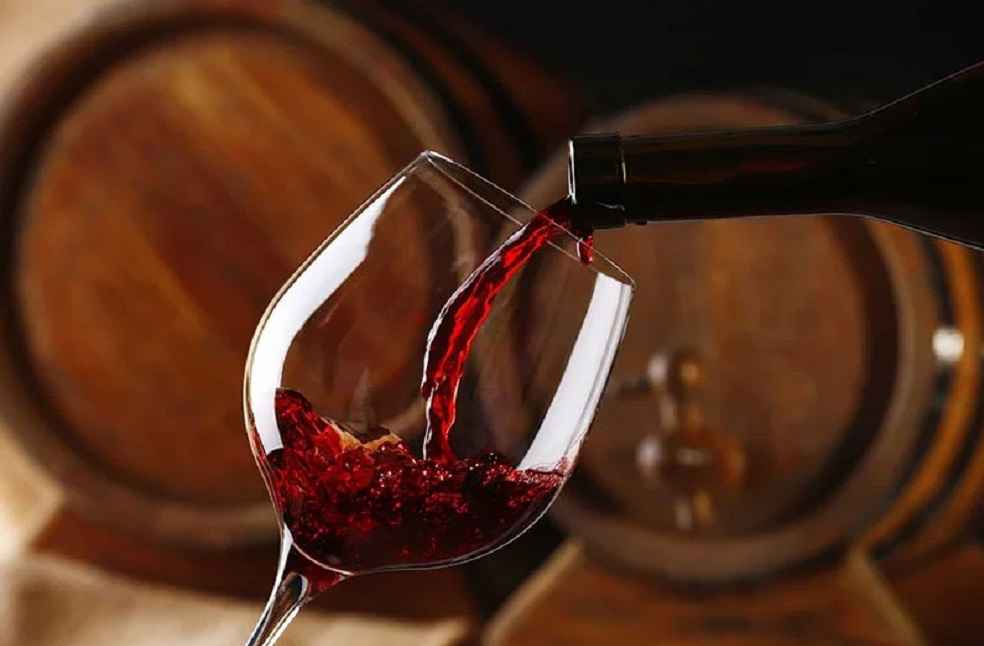
Italy’s wine sector is pressing the government to back the EU-Mercosur free trade agreement, warning that delaying ratification would mean losing access to a major growth opportunity. The push comes just days after France stated its opposition to the deal, raising the risk of a political block at the EU level.
The agreement between the European Union and Mercosur states Brazil, Argentina, Uruguay, and Paraguay has been in negotiation for years and would create one of the world’s largest free trade areas. It is designed to phase out tariffs, ease non-tariff barriers, and increase market access for European exporters.
In a letter dated December 17, 2025, Lamberto Frescobaldi, president of the Unione Italiana Vini, urged Prime Minister Giorgia Meloni and cabinet ministers Antonio Tajani and Francesco Lollobrigida to proceed with the pact, calling it strategic for the sector.
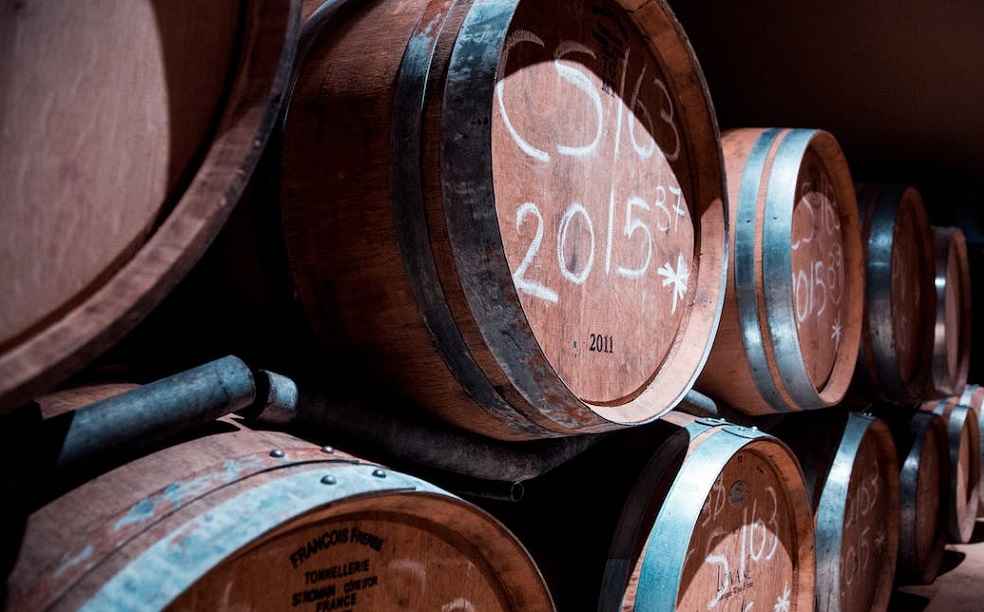
He argued that the deal would give Italian producers access to a consumer base of more than 250 million people, diversify export destinations, and protect geographical indications that are central to brand identity.
Italian wine exports are heavily concentrated, with about 60% going to only five countries, making producers vulnerable to economic or geopolitical shocks in those markets. The EU-Mercosur agreement foresees the gradual liberalization of 90% of industrial imports and 93% of agricultural imports over ten years.
Wine imports face duties of up to 27% for still wines and 35% for sparkling wines in markets such as Brazil. Removing these tariffs would improve competitiveness for Italian exporters.
Many European farming groups oppose the agreement, citing fears of competition from South American agricultural products subject to different regulatory standards.

The wine sector, however, argues that the agreement supports European interests because it includes protections for geographical indications and opens new export channels at a time when some traditional markets are weakening or becoming less predictable.
The Italian wine industry sees South America as a natural expansion market due to cultural ties and long-term consumption potential. Industry leaders say Italy should intensify diplomatic efforts to secure a balanced agreement and ensure ratification proceeds within a realistic timeline, enabling producers to secure early-mover advantages.
The French stance has raised doubts about the agreement’s future. If ratification stalls, Italy risks missing a chance to broaden its export base and reduce dependence on current key markets.
The coming months will be critical in determining whether Europe and Mercosur proceed toward full implementation of the trade pact and whether Italian winemakers gain access to a vast new consumer market.
ORGANIZATIONS NEWS | U.S. Says WTO No Longer Effective for Resolving Trade Disputes