


Iran has recorded a trade deficit of $7 billion in the first half of the Persian year 1403 (March–September 2024), marking the worst six-month trade balance in recent memory, according to a new report from the Iranian Parliament Research Center. The report shows a deepening economic crisis fuelled by international sanctions and internal mismanagement.
During the reported period, Iran’s imports totalled $33 billion, while exports lagged at just $26 billion. This growing imbalance reflects a trend that began in 2021 and has continued unchecked, reversing a decade-long period of relatively stable or surplus trade balances between 2011 and 2018.

The shift coincides with the reimposition of U.S. sanctions following former President Donald Trump’s 2018 withdrawal from the Joint Comprehensive Plan of Action (JCPOA). The sanctions regime, renewed during Trump’s second term beginning in January 2025, has severely limited Iran’s access to global markets. Although new negotiations are reportedly ongoing, the economic impact remains severe.
One key factor exacerbating the deficit is the rising cost of imports against weakening export revenues. Iran is now spending significantly more on goods brought into the country than it earns from those it exports. The report attributes this to both the restrictive external environment and inefficiencies in domestic production and trade practices.
The research also highlights Iran’s growing dependence on a narrow group of trade partners. Over 60% of Iran’s foreign trade is now concentrated with just three countries, China, the United Arab Emirates, and Türkiye, more than double the share recorded in 2003. This dependency increases Iran’s vulnerability to shifts in regional and global politics and economics.
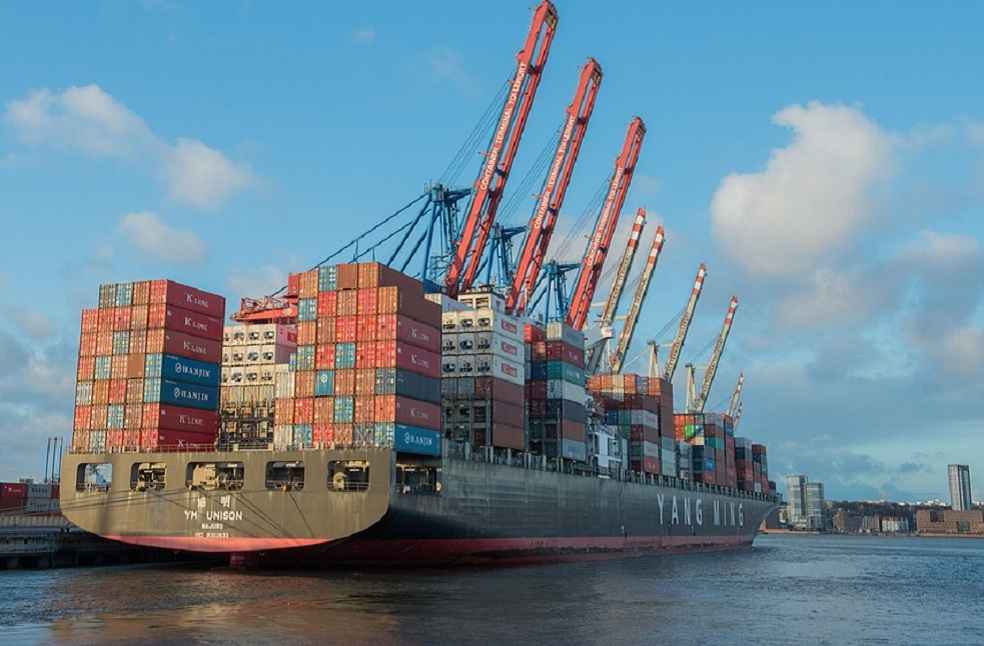
Iran’s top exports in the first half of 2024 included natural gas, petrochemical products, and steel, while agricultural goods and construction materials contributed modestly. In contrast, imports were led by gold, corn, and mobile phones. Notably, gold imports surged to over $3 billion, up dramatically from $466 million in the same period last year, raising alarms over potential capital flight and foreign currency depletion.
The report also draws attention to the growing scale of fuel smuggling, which it labels as a ‘shadow export.’ Iran’s fixed domestic fuel prices, combined with a rising exchange rate, have made smuggling highly lucrative. Fuel smuggling, estimated at just $500 million in 2016, ballooned to approximately $11 billion by 2022, reflecting major revenue losses and economic leakage.
TRADE WORLD | Negotiations on Tariff Policies to Start Between U.S. and Thailand
