


Indonesia is easing import restrictions on 10 categories of goods as part of the initial phase of regulatory reform, aimed at strengthening domestic industries and accelerating economic growth.
Trade Minister Budi Santoso, speaking at a press conference in Jakarta on Monday, said the move is part of a wider reform package designed to simplify bureaucracy, cut costs, and improve competitiveness. “We are relaxing import procedures for ten types of products to streamline licensing and facilitate business operations,” he stated.
Affected Product Categories
The relaxed import measures apply to:
- Forestry products (e.g., industrial wood and raw materials)
- Subsidized fertilizers
- Fuel and energy materials
- Plastic raw materials
- Select chemical substances
- Pearls
- Food trays for school meal programs
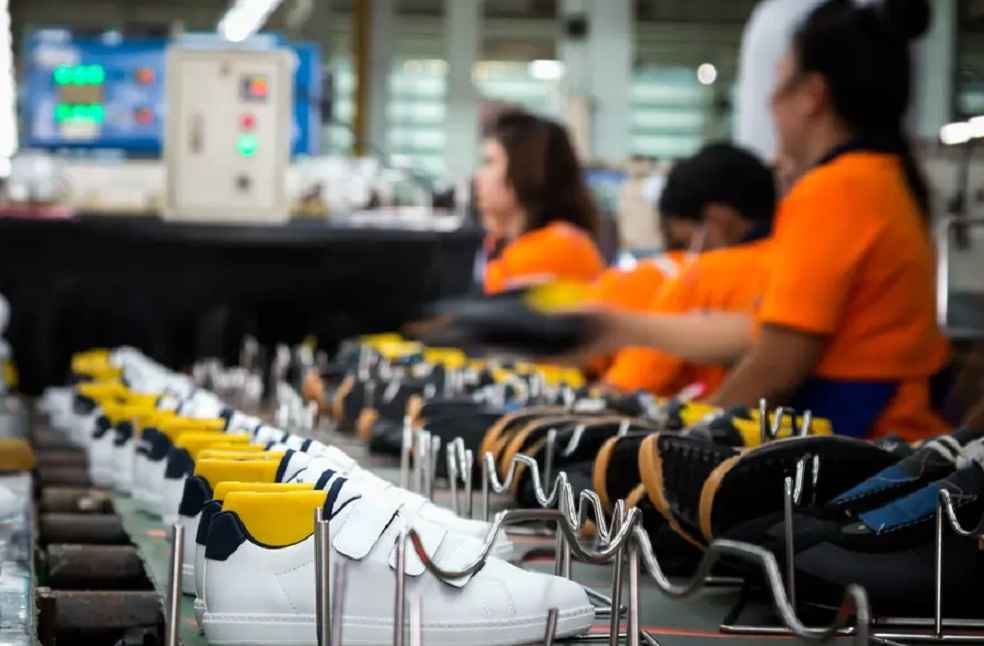
- Footwear, especially athletic shoes, is not made domestically
- Bicycles
- Food additives such as saccharin, cyclamate, and alcohol-based flavoring
Minister Budi highlighted that easing restrictions on forestry products is intended to reduce pressure on Indonesia’s natural forests by offering legal, sustainable alternatives for industrial use.
For subsidized fertilizers, the reforms aim to support the country’s food security and self-sufficiency programs by streamlining supply chain processes. The deregulation of fuel and energy inputs is also expected to make energy more accessible and competitively priced for domestic industries.
The chemical industry, considered now robust enough to compete globally, will benefit from the removal of certain import restrictions. Similarly, pearl imports have been eased to support local manufacturers involved in export-oriented jewelry and related sectors.
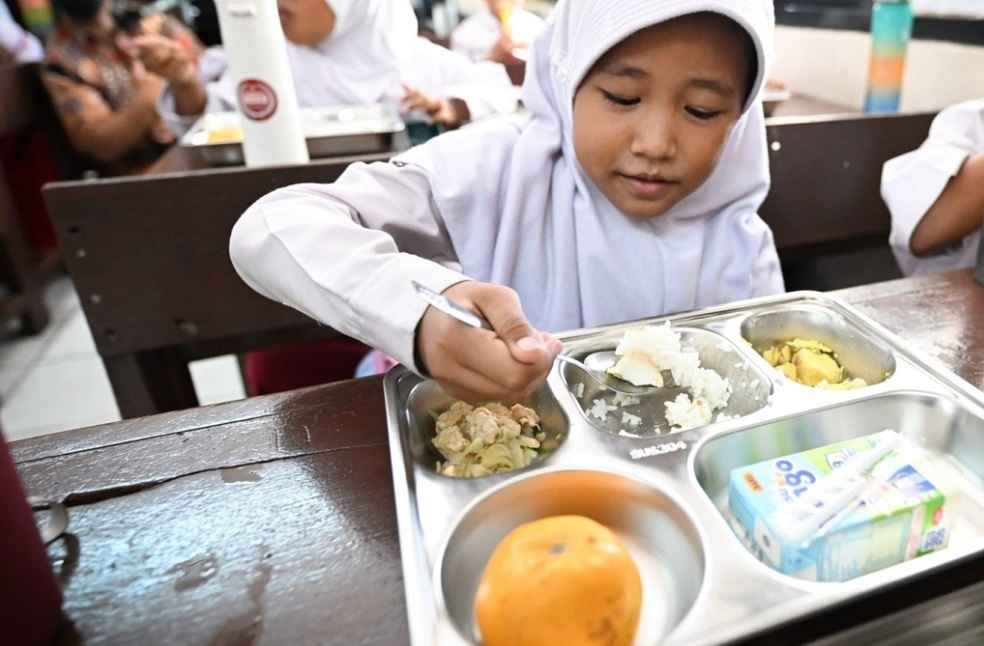
The import of food trays has been relaxed to address supply shortages affecting Indonesia’s Free Nutritious Meal Program for schoolchildren.
In the consumer goods sector, deregulation of bicycle and footwear imports is expected to meet market demand, particularly for products not widely manufactured in Indonesia.
The government clarified that tight controls will remain in place for textiles and apparel, including garments and accessories. These items will continue to be regulated under revised Trade Ministry guidelines to protect the domestic textile industry from import surges.
IMEX SECTOR | Zimbabwe Lifts Excise Duty on Raw Wine Imports to Aid Wineries
