



India’s cross-border ecommerce ecosystem is set for further easing, with the government exploring policy changes aimed at helping micro, small, and medium enterprises expand overseas sales through digital channels.
Officials said the upcoming Union Budget could include measures to simplify cross-border ecommerce, particularly for MSMEs. Among the proposals under discussion are relaxations in rules governing the return of exported goods and an increase in the value limit for e-commerce exports through courier channels.
The current cap of ₹10 lakh per consignment may be raised to align with the ₹25 lakh ceiling permitted by the Reserve Bank of India for cross-border payment aggregators.
Government sources indicated that the focus of the proposed changes is likely to be MSME-driven e-commerce, as small businesses, artisans, and first-time exporters continue to face high costs and complex compliance requirements.
Officials said easing regulations is critical as India develops dedicated e-commerce export hubs designed to facilitate smoother cross-border trade.
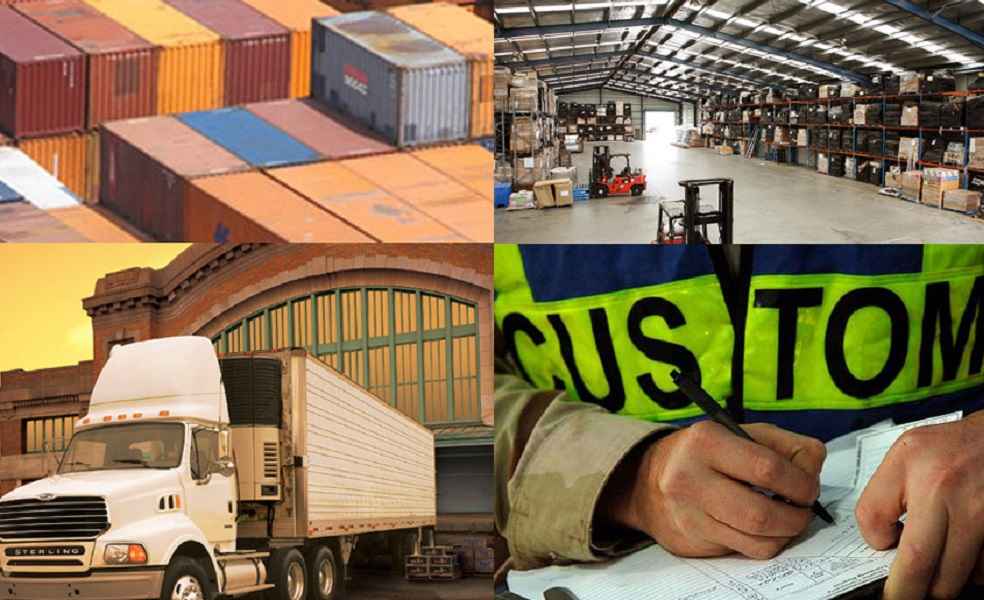
These hubs are expected to offer integrated warehousing and logistics support, including customs clearance, storage, returns processing, labelling, testing, and repackaging.
A key objective is to reduce the time and cost involved in logistics while streamlining regulatory processes, particularly for returns and rejected shipments.
Clarity around reverse logistics has emerged as a major concern for exporters. Reverse logistics covers the handling of returned or rejected consignments, including re-imports and disposal. Industry representatives have long sought clear guidelines to recognize returned e-commerce exports as re-imports of returned goods.
In the absence of standard operating procedures, exporters, many of them MSMEs, often face delays and additional duties unless customs authorities certify that the re-imported product is identical to the exported item.
Officials acknowledged the issue, saying the government is examining ways to simplify the process and avoid placing an undue burden on MSMEs when handling returns.

India’s key e-commerce export categories include fashion and apparel, gems and jewellery, home and living products, organic wellness and beauty items, and handcrafted lifestyle goods.
Cross-border e-commerce has been identified as an important contributor to India’s ambition of achieving $1 trillion in merchandise exports by 2030, which requires annual growth of more than 12%.
Currently, e-commerce exports routed through postal and courier channels are estimated at around $1.5 billion a year, while global cross-border e-commerce is projected to reach up to $2 trillion by 2030.
The Foreign Trade Policy 2023 already sets out a framework to promote e-commerce exports by artisans, weavers, craftsmen, and MSMEs.
Measures under the policy include raising the courier export limit to ₹10 lakh per consignment, extending duty drawback and remission benefits to courier exports, establishing more than 1,000 post office export centers, and easing compliance requirements under export data systems.
BANKING & FINANCE | World Bank Urges Developing Nations to Shape Trade Rules