


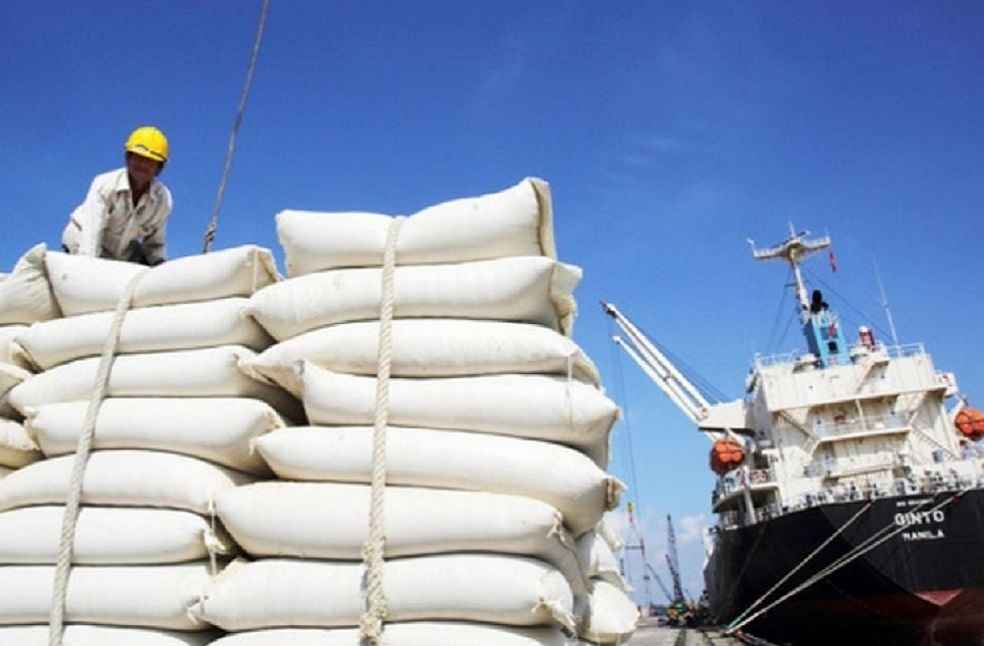
The Indian Rice Exporters’ Federation (IREF) has urged the government to issue an official advisory recognizing the ongoing logistics disruptions linked to the Iran crisis as a force majeure or exceptional circumstance.
In its submission to the Agricultural and Processed Food Products Export Development Authority (APEDA), the Federation highlighted severe operational challenges, including the shortage of containers, suspension of vessel services to the Middle East, and rising freight costs. IREF stressed that immediate government intervention is needed to mitigate the adverse impact of these disruptions on India’s rice trade.
Such a measure would help exporters manage contractual obligations and prevent undue pressure from buyers, including forced price reductions, penalties, or unilateral cancellations.
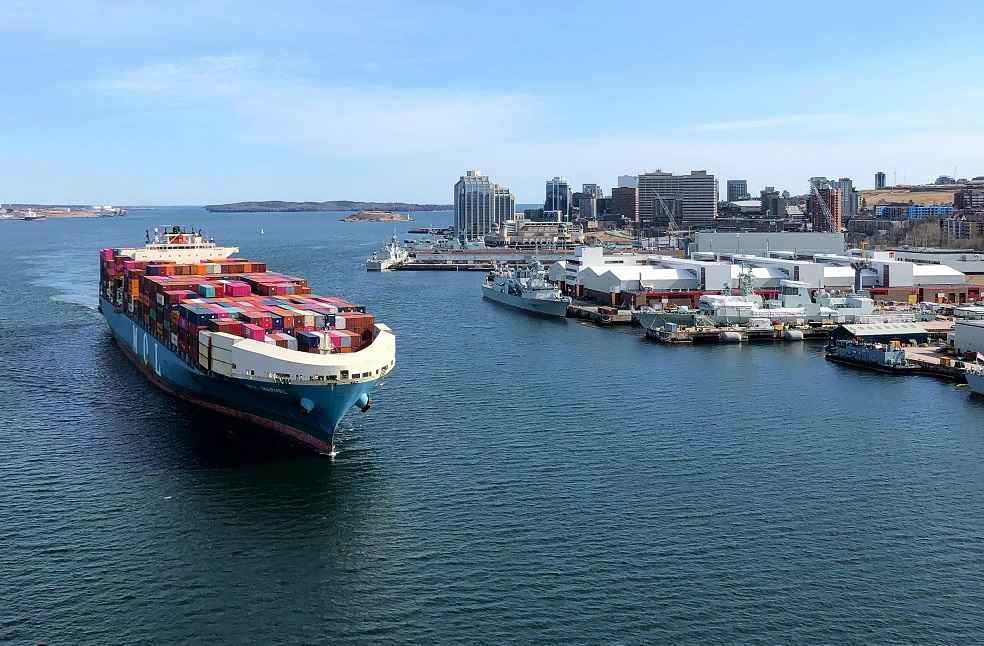
International freight charges have surged by an estimated 15–20%, accompanied by steep increases in war-risk surcharges and insurance premiums for shipments to the Gulf. Rising bunker fuel expenses have added further strain, with marine fuel oil climbing to about $580 per ton from nearly $520.
These disruptions have also impacted domestic markets, with basmati rice prices declining by roughly 7–10% over the past three days, further exacerbating working-capital pressures for exporters.
Among the primary measures requested are waivers of port-related charges, including storage and demurrage, in situations where cargo is delayed due to vessel cancellations or steep freight increases beyond the exporters’ control.

The Federation has also sought support to enable in-transit cargo to be returned, redirected, or diverted, with assistance from customs authorities and the Reserve Bank of India for necessary documentation and payment adjustments.
In addition, the Federation has appealed for temporary banking relief measures, including the provision of ad hoc working-capital limits and extensions of credit facilities.
LEADERS SPOT | IMF Warns Middle East War May Test Global Economy