



The recent Free Trade Agreement (FTA) between India and the United Kingdom has been hailed as a major boost for India’s pharmaceutical industry. Signed in the presence of Prime Minister Narendra Modi and UK Prime Minister Keir Starmer, the deal, officially termed the Comprehensive Economic and Trade Agreement, aims to more than double bilateral trade from $56 billion to $120 billion by 2030.
Pharma industry stakeholders, including the Pharmaceuticals Export Promotion Council of India (Pharmexcil), have welcomed the FTA’s provisions that favour drug manufacturers, especially in the areas of cost efficiency and global expansion. Pharmexcil Chairman Namit Joshi highlighted the agreement’s potential to bolster bulk drug exports and enhance Contract Development and Manufacturing Organization (CDMO) services.
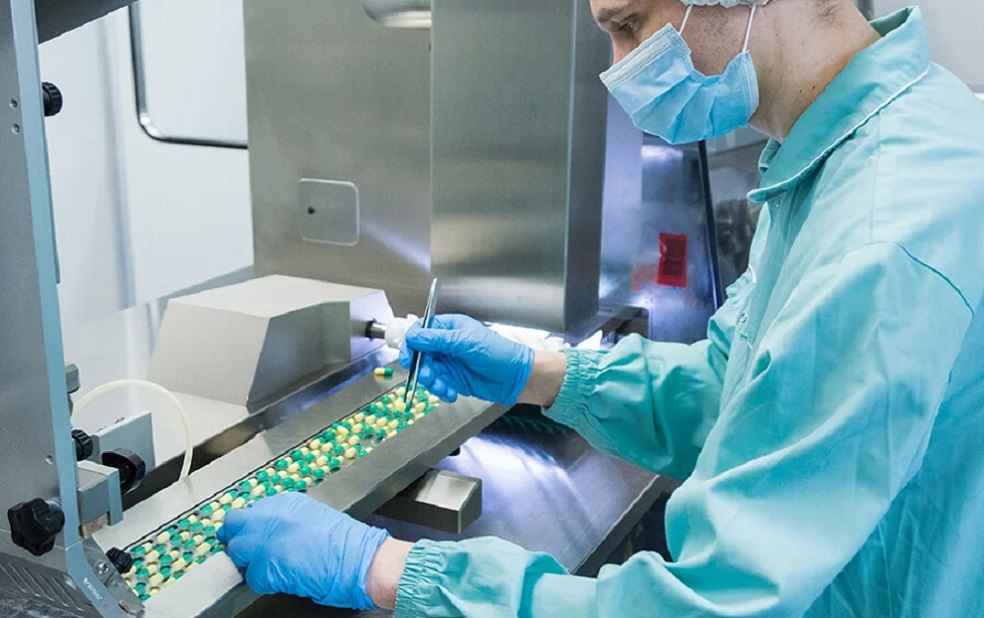
One of the key features of the deal is the ‘zero import duty’ clause on Active Pharmaceutical Ingredients (APIs), bulk drugs, and finished formulations, components critical to India’s pharma supply chain. Indian generic drugmakers, known for operating under tight margins, are expected to gain from the reduced input costs.
According to the Ministry of Commerce and Industry, 99% of Indian goods, including pharmaceutical products, will now have zero-duty access to the UK market. In FY24, India exported around $914 million worth of APIs and formulations to the UK. With tariffs eliminated, this number is projected to rise sharply, especially in complex generics, biosimilars, and specialty drug categories.
The agreement is also expected to foster collaborative research and create new avenues for Indian CDMOs in global clinical and commercial drug development. Previously, Indian pharmaceutical exports to the UK were subject to duties ranging from 5% to 10%, while APIs faced a 6% tariff. These have now been addressed under the updated UK Global Tariff (UKGT) framework to reflect the new FTA terms.

Given that the UK’s pharmaceutical supply chain operates under the centralized procurement model of the National Health Service (NHS), Indian drugmakers may find greater opportunities to supply cost-effective generics and biosimilars at scale.
The FTA is not yet complete. Intellectual property (IP) provisions remain under negotiation, a contentious issue in past trade talks. While the UK has called for stronger IP protections, Indian stakeholders and public health advocates have expressed concerns about affordability and equitable access. The final terms on IP could significantly shape future collaboration and drug pricing in both countries.
TRADE WORLD | CETA to Boost India’s Leather and Footwear Exports to the UK
