


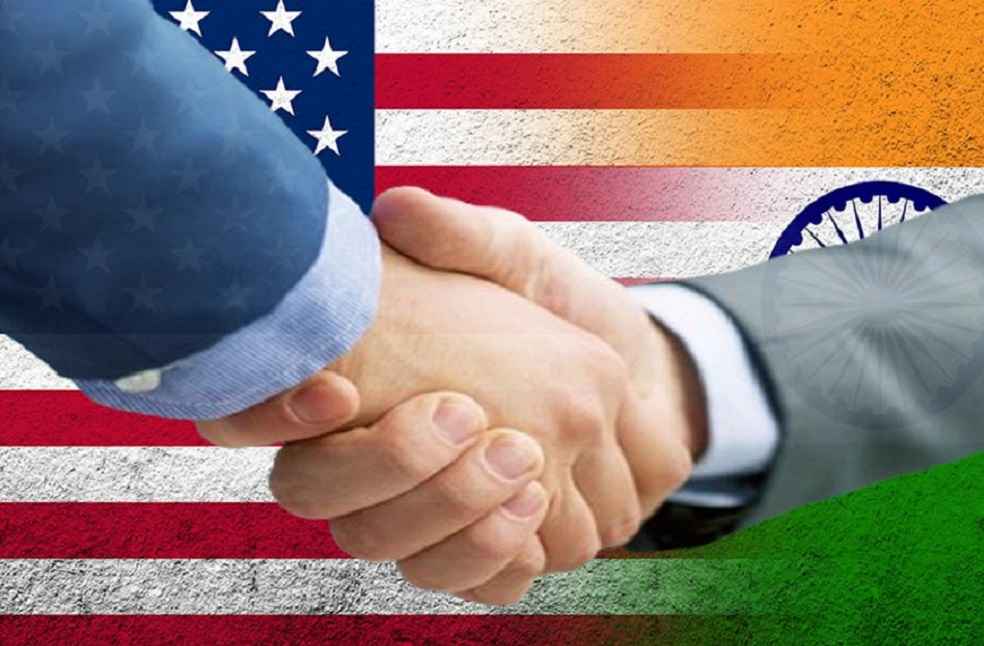
India is stepping up efforts to secure new trade deals to protect exporters and reduce dependence on the United States, as talks with Washington remain stalled and steep U.S. tariffs continue to weigh on key industries.
Relations between the two countries deteriorated in August after President Donald Trump raised tariffs on Indian goods to 50%, a move that threatens jobs and undermines India’s long-term goal of becoming a global manufacturing and export hub. The tariffs were aimed at pressuring India to cut purchases of Russian oil, which Washington says helps finance Moscow’s war in Ukraine.
Trade experts say the tariff shock has accelerated India’s push to diversify export destinations rather than rely heavily on its largest market.
Over the past year, India signed or operationalized four trade agreements, including a major pact with the United Kingdom, marking its fastest pace of dealmaking in several years. The government is now pursuing additional agreements to widen market access for Indian goods.
Negotiations are underway with the European Union, the Eurasian Economic Union, Mexico, Chile, and the Mercosur bloc in South America, either for new agreements or for expanding existing ones.
Ajay Srivastava of the Global Trade Research Initiative said that if these talks succeed, India would have trade arrangements with almost every major global economy. He described 2025 as one of the most active years for trade negotiations, driven largely by the need to spread economic risk rather than to turn away from the U.S. entirely.
Trade economist Biswajit Dhar said the strategy was a direct response to the tariff measures imposed by Washington. He said expanding export destinations has now become essential for India, especially for labor-intensive sectors that have been hit hard by trade barriers.
Industry groups say recent agreements could deliver meaningful gains. India’s Apparel Export Promotion Council estimates that the UK deal could help double garment exports to Britain within three years. Officials and analysts believe a future agreement with the EU could have an even larger impact.
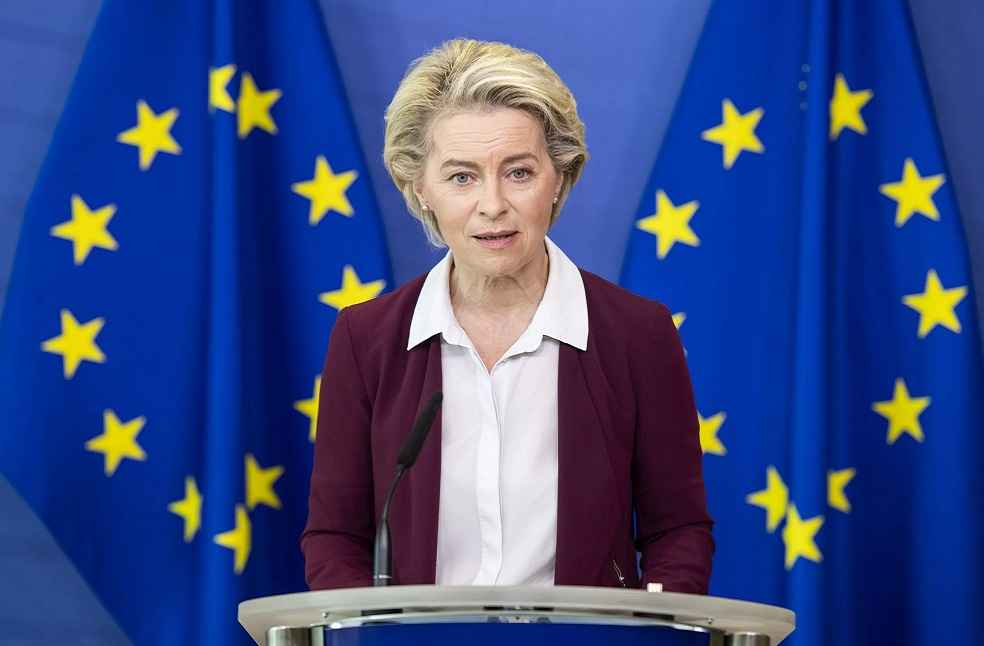
European Commission President Ursula von der Leyen, who is expected to visit New Delhi later this month, has described the proposed EU-India agreement as potentially the largest of its kind in the world.
Although both sides missed an earlier target to conclude talks by the end of 2025, reportedly due to disagreements over steel and automobile exports, Indian negotiators remain confident that progress can be made.
Germany is also seeking closer trade ties with India. German Chancellor Friedrich Merz is scheduled to meet Prime Minister Narendra Modi on Monday, with talks expected to focus on strengthening cooperation in trade and investment, according to a statement from Modi’s office.
India is also looking beyond Western markets. Trade with Oman stood at under 11 billion U.S. dollars last financial year, but a deal signed in December with Muscat is seen as a gateway to wider Middle Eastern and African markets. Analysts at Nomura said the agreement could serve as a model for a broader Gulf-focused trade strategy.
Not all agreements are aimed purely at boosting exports. A free trade deal with New Zealand resulted in limited growth in Indian exports, but helped attract around 20 billion U.S. dollars in foreign investment and expanded visa access.
It also signaled to Washington that India is willing to make compromises. An Indian commerce ministry official said the agreement included concessions on agricultural imports such as apples, even though such moves can face domestic resistance from farmers.
Recent export data suggests diversification is already having an effect. India’s goods exports rose by 19% in November 2025, reversing a decline recorded in October. Electronics shipments, which remain exempt from U.S. tariffs, contributed significantly to the increase, while marine product exports also posted gains.
KN Raghavan of the Seafood Exporter Association of India said exports to the European Union and China have grown and now rank as the top destinations after the United States. He said diversification is clearly underway, but warned that alternative markets cannot fully replace the scale and value of U.S. demand.
Despite expanding trade ties elsewhere, exporters and analysts agree that restoring stable access to the U.S. market remains critical. Raghavan said securing a deal with Washington is still essential for India’s long-term export growth, even as the country works to reduce vulnerability to future trade shocks.
DON’T MISS IT | Irish Farmers Protest EU–Mercosur Trade Deal in Athlone