


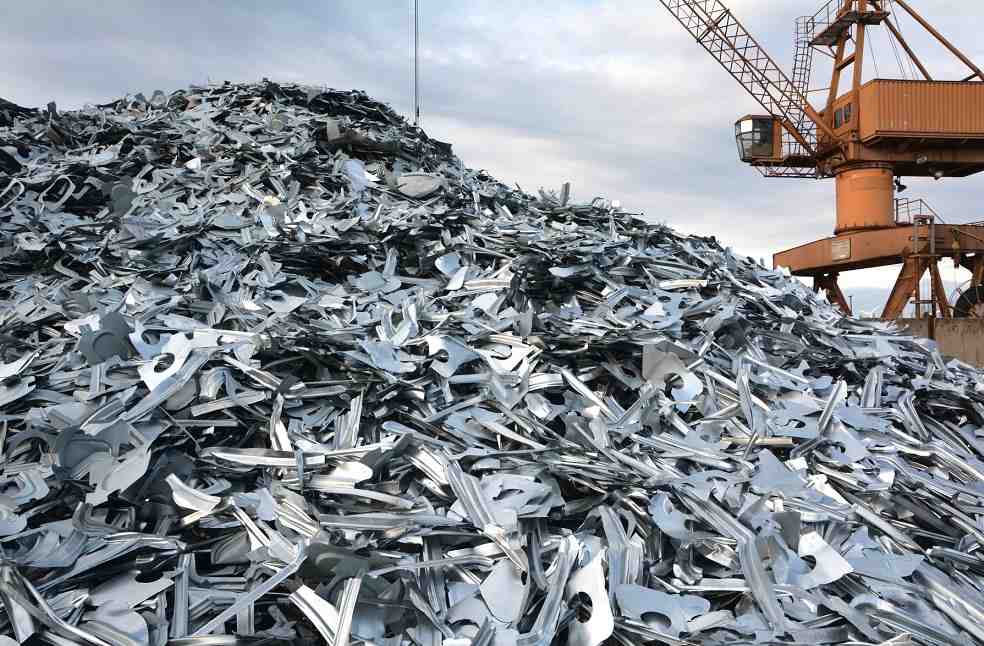
India is seeking easier access to steel scrap from the European Union as part of negotiations under the proposed India–EU free trade agreement, aiming to soften the impact of the EU’s new carbon-linked import levy that took effect on January 1, according to people familiar with the discussions.
Indian negotiators have raised concerns that the European Union’s Carbon Border Adjustment Mechanism (CBAM), combined with the bloc’s recycling policies, is effectively creating a non-tariff barrier.
While CBAM imposes additional costs on imports produced with higher carbon emissions, the EU’s recycling framework also limits the export of metal scrap in order to support domestic decarbonization and circular economy goals. Indian manufacturers argue that this dual impact restricts access to a critical raw material needed to reduce emissions and comply with the new regime.
The EU is the world’s largest producer of steel scrap, which is a key input for low-carbon steelmaking. Emissions are highest in blast furnace-basic oxygen furnace routes, lower in gas-based direct reduced iron processes, and lowest in scrap-based electric arc furnace production. Indian steel producers largely rely on blast furnace technology and are currently less prepared to meet the carbon benchmarks imposed by CBAM.
The Engineering Export Promotion Council (EEPC) had flagged the issue during a Board of Trade meeting under the Union Commerce Ministry in November last year. It noted that CBAM requirements would push Indian producers toward arc furnace technology and increased scrap usage, but sourcing scrap from the EU remains difficult because of the bloc’s recycling policy, effectively acting as a trade barrier.
The government has outlined plans to expand steel production using scrap and arc furnace technology under its green steel initiative.
CBAM applies to goods manufactured in countries where carbon emissions exceed the levels permitted for EU producers. Think tank Global Trade Research Initiative estimates that CBAM could translate into a 20 to 35% tax on selected imports into the EU, affecting Indian exports of iron, steel, and aluminium products.
Under the green steel roadmap, India aims to raise the share of scrap in steelmaking to 50% by 2047. According to the World Steel Association, producing steel through electric arc and induction furnace routes using scrap can reduce carbon emissions by about 1.5 metric tons per ton of scrap and cut energy consumption by roughly 75% compared with traditional blast furnace methods using virgin iron ore.
A report by the Indian Council for Research on International Economic Relations (ICRIER) shows that scrap currently accounts for only about 20% of India’s steelmaking feedstock, constrained by the limited domestic availability of roughly 25 million metric tons annually.
ICRIER noted in a May 2025 report that hard-to-abate sectors such as steel face rising pressure to decarbonize amid climate-linked trade measures like CBAM, but India’s limited access to quality scrap remains a major bottleneck for the transition.
India’s push for easier scrap imports comes at a time when global availability is tightening. Official data show that India’s ferrous scrap imports more than doubled in 2023 compared with 2013. Boston Consulting Group projects that EU scrap exports could decline by 25% by 2030.
In 2021 alone, 76 export restrictions reduced global scrap exports by nearly 8%, with export taxes imposed by major suppliers such as China and Russia playing a significant role.
The UK and the United States together account for nearly one-third of global scrap steel trade, increasing supply concentration and reinforcing India’s exposure to policy shifts in exporting countries.
As the world’s second-largest scrap importer, India sources most of its scrap from developed economies, many of which are increasingly prioritizing domestic consumption to meet their own decarbonization targets. Global scrap availability for international trade is expected to tighten further by the end of the decade.
A European Commission report titled A European Steel and Metals Action Plan indicates that the EU is pushing to strengthen circularity in metal industries and curb the outward flow of scrap.
The report noted that ferrous scrap exports from the EU had more than doubled in recent years, reaching about 19.43 million tons in 2021. To reverse this trend, the EU plans to stimulate domestic demand by improving the sorting and treatment of scrap to enable its use in high-quality applications such as automotive manufacturing.
For India, securing predictable access to European scrap has become increasingly important as it balances export competitiveness, compliance with carbon regulations, and the transition toward cleaner steel production under its long-term green industrial strategy.
LEADERS SPOT | EU, Mercosur Seal Historic Free Trade Agreement After 25 Years