


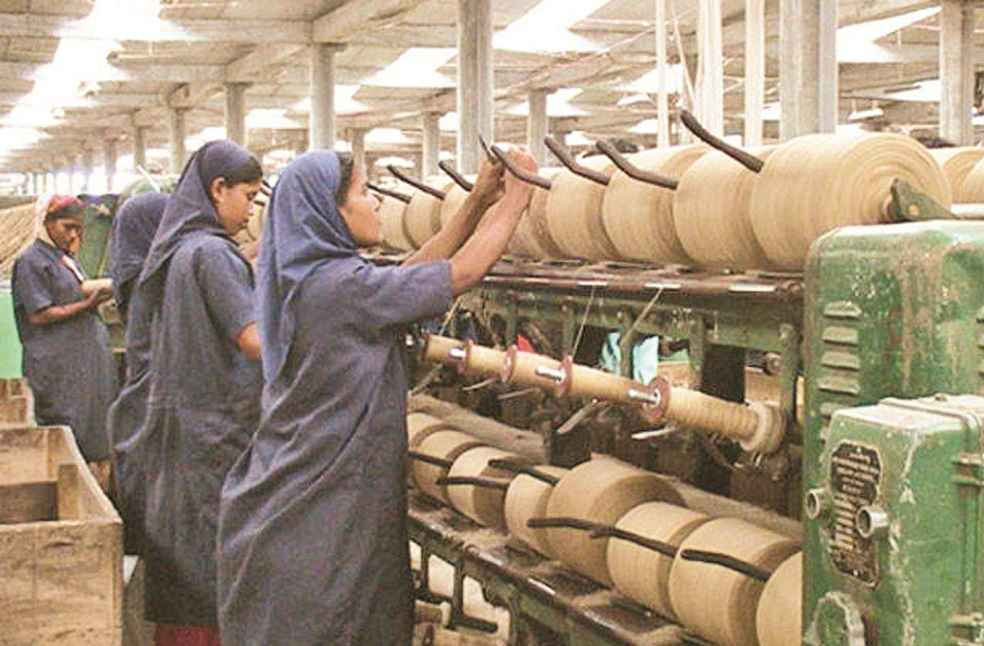
India has enforced restrictions on the imports of jute from Bangladesh, as reported by PTI. The restrictions will apply to all imports of jute and allied fiber products from Bangladesh entering India through land and seaports, except the Nhava Sheva seaport in Maharashtra.
The Directorate General of Foreign Trade, under the Commerce Ministry, issued a notification on Friday declaring the new restrictions on jute imports. As per the South Asian Free Trade Area (SAFTA) agreement, jute exports from Bangladesh benefited from duty-free access to the Indian market until now.
Several jute-related items, such as flax tow and waste (yarn waste and garnetted stock), raw or retted jute and other textile bast fibers, jute excluding flax, true hemp, and ramie, single flax yarn, single or multiple yarns made from jute or similar fibers, woven flax fabrics, and unbleached woven fabrics made from jute or other bast fibers, have been placed under restriction, ANI reported.
According to sources, the government is also implementing measures to prevent Bangladeshi exporters from bypassing the restrictions by channeling their jute exports through third-party countries.

The Indian jute industry has long been impacted by low-cost, subsidized imports of jute products, especially yarn, fiber, and bags from Bangladesh. Despite credible evidence of continued state subsidies by the Bangladeshi government and the imposition of anti-dumping duties (ADD) by India following investigations by the Directorate General of Anti-Dumping and Allied Duties (DGAD), import volumes have not declined.
Major exporters from Bangladesh reportedly evaded anti-dumping duties by exploiting technical loopholes, misdeclaring shipments, and routing exports through exempted firms to obtain greater subsidies.
Last month, India imposed import route restrictions on goods, including ready-made garments and processed food from Bangladesh. As per a DGFT notification, ready-made garments are barred from entering India via northeast-based integrated check posts, as part of a reciprocal move following similar restrictions imposed by Bangladesh in April.
GLOBAL ROUNDUP | Digital Services Tax Strains U.S.-Canada Trade Negotiations