



India has initiated an anti-dumping investigation into imports of nylon-6 chips and granules from China and Russia, following complaints from domestic manufacturers that low-priced imports are undermining local industry, the Ministry of Commerce and Industry said on Saturday.
The probe has been launched by the Directorate General of Trade Remedies under the Commerce Ministry, amid ongoing concerns over price suppression and market distortion in the synthetic raw materials segment.
The investigation stems from an application filed by Surat-based Gujarat Polyfilms, which manufactures nylon-6 chips used in engineering and textile applications. According to information available on its website, the company has an installed capacity of around 1,200 tons per year.
In its complaint, Gujarat Polyfilms alleged that imports of nylon-6 chips and granules with relative viscosity below three from China and Russia have risen sharply in recent years, both in absolute volumes and as a share of domestic consumption.
The company said this surge has led to falling prices, margin suppression, and a significant adverse impact on profitability, as outlined in the ministry’s notification.
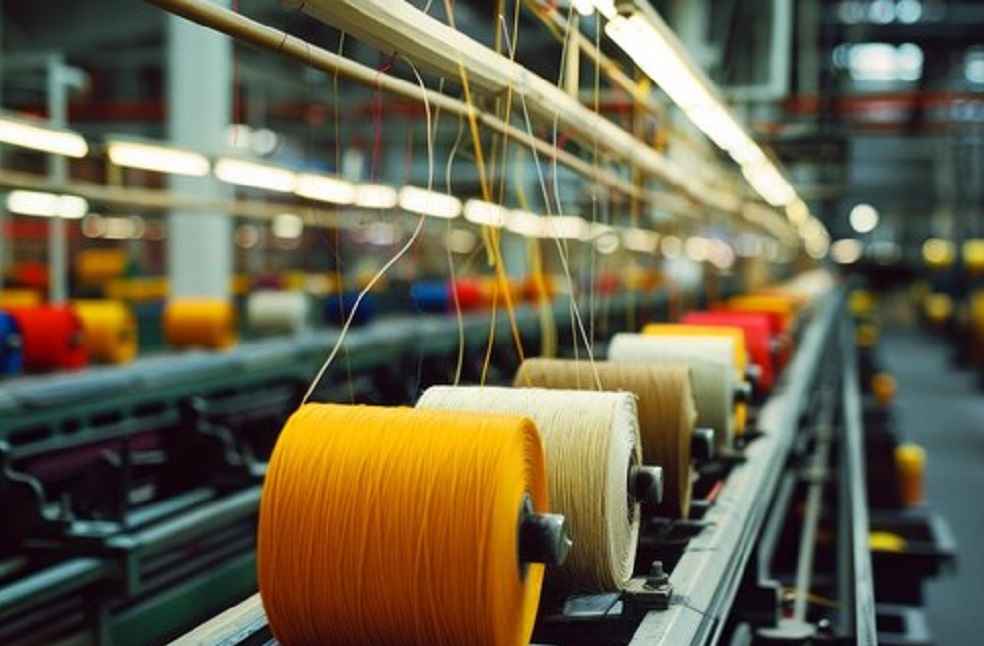
Nylon-6 chips are primarily used in the textile sector, especially in the production of synthetic yarns and fabrics, though they also have applications in light-duty automotive and electrical components.
The DGTR noted that the imported products and domestically manufactured nylon-6 chips are technically and commercially substitutable, sharing similar physical and chemical properties, production processes, and end uses. This allows buyers to switch suppliers largely based on price considerations.
An industry executive, speaking on condition of anonymity, said domestic producers struggle to compete with imports that may benefit from economies of scale, state support, or lower input costs in exporting countries if corrective duties are not imposed.
Some industry voices have cautioned against excessive reliance on trade protection. Raja M. Shanmugam, former president of the Tiruppur Exporters’ Association, said that overuse of protective measures can weaken export competitiveness in price-sensitive global markets.
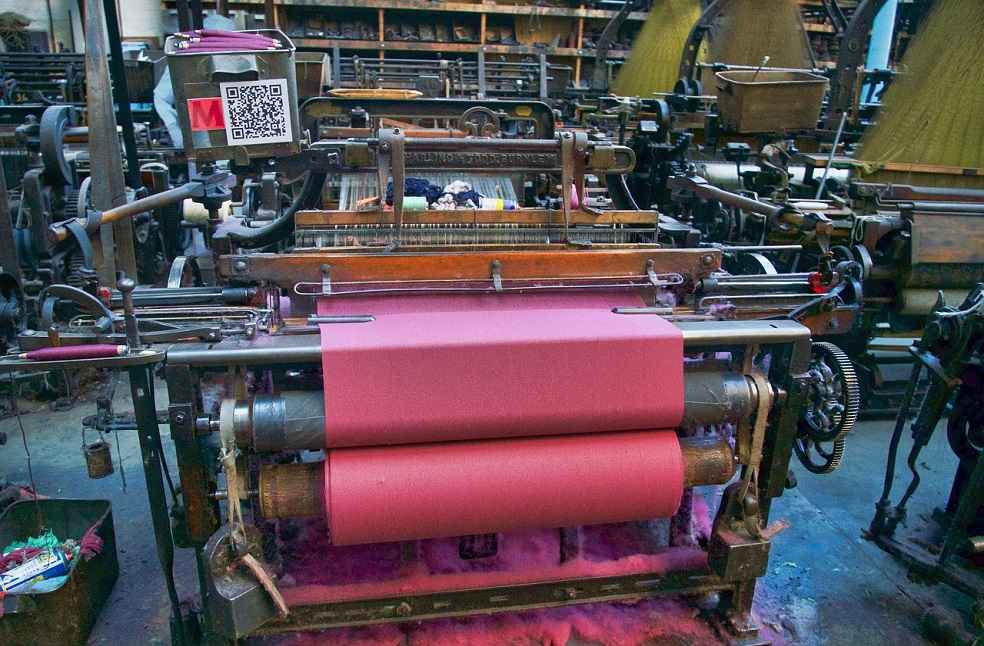
“In this global market era, merely protecting domestic industries can curtail a country’s export prospects, as seen in India’s man-made fiber textile exports, where prices became unviable internationally,” Shanmugam said. He added that policy efforts should focus on improving cost competitiveness rather than defaulting to anti-dumping duties.
Data shared earlier this year by Anupriya Patel, Minister of State for Chemicals and Fertilizers, indicated that India’s total nylon-6 production capacity stands at 83,500 tons.
Domestic manufacturing of nylon-6 chips is mainly carried out by Gujarat State Fertilizers & Chemicals and Gujarat Polyfilms, while companies such as Chevy Polymers operate in recycled nylon-6 granules and plastic resins. Kayavlon Impex is active as a supplier and trader of nylon chips.
China and Russia together accounted for nearly 58% of India’s nylon-6 chip imports in FY25, up from about 50% in the previous year. The rising import share provides important context for the probe, as authorities assess whether the surge has distorted prices and harmed domestic manufacturing.

In its preliminary findings, the DGTR said it had identified prima facie evidence that imports from China and Russia were being dumped in the Indian market, with dumping margins exceeding the de minimis threshold.
The authority also observed a causal link between the allegedly dumped imports and injury to the domestic producer, citing indicators such as price depression, loss of market share, and weakened financial performance. The period of investigation covers July 2024 to June 2025, while the injury analysis spans the preceding three financial years.
The case reflects a broader increase in trade remedy actions by India in chemicals and polymers, sectors that are particularly exposed to volatile global pricing and aggressive export strategies by overseas producers.
If the investigation confirms dumping and material injury, the DGTR may recommend the imposition of anti-dumping duties to offset the price advantage of imports and restore fair competition.
Any duties imposed could affect textile manufacturers and other downstream users through higher input costs, though policymakers argue this may also improve supply stability and reduce dependence on volatile imports.
Representatives of micro, small, and medium enterprises said any remedial action must be accompanied by measures to ensure sufficient and competitively priced domestic supply.
Vinod Kumar, president of the SME Forum, said reliable availability of nylon-6 chips at reasonable prices would be critical for small manufacturers to adjust without disrupting production or export commitments.
GLOBAL EVENTS | 30th Dhaka International Trade Fair Opens in Purbachal