



India and the EU are finalizing a long-delayed free trade agreement, which could substantially increase India’s exports to the 27-member bloc and enhance economic cooperation.
Once signed, the India-EU FTA will become India’s 19th trade pact and one of its most significant, as the EU is India’s largest goods trading partner.
The deal is expected to aid Indian exporters in diversifying markets amid rising U.S. tariffs and global geopolitical tensions.
The agreement has gained urgency as U.S. tariffs of up to 50% disrupt global trade. For India, the FTA provides a strategic means to diversify exports, reduce reliance on China, and mitigate the impact of protectionist policies.
The agreement is anticipated to benefit industries such as technology, pharmaceuticals, automotive, textiles, steel, petroleum products, and electrical machinery.
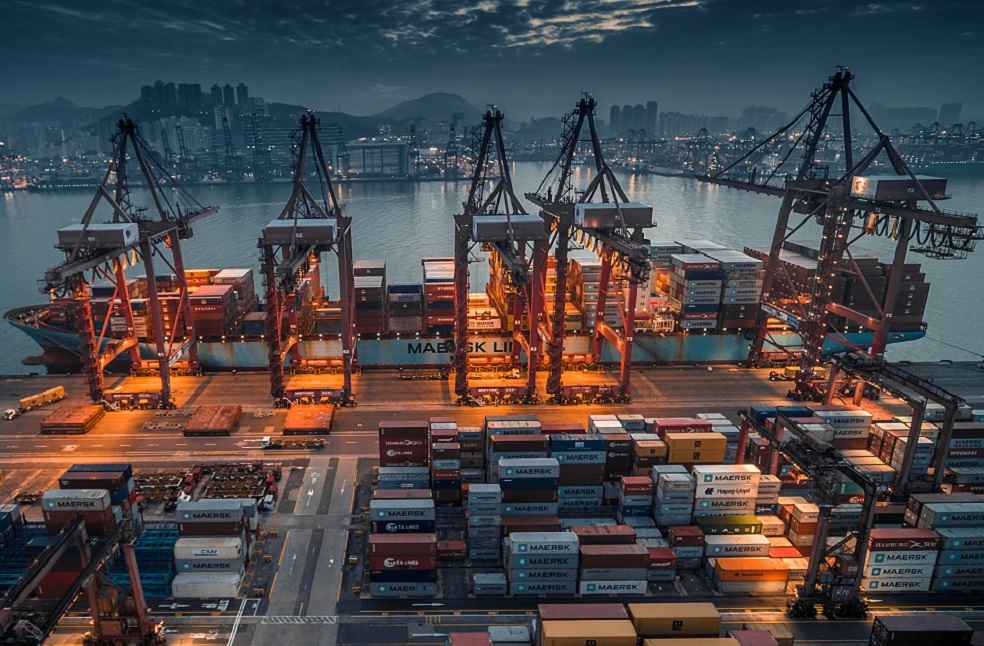
Labor-intensive sectors such as garments, leather, and pharmaceuticals could gain a competitive edge in the EU market, while service exports, particularly in telecommunications, transport, and business services, are also likely to expand.
In 2024-25, India’s bilateral goods trade with the EU totaled $136.53 billion, with exports of $75.85 billion and imports of $60.68 billion, making the EU India’s largest trading partner for goods. The EU accounts for roughly 17% of India’s total exports, while India represents about 9% of the bloc’s overseas shipments.
During the same period, India exported $437 billion in goods and $387.5 billion in services to the EU, while importing $720 billion in goods and $195 billion in services.
India’s key exports to the EU include petroleum products, electronics, textiles, machinery, organic chemicals, iron and steel, gems and jewelry, pharmaceuticals, and automotive components. However, Indian textile exports face EU tariffs of 12–16%, reducing their competitiveness compared with countries like Bangladesh and Vietnam, which benefit from preferential trade agreements.
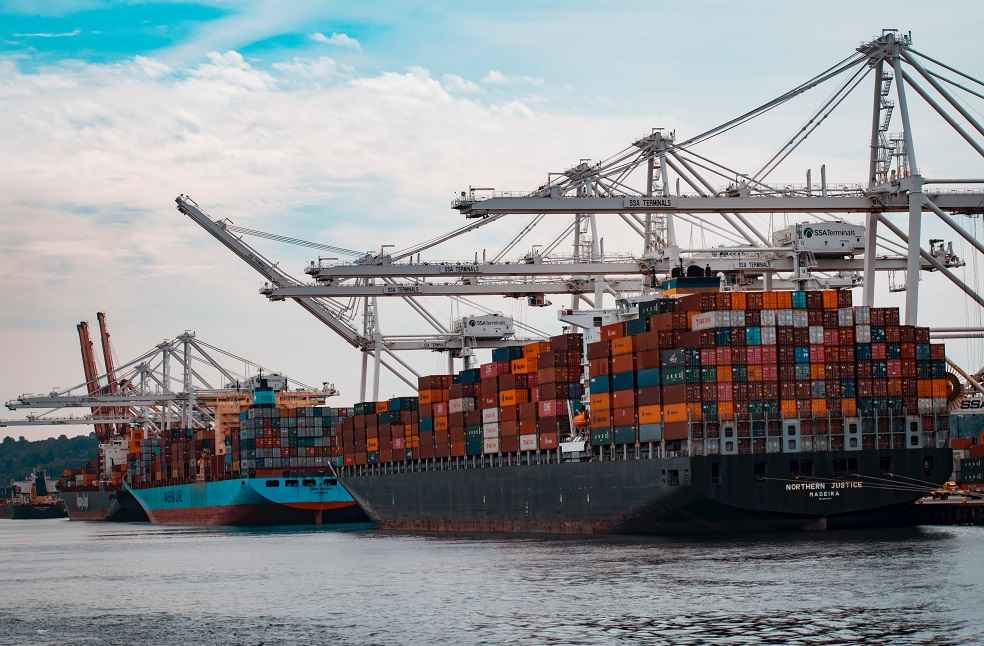
India sources machinery, aircraft and parts, electronics, medical devices, scientific instruments, rough diamonds, chemicals, plastics, automobiles, and auto components from the EU. In services, India supplies business, IT, telecom, and transport services, while importing intellectual property and IT-related services from the bloc.
Negotiations on the India-EU Free Trade Agreement began in 2007 and continued through 2013 but stalled due to disagreements over auto tariffs, data protection for Indian IT firms, intellectual property rights, labor standards, and public procurement.
In June 2022, India and the EU officially resumed talks, expanding the scope to include a Free Trade Agreement, an Investment Protection Agreement, and an Agreement on Geographical Indications.
POLICY & LAW | Trump Imposes 25% Tariff on Nations Trading with Iran