



India and the European Union have agreed to maintain discussions on sensitive areas such as steel, automobiles, and carbon tax under the proposed free trade agreement, India’s commerce ministry said on Wednesday.
The ministry added that India has also advocated for addressing both tariff and non-tariff barriers in the agreement, as well as establishing transparent and predictable regulatory frameworks to strengthen bilateral trade.
The matters were discussed during Commerce and Industry Minister Piyush Goyal’s three-day visit to Brussels, where he met EU Commissioner for Trade and Economic Security Maros Sefcovic to advance the ongoing negotiations. The minister’s official visit ended on Tuesday.
The EU has introduced regulations, including the Carbon Border Adjustment Mechanism (CBAM) and the Deforestation Regulation (EUDR), which India has strongly opposed. Under CBAM, Indian exports of steel, aluminum, and cement to the EU could face tariffs ranging from 20% to 35%.
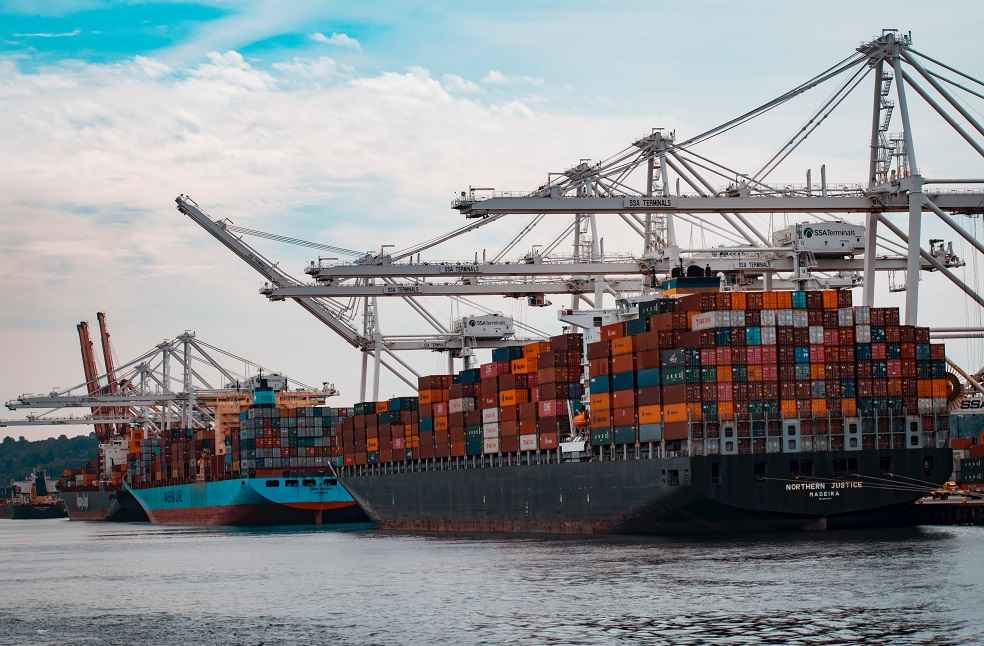
According to a report by think tank GTRI, India’s exports of products such as coffee, leather hides, and paperboard, valued at $1.3 billion annually, could be affected by the EU’s deforestation regulation.
During the Brussels negotiations, India’s Commerce and Industry Minister Piyush Goyal stressed the importance of granting preferential treatment to India’s key demands, especially concerning labor-intensive sectors.
To move the ongoing talks forward, the EU technical team, headed by the Director General for Trade, will visit India next week, aiming to reach a constructive outcome. Engagements between the two sides have intensified, with both parties targeting the conclusion of negotiations by December. Goyal’s visit comes after the completion of the 14th round of talks, held from October 6 to 10.
In June 2022, India and the EU resumed talks on a comprehensive FTA, an investment protection deal, and a pact on geographical indications after more than eight years of pause. The negotiations had been stalled since 2013 due to disagreements over the extent of market access.
In addition to seeking substantial duty cuts on automobiles and medical devices, the EU is pushing for tax reductions on products such as wine, spirits, meat, and poultry, along with an intellectual property framework.
If the agreement is finalized, Indian exports to the EU, including readymade garments, pharmaceuticals, steel, petroleum products, and electrical machinery, could become more competitive. The India-EU trade negotiations span 23 key policy areas, covering trade in goods and services, investment, trade remedies, rules of origin, customs procedures, competition, government procurement, dispute resolution, intellectual property rights, geographical indications, and sustainable development.
ORGANIZATIONS NEWS | Okonjo-Iweala Seeks Urgent Reforms to Modernize Global Trade System