


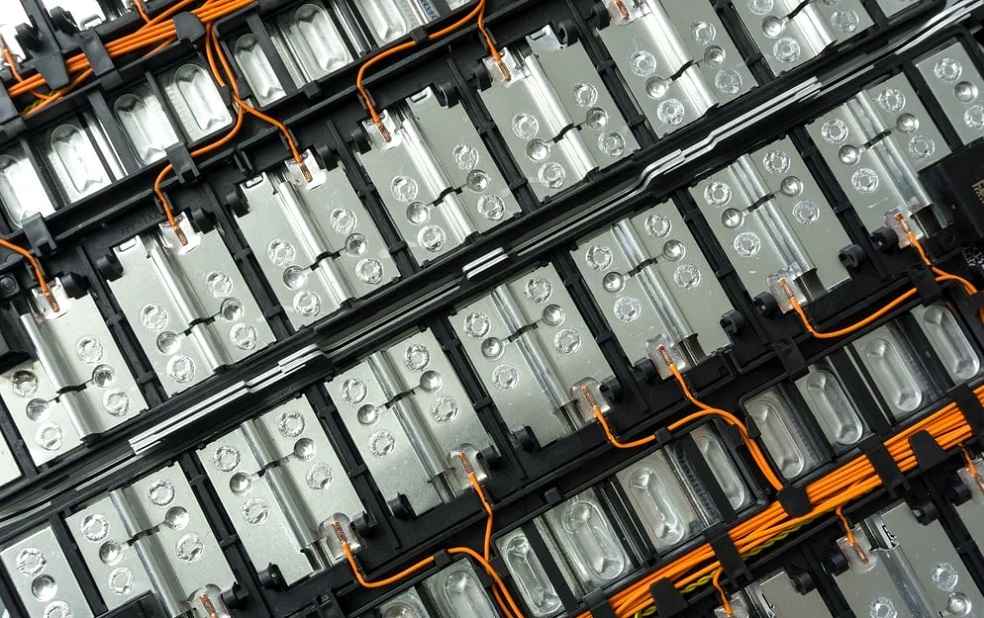
India revealed plans to eliminate import duty on various components essential for manufacturing electric vehicle (EV) batteries and mobile phones on Tuesday.
Ahead of the parliamentary vote on the Finance Bill 2025, Finance Minister Nirmala Sitharaman declared a policy to boost domestic production and elevate export competitiveness by lowering raw material duties.
“We aim to boost domestic production and enhance export competitiveness by reducing duties on raw materials,” Nirmala Sitharaman said.
The new policy exempts import duties on 35 essential components for EV battery production and 28 key raw materials for mobile phone manufacturing.

The declaration comes after the U.S. government’s decision to introduce reciprocal tariffs starting April 2. In response, India is devising strategies to minimize the impact on its industries while engaging in bilateral discussions to address tariff issues and pursue trade agreements.
According to a report by The Financial Times, the American President is exploring a two-phase approach to implement new tariffs. The strategy may involve using emergency powers to enforce immediate import duties while trade investigations are underway. Officials are also examining legal frameworks to expedite the tariff process.
Earlier on Tuesday, Reuters reported, citing two government sources, that India is considering reducing tariffs on over half of U.S. imports worth $23 billion as part of initial trade negotiations.
The Indian government is facing growing demands to aid local manufacturers following a parliamentary committee’s recent recommendation to lower import tariffs on raw materials to boost domestic production.
As both nations strive for a resolution, India’s recent policy adjustment highlights a calculated effort to bolster its manufacturing sector, with a focus on industries like electric vehicles and mobile technology.
POLICY & LAW | U.S. Export Blacklist Targets Dozens of Chinese Entities Over Tech Concerns