


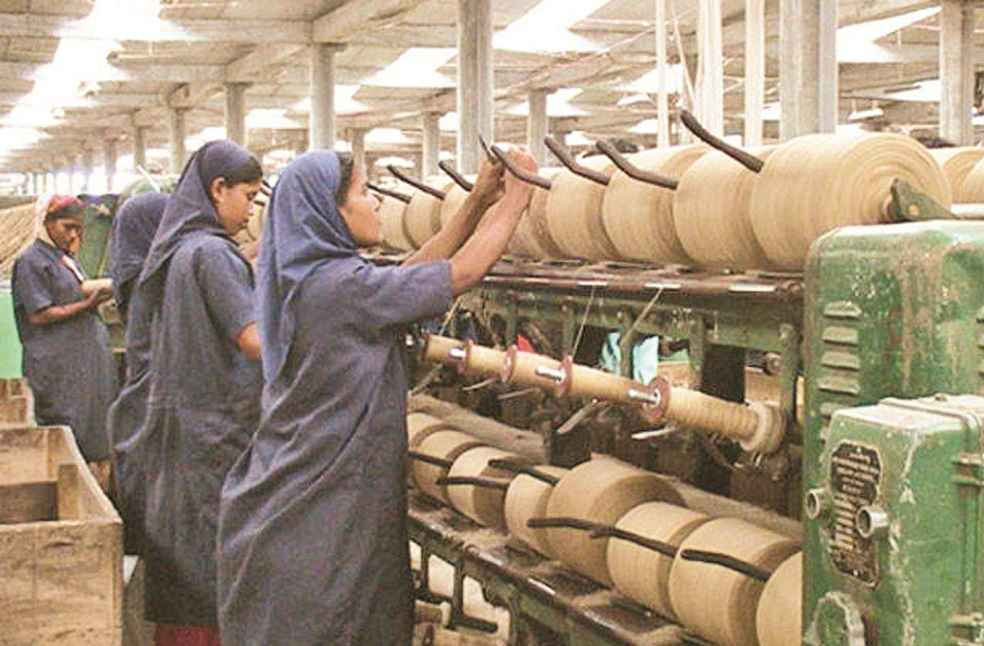
India has effectively shut its land borders to jute imports from Bangladesh, directing all consignments through the Nhava Sheva seaport. The move follows a phased tightening of trade measures over recent months.
In April 2025, India withdrew Bangladesh’s transshipment facility for most overseas-bound goods, except those destined for Nepal and Bhutan. By May, restrictions were extended to certain non-jute products, including garments, processed foods, plastics, and wooden furniture. In June, all jute imports via land routes were banned. The latest update widens the list of restricted items to include bleached and unbleached jute fabrics, twine, cordage, ropes, sacks, and bags.

Reasons Behind the Ban
The official rationale rests on protecting the domestic jute industry from dumped and subsidized imports, strengthening compliance checks, and improving product quality oversight. Anti-dumping duties have been in place since 2017, yet imports from Bangladesh have grown, partly due to misdeclaration and routing through third countries to avoid tariffs. By funneling all imports through a single port, authorities aim to streamline inspections, conduct hydrocarbon oil content tests, and close loopholes in labelling and invoicing.
Observers also point to a strategic element, linking the move to India’s concerns over Bangladesh’s closer ties with China and recent political statements from its interim leadership.
Impact on India’s Jute Sector
The restrictions come at a time when India’s jute industry is under pressure. Prices in FY 2024-25 have fallen below the government’s Minimum Support Price of ₹5,000 per quintal. Six organized jute mills have shut down, with ₹1,400 crore in outstanding dues, including ₹400 crore in legacy debt. More than 400,000 workers in West Bengal and Bihar face uncertainty, with cheap Bangladeshi imports cited as a factor in keeping mill capacity underused.
Challenges for Bangladesh
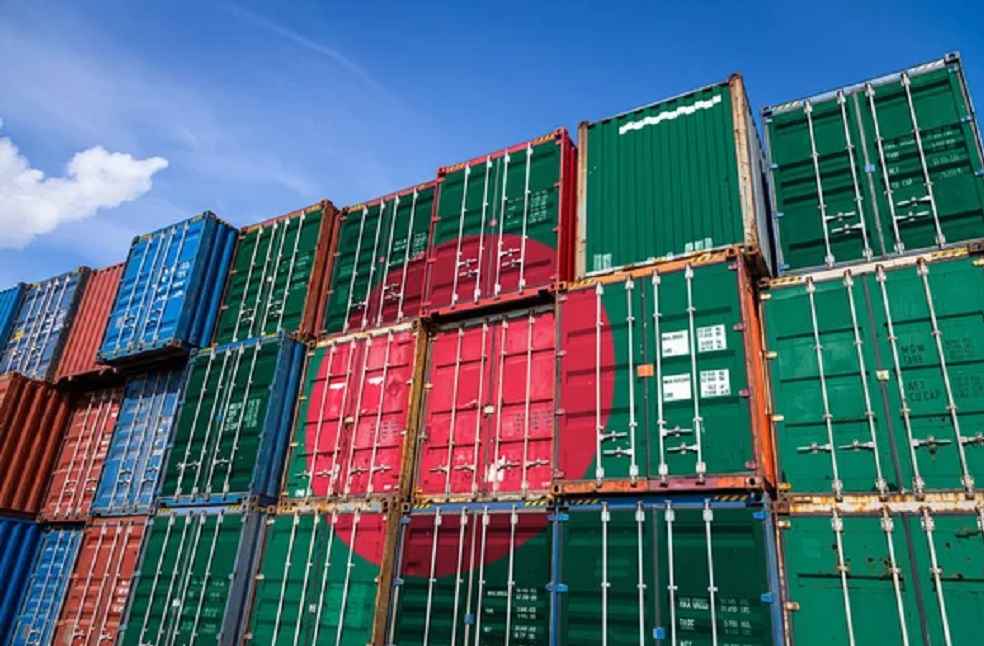
For Bangladesh, which earned about $2 billion from jute exports to India in 2024-25, the changes will mean higher transport costs, longer transit times, and reduced price competitiveness due to rerouting through Nhava Sheva. The April removal of the transshipment facility has already cut off a key corridor for supplying Europe and the Middle East via Indian territory. With synthetic substitutes and other suppliers increasing competition, Bangladesh’s dominant share in global jute exports, 74% in 2018, could come under pressure.
The ban may accelerate India’s push for value-added domestic jute production while compelling Bangladesh to diversify export markets. India’s Directorate General of Trade Remedies is currently conducting a mid-term review of existing anti-dumping duties on jute from Bangladesh and Nepal, examining possible circumvention and considering whether to extend measures to raw jute imports.
While the restrictions offer breathing space for Indian mills and farmers, they also reshape trade dynamics. The longer they remain, the greater their potential to influence sourcing strategies, supply chains, and global market competition in the jute sector.
POLICY & LAW | Indonesia and Peru Sign CEPA to Boost Trade and Investment
