


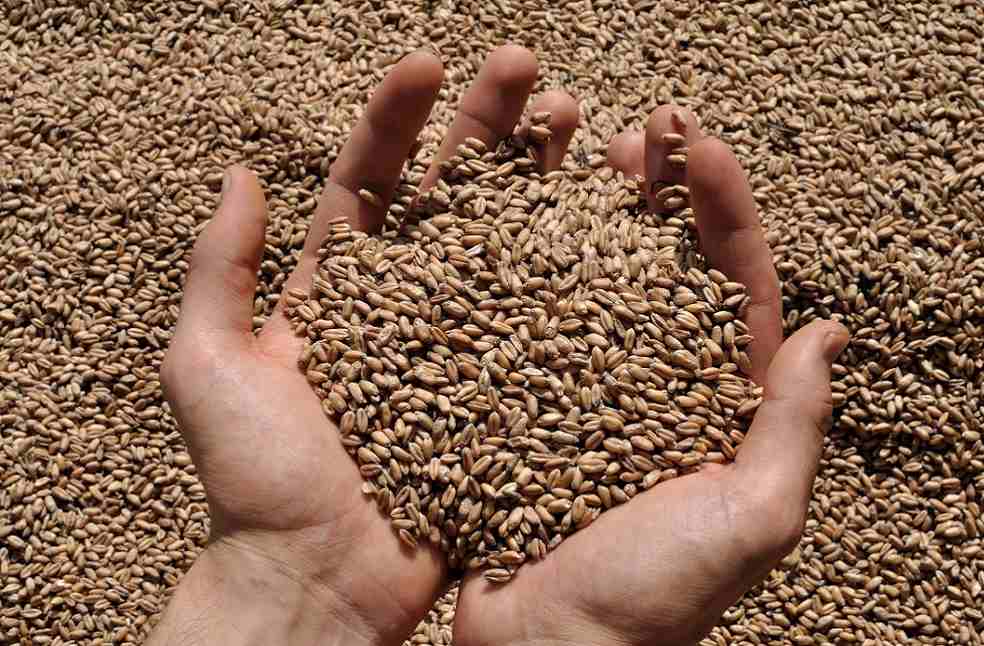
India on Friday approved exports of wheat and processed products, totaling 2.5 million tons of grain and 500,000 tons of processed products, citing sufficient domestic stocks and a favorable production outlook.
“In view of higher stock availability, softening prices, the expectation of a higher production this season, and the need to prevent distress sales during peak arrivals, the government has decided to permit the export of 2.5mt of wheat and 500,000 tons of wheat products,” the ministry said in a statement.
The approval comes nearly four years after India imposed a blanket ban on wheat exports.
According to the Ministry of Consumer Affairs, Food and Public Distribution, wheat stocks held by private entities in 2025–26 are projected at approximately 7.5 million tons, representing an increase of nearly 3.2 million tons compared with the previous year.

Additionally, wheat stocks in the central pool managed by the Food Corporation of India are projected to reach about 18.2 million tons in April, suggesting that buffer requirements will be maintained even after the approved exports, the ministry noted.
India banned wheat exports in May 2022 to curb rising domestic prices and safeguard food security, following reduced output caused by an extreme heatwave. The measure was also implemented amid surging global wheat prices due to the Russia-Ukraine conflict, raising concerns that private exports could deplete domestic stocks and exacerbate food inflation.
Since then, India has permitted only limited government-to-government exports on humanitarian grounds, keeping commercial trade largely suspended. On 16 January, the government permitted restricted exports of wheat flour and related products under a tightly controlled authorization mechanism.
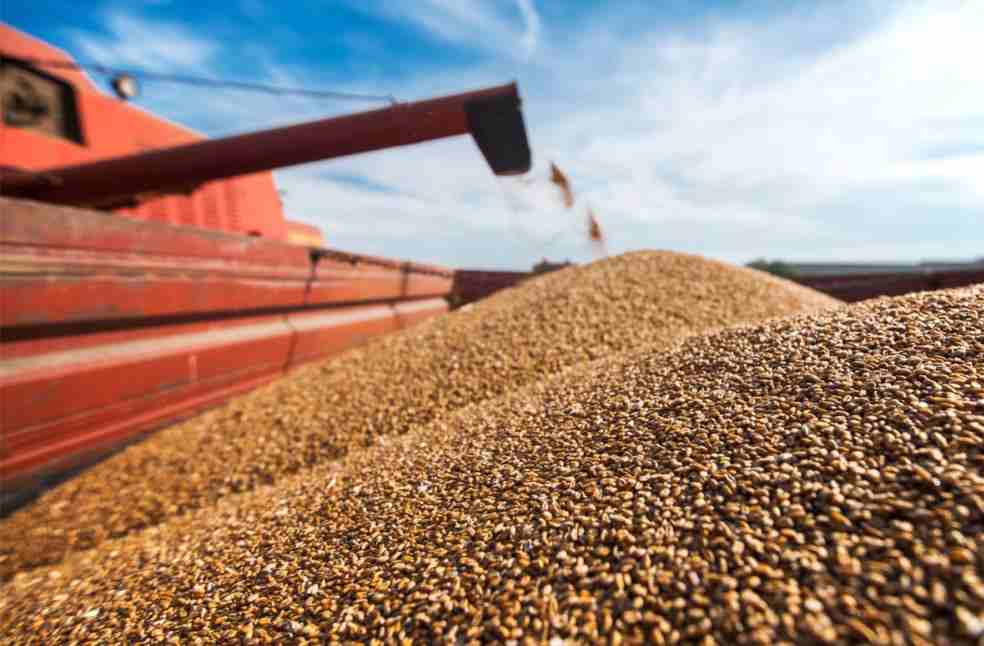
Under the revised policy, exports of wheat or meslin flour—including atta, maida, semolina, wholemeal atta, and derivative products—were allowed up to a cumulative limit of 500,000 tons, subject to export authorizations issued by the Directorate General of Foreign Trade and compliance with separately notified procedures.
Despite this, these products remain classified as ‘prohibited’ under the export policy, with shipments permitted solely through specific government approvals.
The ministry added that this calibrated approach will help stabilize domestic prices, enhance market liquidity, facilitate stock management, and support farmers’ incomes, while fully safeguarding national food security.
BANKING & FINANCE | S.Korea Launches Committee to Review Investment Projects in U.S.