


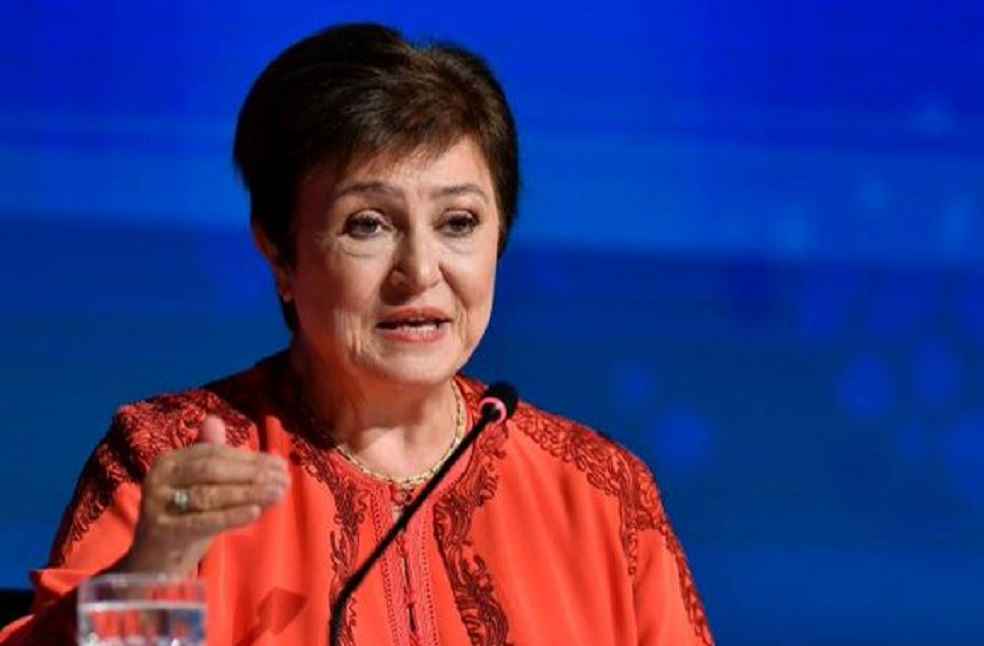
International Monetary Fund Managing Director Kristalina Georgieva has warned that the ongoing conflict in the Middle East could test the global economy’s resilience and trigger further economic disruptions in the months ahead.
Speaking at the Asia in 2050 Conference in Bangkok, Georgieva said the world should prepare for “more frequent, more unexpected shocks,” noting that global policymakers must remain ready for sudden developments that could affect economic stability.
She said a prolonged conflict in the region could influence energy prices, investor sentiment, economic growth, and inflation, placing additional pressure on policymakers worldwide.
The warning comes as tensions escalate following Iran’s retaliation to recent U.S. and Israeli strikes, which have already disrupted travel and affected oil flows through the Strait of Hormuz.
According to scenarios analysed by Bloomberg Economics, sustained increases in energy prices could accelerate global inflation while weakening economic growth.
Georgieva said the IMF is closely monitoring developments in the Middle East and will incorporate its analysis into the upcoming World Economic Outlook scheduled for release in April.
Earlier this year, the IMF revised its global growth forecasts slightly upward, projecting expansion of 3.3% for 2026 and 3.2% for the following year.
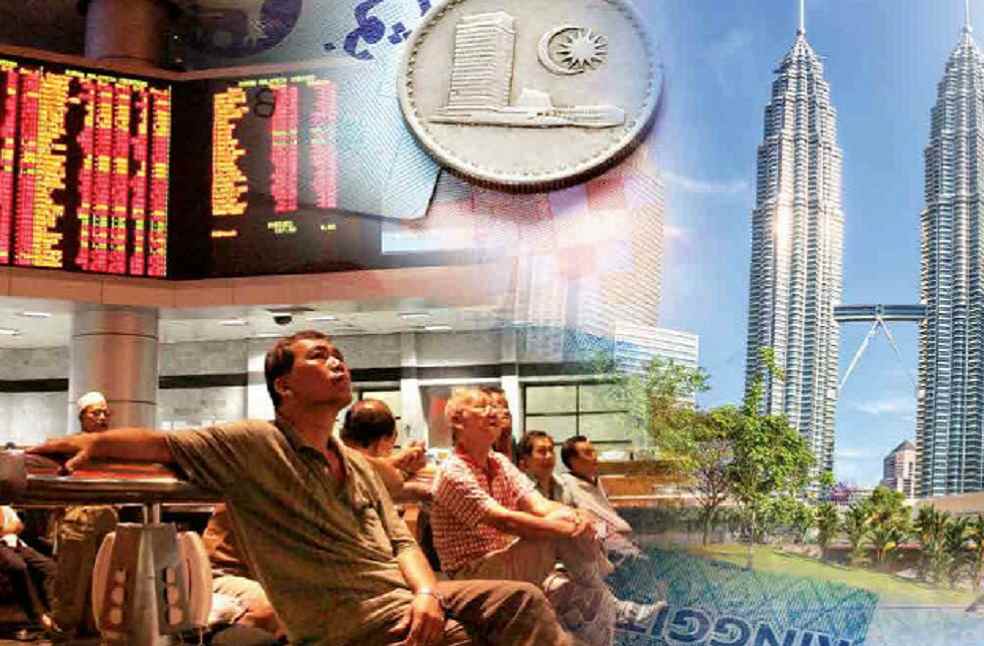
The IMF chief also highlighted Asia’s progress in strengthening financial systems and rebuilding economic resilience since the Asian Financial Crisis. She further cautioned that the region must still prepare for an era of repeated economic shocks driven by technological disruption, geopolitical tensions, and trade uncertainty.
Georgieva encouraged Asian economies to deepen regional integration and reduce non-tariff barriers to better withstand global trade disruptions.
“There is no point lamenting on what is happening outside your remit,” she said. “Focus on what is in your hands, on what you can do to get your country, your economy in the best of shapes for this world we have entered.”
The Middle East conflict has already affected global financial markets, with technology-focused indexes in South Korea and Taiwan among the hardest hit as foreign investors sold billions of dollars’ worth of stocks.
“The sooner we see the end of the calamity, the better for the whole world,” Georgieva said.
POLICY & LAW | U.S. May Raise Universal Import Tariff to 15% This Week