



Hungary’s Foreign Minister Péter Szijjártó stated on Tuesday at the UN General Assembly in New York that Hungary will keep importing Russian crude oil despite Washington’s appeal to NATO allies to cease oil purchases.
“We can’t ensure the safe supply for our country without Russian oil or gas sources,” Szijjártó told the Guardian, adding that “we can only buy from where we have infrastructure.”
Hungary’s regional outlets reported that the country will continue relying on Russian energy, as abandoning it would threaten its energy security.
Szijjártó’s remarks came in response to President Donald Trump’s recent call for Europe to stop buying Russian oil as a prerequisite for imposing new U.S. sanctions on Moscow.
“I am ready to do major sanctions on Russia when all NATO nations have agreed and started to do the same thing, and when all NATO nations stop buying oil from Russia,” Trump wrote on Truth Social last week.
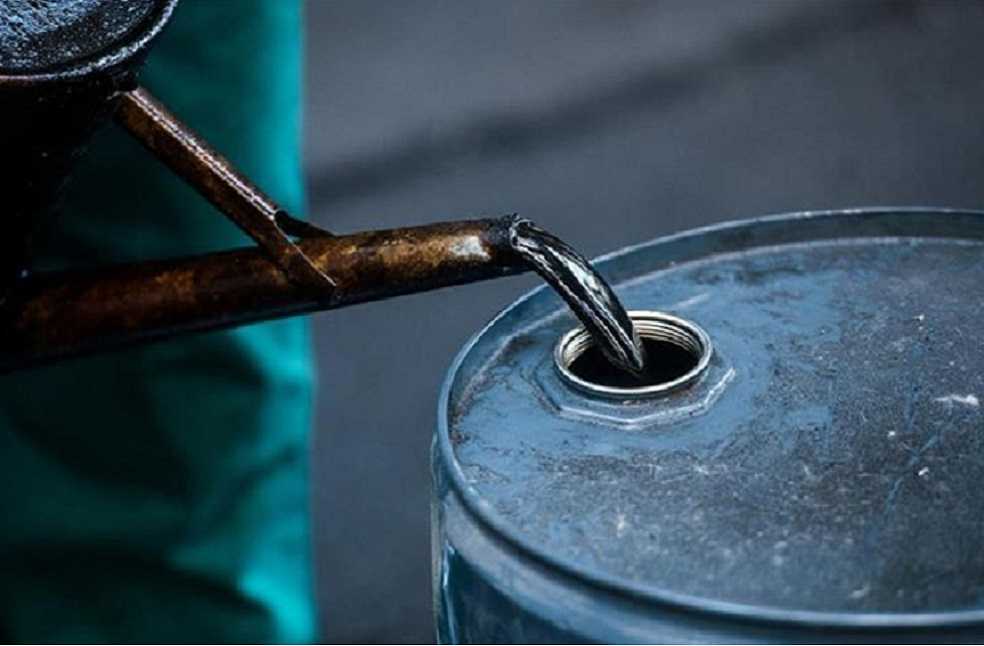
Hungary’s state-owned MOL Group brings approximately 5 million tons of oil each year via the Soviet-era Druzhba pipeline, which delivers crude to refineries in both Hungary and Slovakia. These two nations have consistently pushed back efforts to end energy imports from Russia.
EU restrictions have already cut most seaborne Russian crude imports, but Hungary and Slovakia still receive pipeline oil under previous exemptions. According to recent briefings, the EU’s intake of Russian oil has dropped by about 90% since 2022.
In August, infrastructure damage in Russia caused pipeline disruptions, temporarily halting deliveries to Hungary and Slovakia. Hungary later reported that limited test-mode shipments resumed at reduced volumes.
The EU is considering trade actions targeting the remaining oil flows through the Druzhba pipeline, possibly without full unanimous approval, as officials throughout Europe have called on Budapest and Bratislava to support wider initiatives to cut Russian energy income.
POLICY & LAW | EU’s Import Ban Tied to Deforestation Law Faces Another Delay