



Hong Kong is moving to expand its role in the global gold trade, with plans to increase storage capacity and deepen ties with mainland China as Beijing pushes for greater influence in international commodity markets.
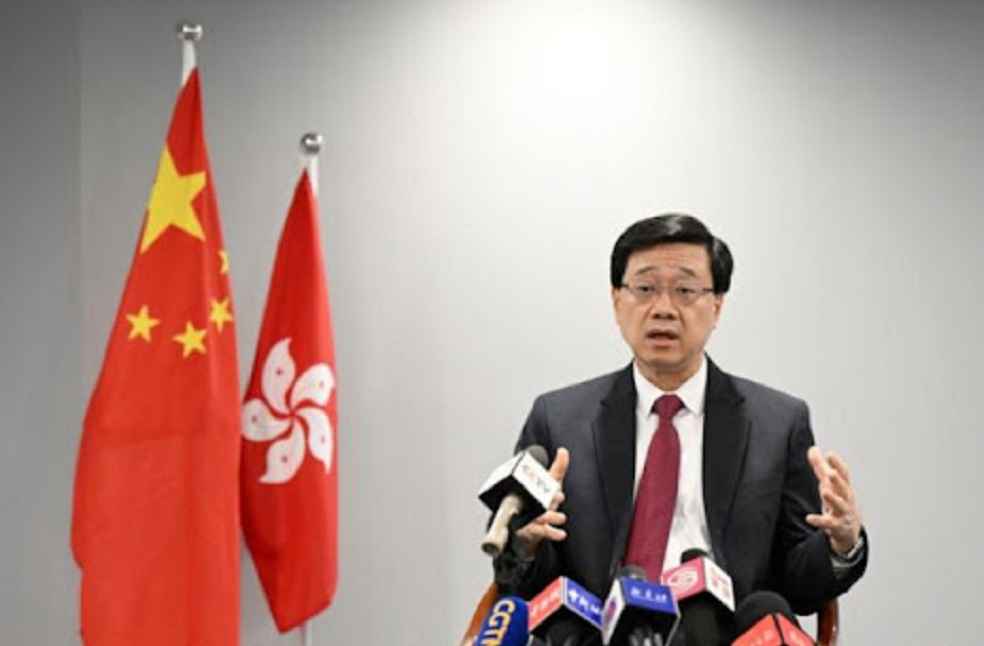
In his annual policy address on Wednesday, Chief Executive John Lee outlined measures to re-establish the city as a major bullion hub. The plan includes raising Hong Kong’s storage capacity to more than 2,000 tons within three years and creating a central clearing platform for gold. The strategy, which replaces earlier gradual proposals, aims to attract traders, expand refining activity, and reinforce the city’s role as China’s gateway to global bullion flows.
As part of the initiative, Lee invited the Shanghai Gold Exchange to prepare for future two-way market access. The move follows the exchange’s opening of its first offshore vault in Hong Kong in June, alongside the launch of two contracts for international investors, a step designed to promote broader yuan use in cross-border trade and reduce reliance on the U.S. dollar.
Officials say Hong Kong’s lighter rules on bullion imports and exports compared to the mainland make it a critical link between international markets and China’s tightly controlled domestic sector. While some foreign specialists have returned to the city’s gold trade, state-owned banks and firms still face hiring challenges due to a shortage of skilled workers.

The government also announced tax incentives for commodity traders and the rollout of new trading technologies to support its long-term commodity strategy. Earlier this year, the London Metal Exchange approved Hong Kong as a warehouse site for the first time, strengthening the city’s connection to mainland China.
Meanwhile, China’s central bank is preparing to ease gold import rules by broadening the use of ‘multi-use permits,’ extending their validity to nine months, and removing restrictions on their reuse. The plan also allows more Chinese ports to clear shipments. A stronger yuan against the U.S. dollar has made gold imports cheaper, while reduced trade frictions are expected to benefit jewelers amid record global bullion prices.
“This is a small but meaningful step China is taking to align with international practices,” said Samson Li, an analyst at Commodity Discovery Fund in Hong Kong.
TRADE TECH | WTO Says AI Could Lift Global Trade by 37% by 2040
