


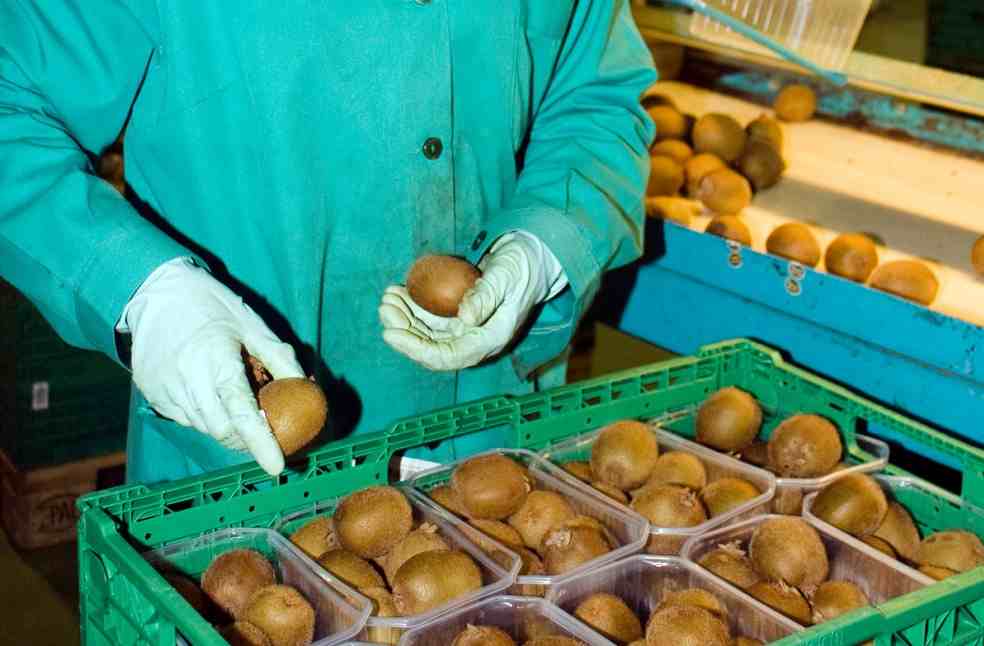
Greek kiwi has reinforced its standing in global agricultural markets, ranking third worldwide in export value as production doubled over the past decade and Vietnam officially opened its market to the fruit starting 1 March 2026.
The development marks another milestone for one of Greece’s most prominent export fruits, reflecting steady gains in output, improved cultivation practices, and expanding international reach. Vietnam has now joined a growing list of destinations as Greek exporters continue to diversify trade routes.
Official figures from the Ministry of Rural Development and Food showed that kiwi production increased from 171,719 tons in 2014 to 341,998 tons in 2024, representing a 100% rise within ten years. The expansion has been driven by new plantations, stronger producer organizations, and investments in modern farming techniques across key growing regions.

Northern Greece remains the backbone of the sector. Between 2014 and 2024, Central Macedonia produced 1,402,269 tons, followed by Epirus with 720,800 tons and Eastern Macedonia and Thrace with 697,501 tons. These regions have strengthened export capacity through infrastructure upgrades, standardization measures, and enhanced quality control systems.
Spyridon Protopsaltis, General Secretary of Rural Development and Food, said kiwi has emerged as one of the strongest pillars of Greece’s fresh fruit industry, noting that consistent investment in organized cultivation has supported the sector’s long-term growth trajectory.
Export demand continues to show strong momentum. By 13 February of the current trading season, Greece had shipped approximately 154,069 tons of kiwi abroad. Spain led as the top destination with 21,421 tons, followed by the United States with 18,259 tons, Italy with 15,031 tons, Brazil with 13,936 tons, and Poland with 8,592 tons. The wide geographic spread highlights a sustained international appetite for Greek produce.
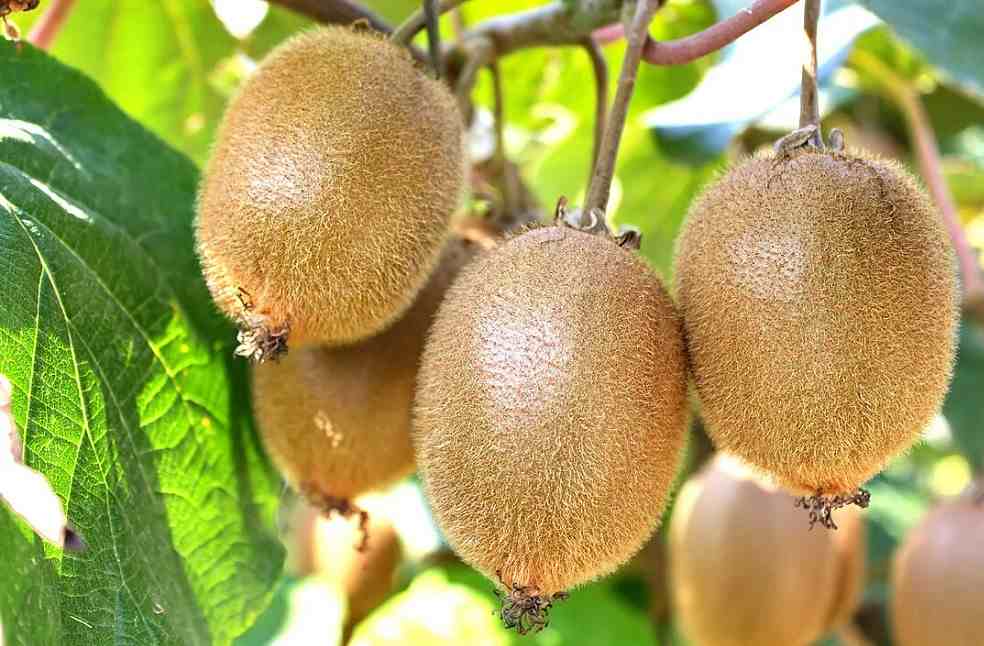
Trade data from the United Nations’ UN Comtrade database confirmed Greece’s position as the third-largest exporter worldwide in terms of kiwi export value in 2024, reinforcing the fruit’s reputation for quality and reliability in global markets.
The opening of the Vietnamese market follows a multi-year technical process that began in 2016. Final written approval was granted on 13 February 2026, allowing exports of all varieties, including green- and yellow-fleshed kiwi. Exporters are required to meet strict phytosanitary certification standards and apply cold treatment protocols before shipments commence.
Vietnam, with a population of about 102 million, represents a significant opportunity for Greek exporters. According to Vietnam’s Ministry of Agriculture and Environment, fruit and vegetable imports exceeded $1.9 billion during the first nine months of 2025, reflecting robust demand for premium produce.
Protopsaltis said the agreement with Vietnam was the result of sustained cooperation between authorities and industry stakeholders, adding that the new trade corridor could further strengthen Greece’s presence in dynamic Asian markets as global demand for high-quality fresh fruit continues to expand.
IMEX SECTOR | Philippine Ube Sales $3.06M as World Need Drives Food Trends Now Up