



The global hemp protein powder market is on track to reach $1,031.1 million by 2035, growing at a compound annual growth rate (CAGR) of 10.4% from $423.7 million in 2025. The strong growth outlook is driven by rising global demand for plant-based and sustainable nutrition alternatives.
Hemp protein, derived from nutrient-rich hemp seeds, is gaining popularity as a complete protein source containing all nine essential amino acids.
It offers superior digestibility, high fiber content, and balanced omega fatty acids, making it increasingly preferred by health-conscious consumers and those seeking functional, allergen-free nutrition.
The surge in veganism, vegetarianism, and flexitarian diets has accelerated the adoption of hemp protein powder as a versatile and natural alternative to animal-based proteins.
Its suitability for individuals with lactose or gluten intolerance, combined with its role in fitness, heart health, and weight management diets, reinforces its growing market appeal.

Global trade in hemp protein powder continues to expand, reflecting its widespread acceptance. Export volumes rose from 5,000 tons in 2021 to 6,000 tons in 2023, with strong demand in the United States and the European Union, where consumers increasingly favor sustainable and eco-friendly products.
Sustainability remains a key driver of market growth. Hemp requires minimal water, no synthetic pesticides, and enriches the soil, qualities that position it as an environmentally responsible crop.
Evolving regulatory frameworks, particularly in North America and Europe, are further supporting growth. The 2018 U.S. Farm Bill, which legalized industrial hemp farming, has notably boosted raw material availability and local production.
Although regional regulatory inconsistencies persist, global market prospects remain positive as more governments introduce standardized guidelines for hemp-based food and supplements.
By nature, the conventional hemp protein powder segment is expected to account for 55.8% of the market in 2025, owing to its broad accessibility and cost efficiency. Meanwhile, organic hemp protein is rapidly gaining traction among consumers seeking clean-label and non-GMO options.
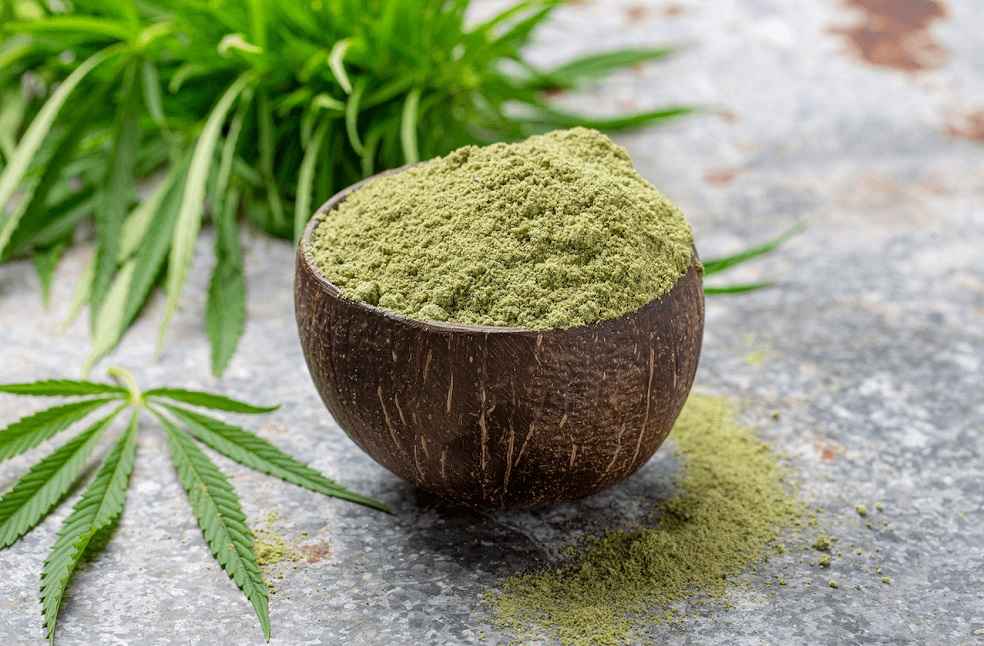
Flavoured variants, projected to capture 30.4% market share in 2025, are also growing in popularity, with chocolate, vanilla, and berry flavors attracting new consumer segments.
India is projected to record the fastest CAGR of 15.4% through 2035, supported by progressive hemp policies and local cultivation initiatives. Italy and the UK are also witnessing notable growth, driven by consumer demand for sustainable, plant-based foods.
The USA remains a global leader in innovation and production, while Germany and Spain are expanding their retail and e-commerce distribution of hemp-based nutrition products.
The competitive landscape features a mix of global brands and emerging startups shaping the market’s evolution. Established players such as Manitoba Harvest, Nutiva, Navitas Organics, and Bob’s Red Mill continue to focus on organic, eco-friendly formulations and clean-label branding.
TRADE WORLD | India and Canada Agree on a New Roadmap to Boost Cooperation