


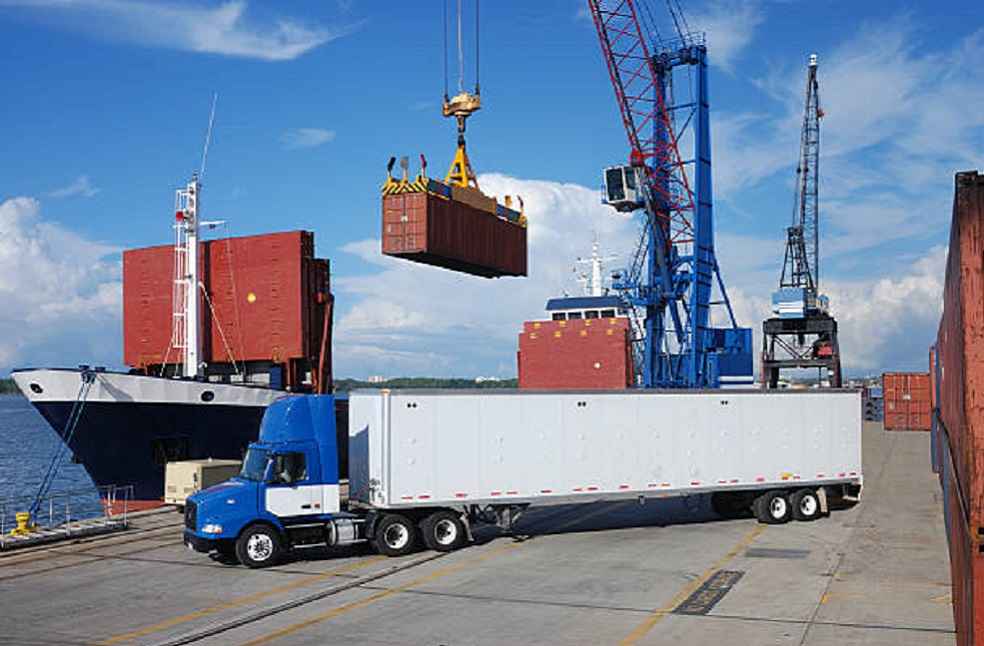
Global container shipping rates increased this week for the first time in nearly a month, ending a three-week decline that had pushed spot prices to their lowest point since January.
According to the latest Drewry World Container Index, average rates climbed 7% to $1,927 per FEU, driven by stronger pricing on the Transpacific and Asia–Europe trade lanes as carriers shift to more tactical rate management.
Transpacific routes led the rebound. Rates from Shanghai to Los Angeles rose 8% to $2,256 per FEU, while Shanghai to New York increased 6% to $2,895.
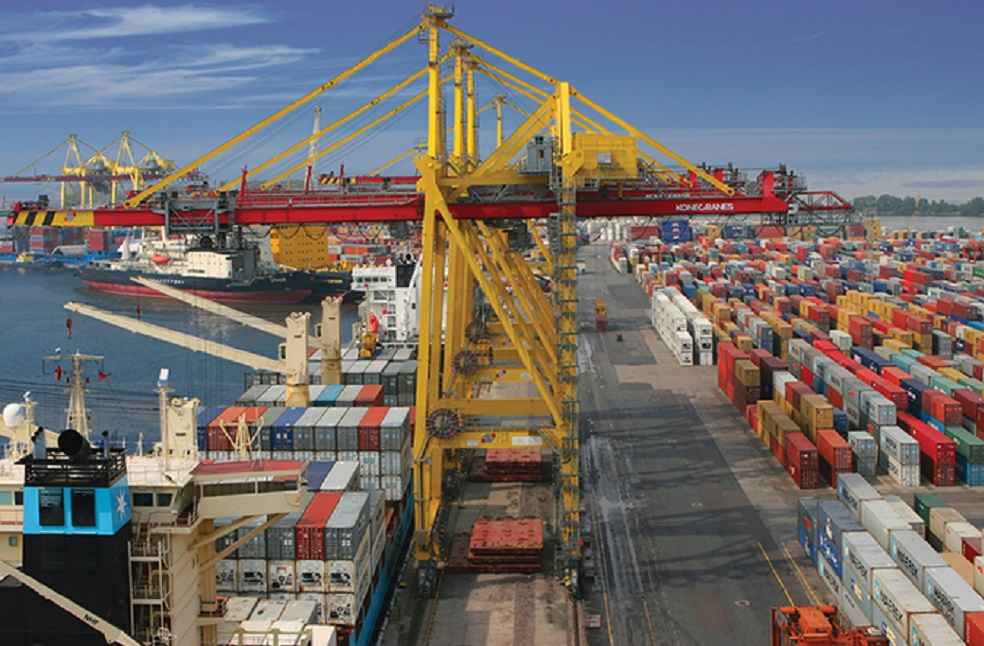
The gains reflect a strategic pivot by carriers away from traditional biweekly General Rate Increases (GRIs), which often erode quickly, toward smaller weekly adjustments designed to maintain steadier upward pressure. Drewry said this pattern has contributed to a more stable rate environment, with analysts expecting the trend to hold in the short term.
Asia–Europe routes posted even greater improvements. The Shanghai–Genoa corridor jumped 15% to $2,648 per FEU, and Shanghai–Rotterdam rose 4% to $2,241. Pricing on these lanes has strengthened for three consecutive weeks, supported by Freight All Kinds (FAK) increases as carriers prepare for annual contract negotiations.
Despite the recovery, uncertainty surrounding the Suez Canal continues to overshadow the broader outlook. While carriers still prefer the canal for East–West movements, a full restoration of transits would return significant capacity to the global network.
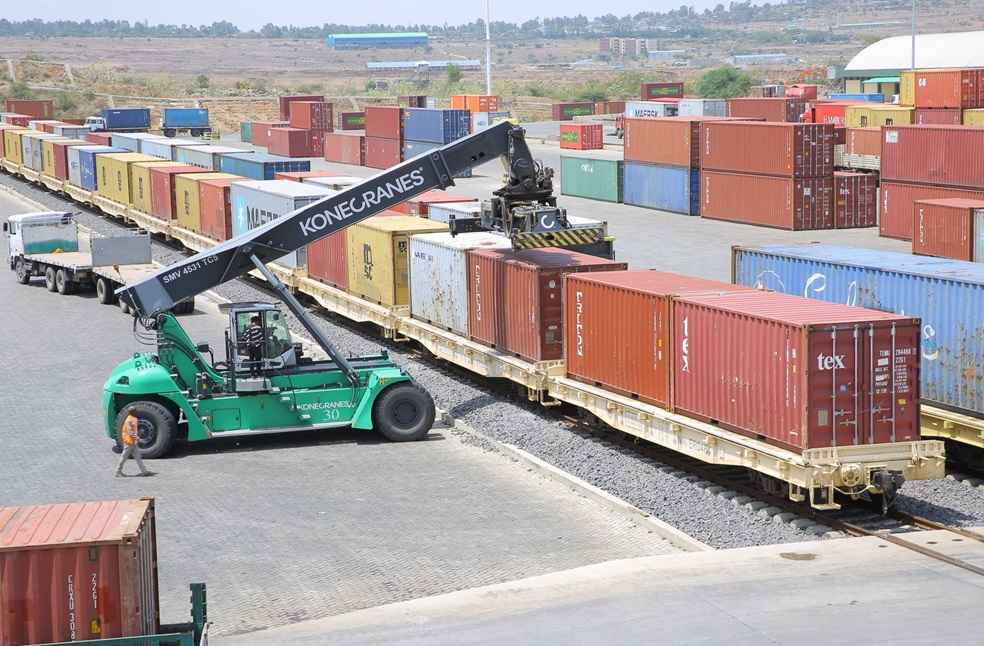
Any resulting downward rate pressure, however, is expected to materialize gradually as ports and services adjust to renewed flows.
The latest improvement comes at a time when the industry is balancing multiple market forces, including capacity discipline, seasonal demand patterns, geopolitical disruptions, and lingering effects from early-year cargo front-loading.
For now, carriers appear to be gaining the rate stability that has eluded them in recent months through targeted weekly adjustments.
BUSINESS GENERAL | Philippines Cuts Export Goals as Global Trade Risks Mount
