


The Gem & Jewellery Export Promotion Council (GJEPC) has urged the government to adopt structural tax and policy reforms to position India as a global diamond trading hub on the lines of Antwerp and Dubai, including the possible introduction of a carat-based tax model similar to Belgium.
In a representation submitted to Union Finance Minister Nirmala Sitharaman ahead of the Union Budget, the council outlined a series of recommendations aimed at strengthening the sector at a time when global demand pressures and trade disruptions are weighing on exports.
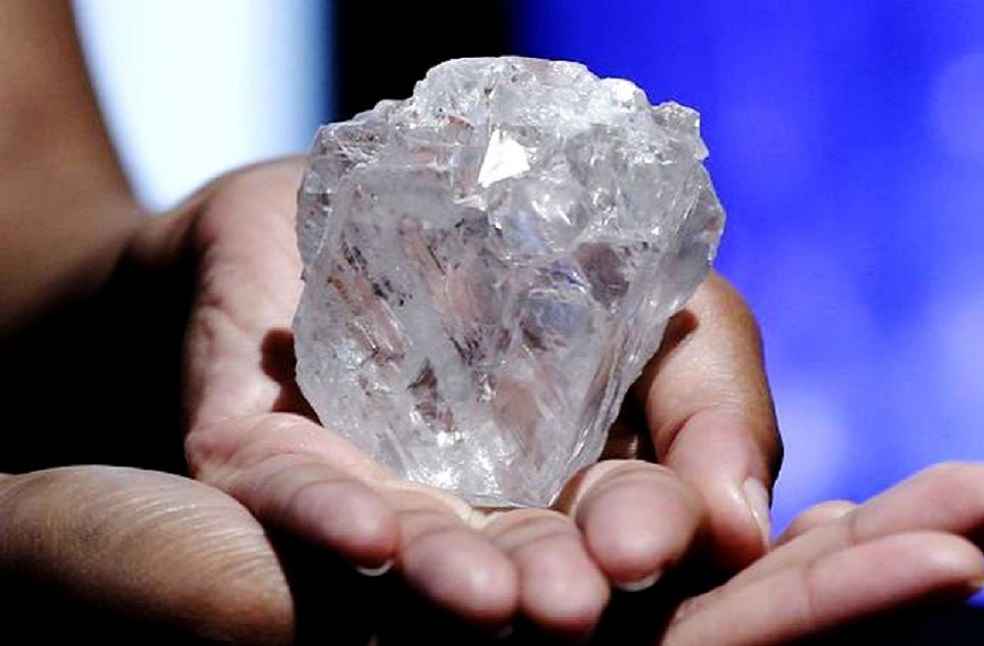
GJEPC said India already cuts and polishes around 90% of the world’s rough diamonds, but policy constraints continue to limit its ability to evolve into an international trading center.
It recommended a liberalized and predictable taxation regime for foreign mining companies operating in special notified zones, noting that the current 4% safe harbor tax is considered high and discourages international trading activity.

The council also sought permission for reputed global brokers to operate in India to improve transparency, liquidity, and international participation in the domestic market.
India’s gem and jewellery exports were valued at $28.7 billion in 2024–25 and remain a key contributor to foreign exchange earnings and employment. The industry faces multiple headwinds, including geopolitical uncertainties, the impact of U.S. tariff actions, slowing consumer demand in major markets, and rising competition from emerging manufacturing centers.
As part of efforts to diversify export markets and maintain cost competitiveness, GJEPC called for targeted duty rationalization and procedural reforms. It urged the government to rationalize import duties on cut and polished diamonds and coloured gemstones, arguing that current rules undermine export competitiveness.
Semi-processed diamonds imported from mining countries are classified as ‘cut and polished’ and attract a 5% basic customs duty, increasing costs for Indian exporters.
The council also highlighted that several rough gemstone-producing countries have restricted exports or imposed high duties, forcing Indian manufacturers to import finished gemstones. The existing 5% import duty on these stones further weakens India’s competitive position against rivals such as Thailand and China.
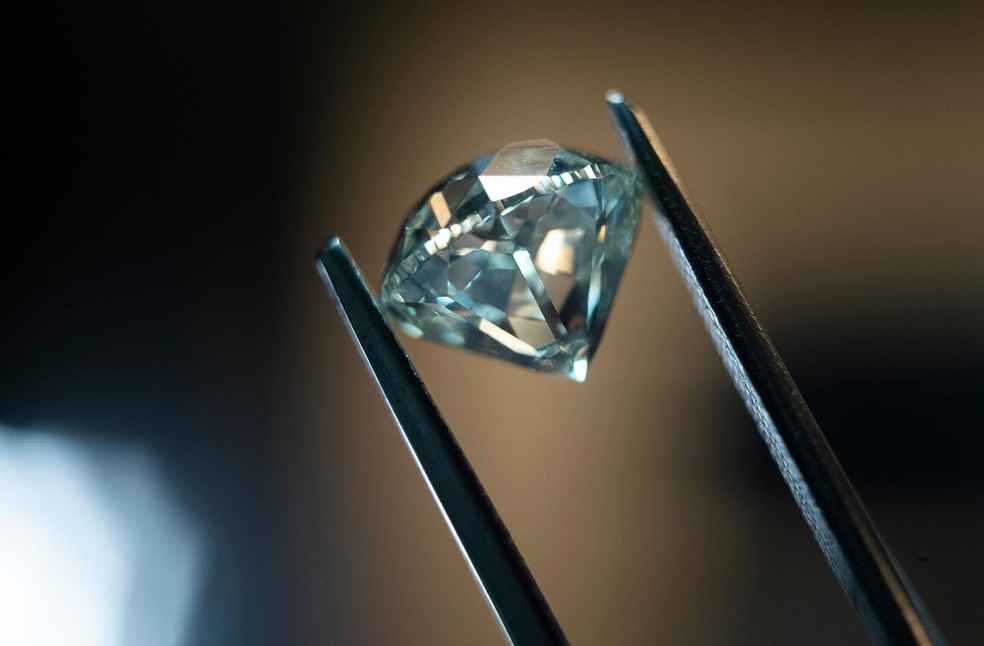
GJEPC recommended reducing duties on cut and polished diamonds and gemstones to 2.5% and abolishing duties on rough gemstones to sustain manufacturing activity, employment, and export growth.
To stabilize exporter earnings amid fluctuating metal prices, the council proposed replacing the current fixed-rate duty drawback system with an ad valorem, value-based mechanism. It also called for platinum jewellery and gold articles to be included under the duty drawback scheme.
Among other measures, GJEPC recommended the introduction of a comprehensive tax refund scheme for foreign tourists. At present, international buyers pay basic customs duty, agriculture infrastructure and development cess, and goods and services tax on jewellery purchases in India, but only the GST component is refundable. The council said a broader refund mechanism would make India more attractive to overseas shoppers.
GJEPC also sought the continuation of the existing duty exemption on imported lab-grown diamond seeds beyond March 2026, citing the need to support emerging segments of the industry.
The proposals are aimed at reinforcing India’s role in the global gem and jewellery value chain while addressing cost pressures, trade barriers, and intensifying international competition.
TRADE TECH | Trump Slaps 25% Tariff on Computing Chips, Citing Security
