



Ghana has reinforced its role in shaping international maritime policy through active participation in the 11th session of the International Maritime Organization’s (IMO) Sub-Committee on Carriage of Cargoes and Containers (CCC-11), held in London from 8–12 September 2025.
The technical committee, considered the IMO’s key regulatory body for cargo transport standards, placed major emphasis on container safety amid rising incidents of containers lost at sea. These losses present threats to global supply chains, marine environments, and port operational efficiency.
During the session, delegates finalized draft interim guidelines for ships using hydrogen as fuel, which are expected to secure approval at the IMO’s Maritime Safety Committee (MSC 111) in May 2026. Safety protocols for ammonia-fuelled vessels and updated cargo-securing standards also advanced.
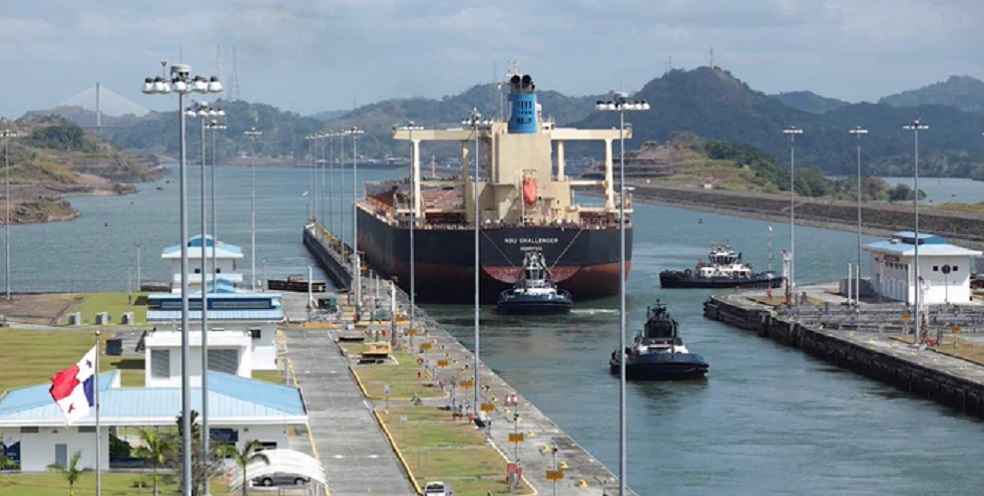
Key recommendations included revising cargo-securing manuals to incorporate harmonized performance standards for lashing software, strengthening inspection regimes for containers and securing gear, and enhancing stowage planning and operational guidance. Updates to the International Maritime Solid Bulk Cargoes Code and new safety guidelines for alternative fuels such as hydrogen and ammonia also reflected the industry’s transition toward cleaner energy while maintaining operational safety.
Particular focus was given to container loss prevention. Recent incidents of overboard losses in rough seas have exposed weaknesses in securing systems, with consequences ranging from economic disruption and increased operational costs to environmental hazards and navigation risks.
Prof. Gyampo stressed the national implications of these global standards, noting: “The global conversation on container safety is not just technical – it has a direct bearing on the competitiveness of our traders and the safety of our maritime space.”
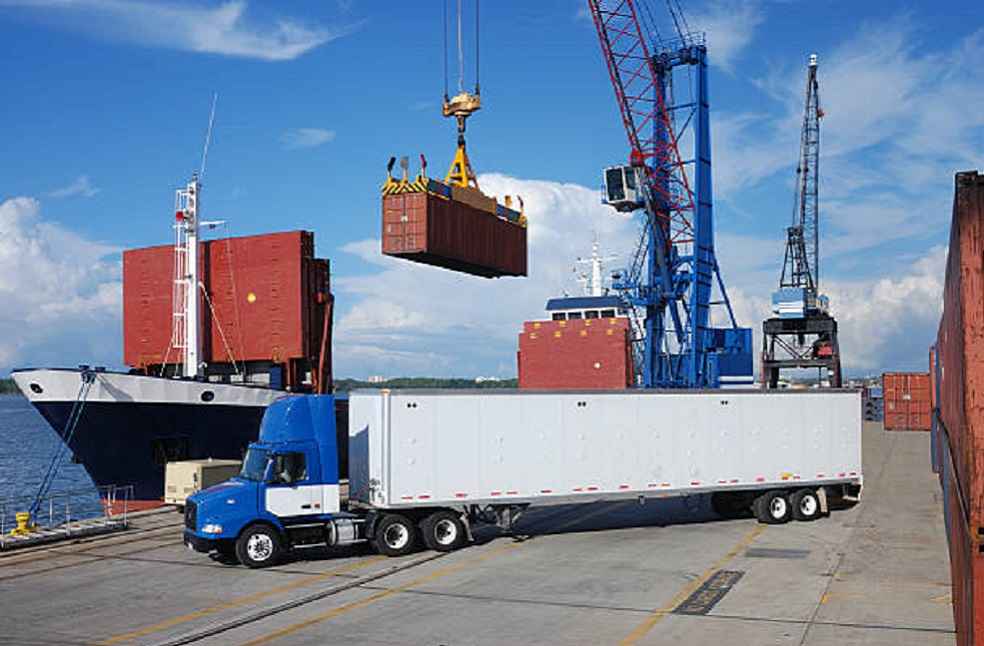
Ghana’s engagement highlights its growing maritime influence and commitment to international safety frameworks. As a nation reliant on seaborne trade, improved cargo handling and security protocols offer direct benefits to its economy. Updated bulk cargo handling standards are especially relevant for Ghana’s significant mineral and agricultural exports.
Technical advances discussed in London included improved inspection protocols for securing equipment, enhanced software for cargo planning systems, and updated training requirements for maritime personnel managing hazardous and bulk cargoes. Developments in lashing technology and stowage software further reflect the industry’s shift toward automation and advanced monitoring.
The recommendations from CCC-11 will be submitted to the IMO’s Maritime Safety Committee for formal adoption, after which they will become binding on international shipping. Ghana’s active participation ensures that West African perspectives and national economic interests are represented in the global rule-making process.
BANKING & FINANCE | Dollar Dominance Amplifies U.S. Shocks, BOK Warns
