


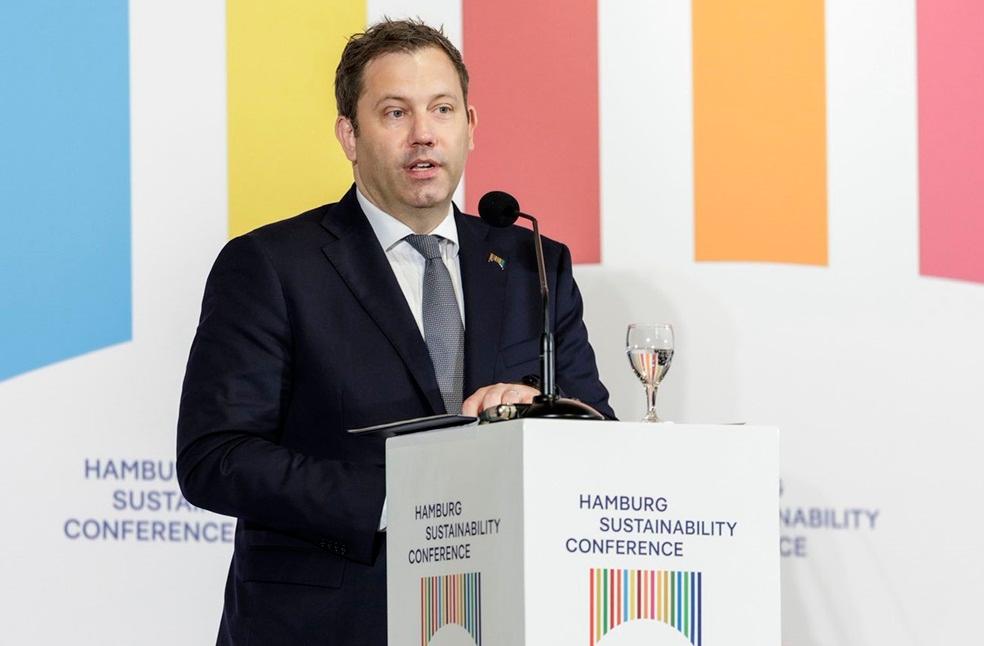
German Vice Chancellor and Finance Minister Lars Klingbeil has called for a complete ban on steel imports from Russia ahead of the upcoming ‘Steel Summit’ at the Chancellery.
Klingbeil, a member of the Social Democratic Party (SPD), contended that Russian-made raw steel slabs, later processed in the EU, continue to evade sanctions—a situation he described as hard to defend to Germany’s steel industry workers.
“You cannot explain to any worker in our steel industry that Europe is still keeping the market open for Putin,” Klingbeil stated.
Klingbeil emphasized the need to boost domestic production in Europe and prioritize climate-friendly, high-quality steel manufactured in Germany and across the continent. He also called for reducing reliance on foreign steel dumping and addressing global overcapacity.
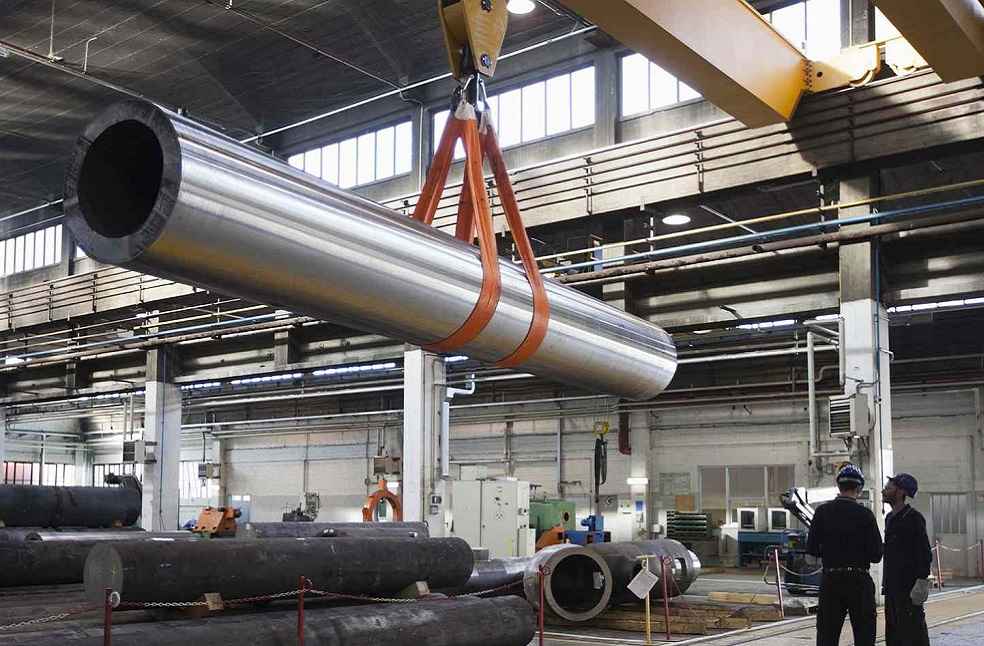
He added that a major point of discussion will be reducing energy costs through an industrial electricity pricing system.
The summit, scheduled for November 6 and organized by Chancellor Friedrich Merz, will gather industry leaders and state premiers from key steel-producing regions such as North Rhine-Westphalia, Lower Saxony, Brandenburg, and Saarland. Attendees will also include Economics Minister Katherina Reiche and Labor Minister Bärbel Bas.
As of October 2025, the European Union has implemented its 19th round of sanctions against Russia, including specific limitations on steel imports intended to weaken Russia’s war economy. However, these rules have not completely stopped shipments—especially raw materials and semi-finished goods—because of transitional quotas, exemptions, and potential loopholes.
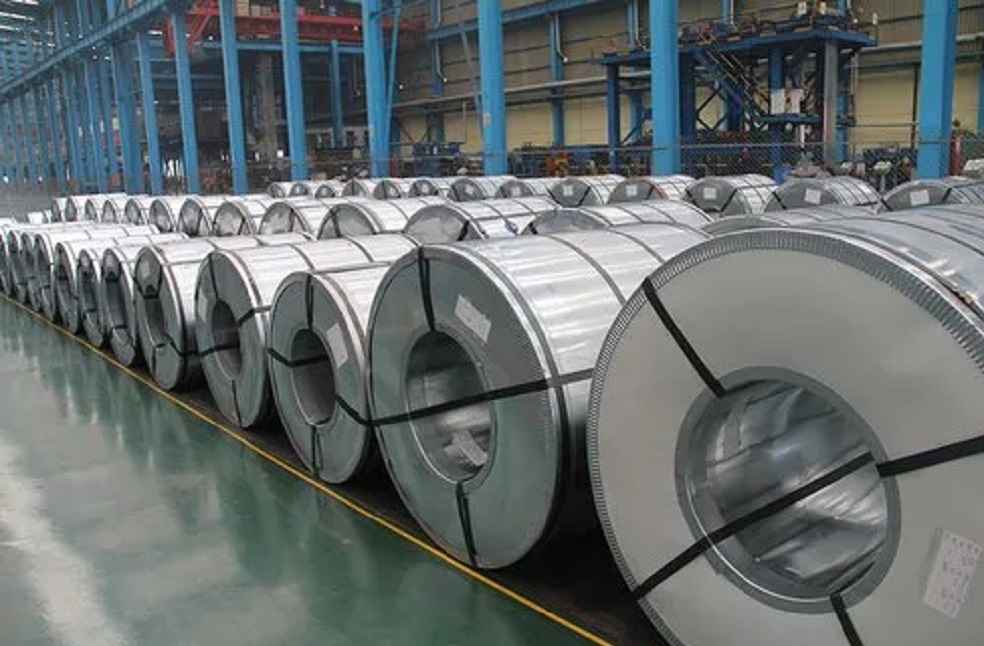
Despite sanctions, the EU continues to import significant volumes of Russian steel, fueled by low prices, industrial reliance, and quota exploitation. Germany’s industrial sector employs roughly eight million people, about half of whom work in steel-intensive industries like the automotive sector, according to the Steel Business Association. Over 80,000 individuals are directly employed in steel manufacturing, yet the industry faces increasing challenges.
In response, the SPD is advocating for ‘targeted tariffs’ and public procurement strategies that favor domestic and European steel production.
ENERGY INDUSTRY | China Cuts Imports of Russian Crude as U.S. Sanctions Hit Major Firms

