


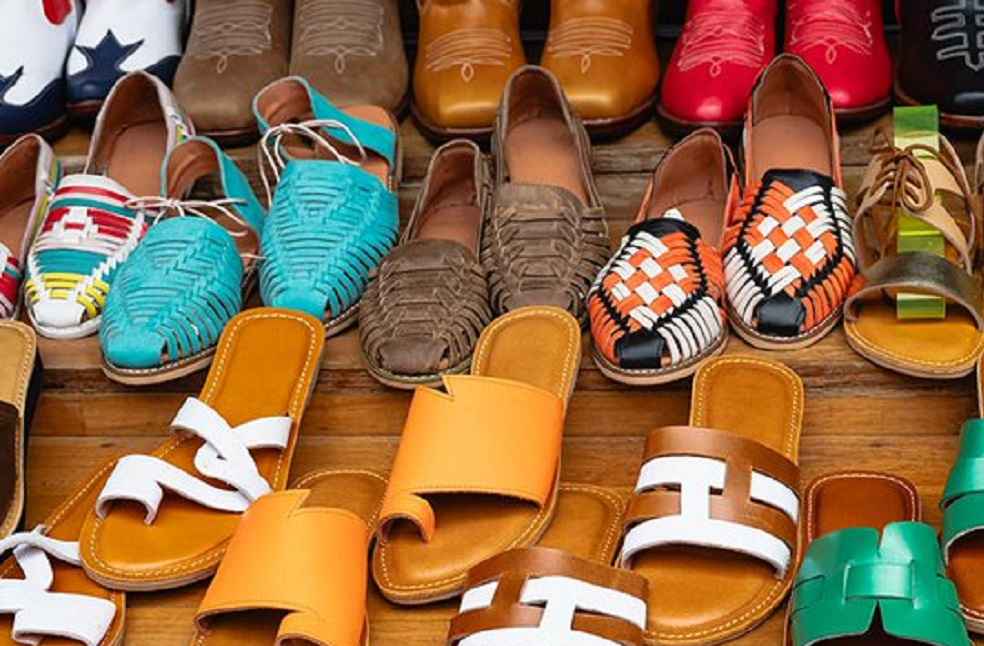
German footwear manufacturers posted moderate revenue growth in 2025, despite contrasting trends in domestic and foreign markets and ongoing structural pressures within the industry.
Data released by the German footwear association during the MICAM trade fair show that total sales reached €2.33 billion in 2025, up 3.2% from €2.25 billion in 2024. The increase was driven primarily by stronger performance in the domestic market, where sales rose 6% year on year to €1.73 billion.
In contrast, foreign sales declined by 5.9% to €493 million, highlighting continued volatility in international demand for German-made footwear.
Employment in the sector edged lower. The number of employees at companies with 50 or more staff fell by 1.8% to 9,124. Including smaller businesses, the industry employs approximately 15,500 people nationwide.
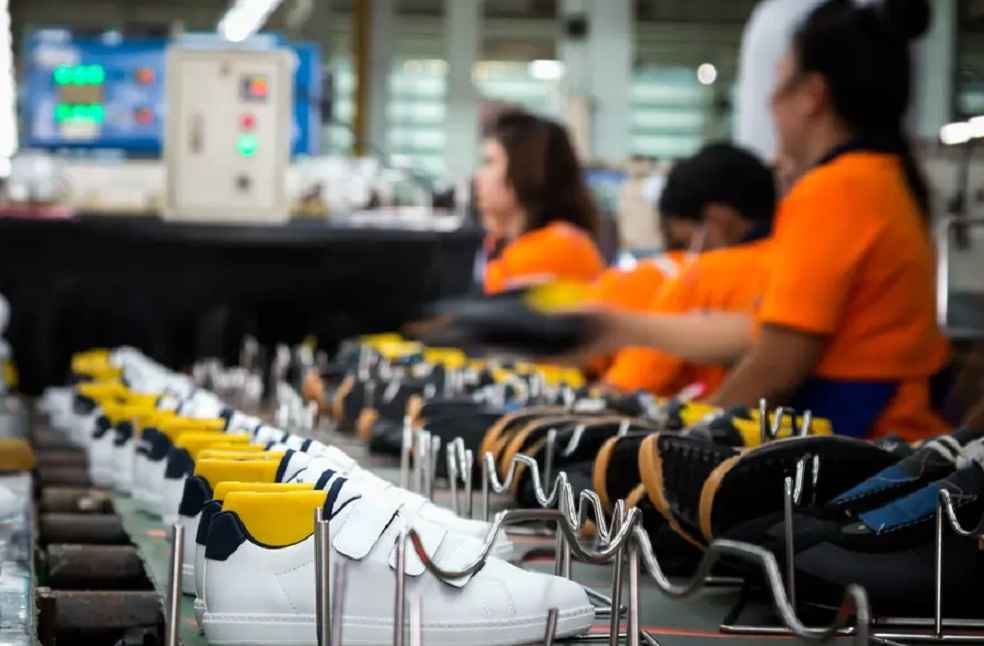
International trade dynamics
Germany exported 364.7 million pairs of shoes in 2025, with a total value of €10.6 billion, representing a 2% increase compared with 2024. Poland remained the leading destination, with 72.9 million pairs exported, an 8.1% rise year on year.
Export growth was also recorded to France, up 7.5%, Spain, up 15.1%, and Italy, up 1.5%.
At the same time, imports into Germany rose sharply. Shoe imports increased by 10.5% to 737.5 million pairs in 2025. Imports from China climbed 6.8%, while shipments from Vietnam and Indonesia rose by around 20% each.
By contrast, imports from India declined by 2.1% and from Bangladesh by 5.1%. Imports from European partners showed mixed but generally positive momentum, with Italy up 5.2%, Portugal up 16.7%, and Spain recording a 35% increase.
The trade data underline Germany’s dual role as both a significant exporter and a major importer within the global footwear market.
2026 outlook marked by caution
According to a business survey conducted by HDS/L, 40% of participating companies expect sales in 2026 to remain at 2025 levels. Stability is largely expected to be supported by international business, with half of the surveyed companies planning to maintain their export activity at current levels.
Companies flagged several risks that could weigh on performance. Three out of four respondents identified weak domestic demand as the biggest threat. In addition, 70% cited the broader economic policy framework and bureaucratic requirements as risks to their development over the next six months.
The World Footwear 2025 Yearbook noted that Germany’s relatively small domestic footwear manufacturing base, concentrated mainly in Rhineland-Palatinate, faced difficulties in 2024 amid an economic slowdown and changing consumer behavior.
While 2025 delivered modest growth, the sector enters 2026 navigating structural challenges, shifting trade patterns, and persistent uncertainty in both domestic and international markets.
GLOBAL ROUNDUP | Vietnam Warns Middle East Conflict May Disrupt Trade
