



Efforts to strengthen transport connectivity in Gansu Province could create new logistical pathways that support European exports to China over the coming years, as regional infrastructure planning increasingly links major Eurasian trade routes.
Recommendations for Gansu’s 15th Five-Year Plan for economic and social development, covering the 2026–2030 period, call for closer integration between the China-Europe Railway Express and the New International Land-Sea Trade Corridor, both of which pass through the province.
While the initiative is not designed exclusively for Europe, the enhanced connectivity is expected to intersect with European trade participants in multiple ways, potentially expanding commercial opportunities.
From January 1 to November 19 this year, a total of 10,131 China-Europe and Asia-bound freight trains were handled at the Lanzhou North railway station, marking the first time the annual volume has exceeded 10,000 trains.
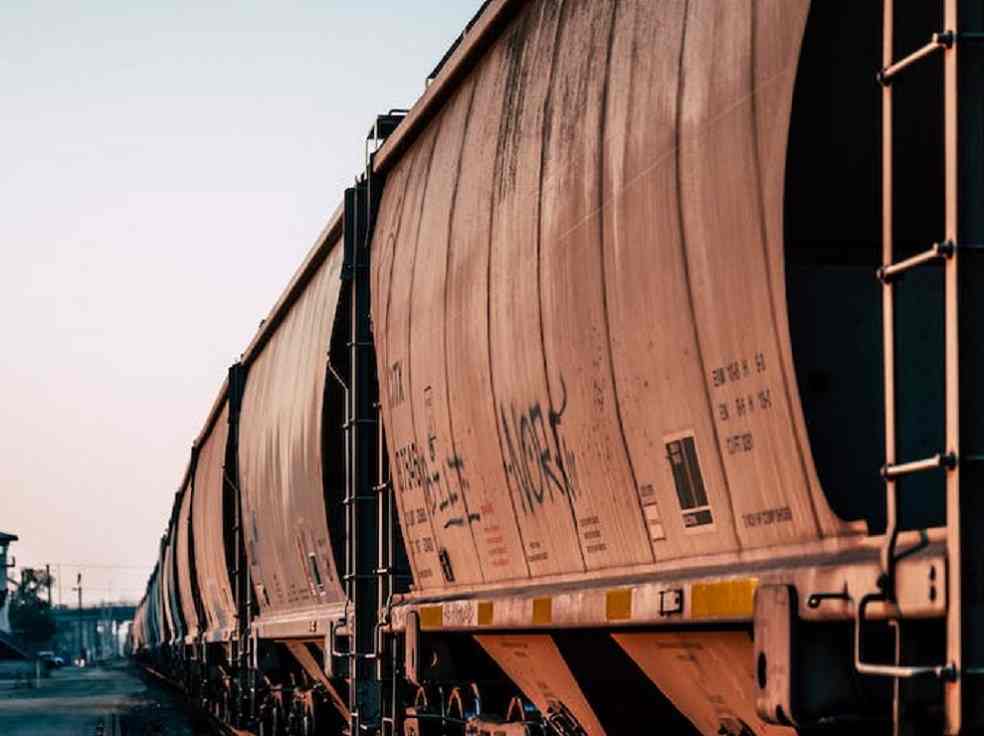
These services have carried substantial volumes of goods from Eurasian economies into China, supporting export growth from participating countries and regions.
Over the next five years, as links between the railway express service and the land-sea corridor deepen, imported goods are expected to reach a wider range of markets along the corridor.
This could create additional commercial touchpoints for exporters, including European firms, by extending access beyond China’s coastal hubs into inland western regions and onward to Southeast Asia.
Gansu was among the earliest Chinese provinces to take part in building the New International Land-Sea Trade Corridor. The corridor connects western China through an integrated rail, road, and maritime network, extending south via Guangxi, Yunnan, and other provinces to international markets.
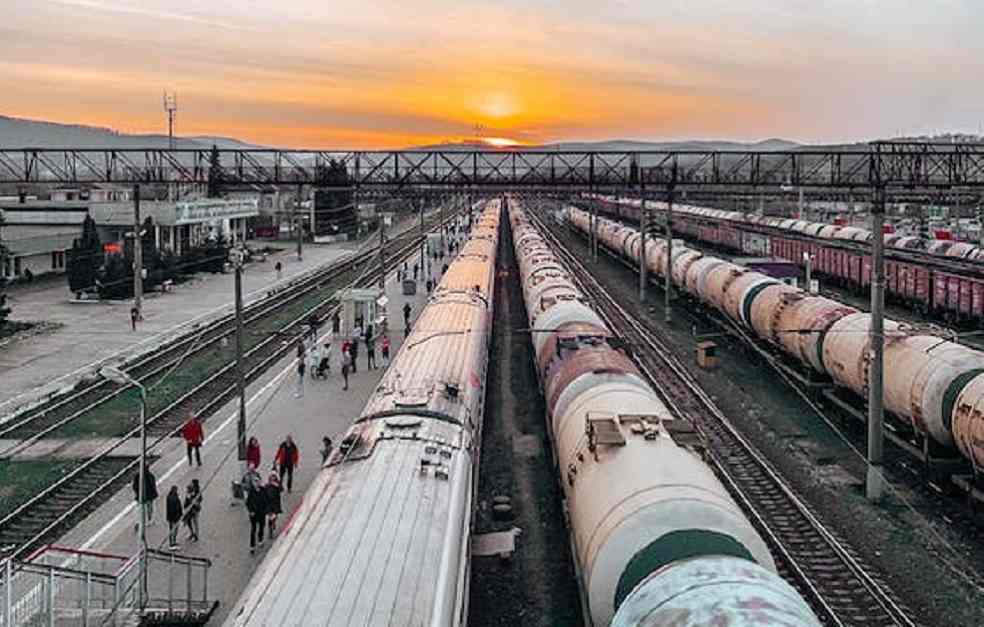
Strengthening its connection with the China-Europe Railway Express is viewed as a way to add capacity and flexibility rather than replace existing routes, offering exporters more options for reaching diverse markets.
Closer integration of the two routes is also contributing to a more resilient Eurasian transport network at a time when supply chains are becoming increasingly complex. Production processes often span multiple countries, with components manufactured in different locations before final assembly.
Improved connectivity can facilitate this fragmentation of production, enabling smoother movement of intermediate and finished goods and supporting deeper economic cooperation across the region.
Developments in Gansu form part of a broader pattern. Both the China-Europe Railway Express and the New International Land-Sea Trade Corridor run through several Chinese provinces, each working to upgrade transport infrastructure.
In June, for example, an ASEAN Express carrying maternal and infant products, cosmetics, and medical supplies departed Duisburg, passed through Chongqing, and reached ASEAN destinations such as Thailand in about 19 days.
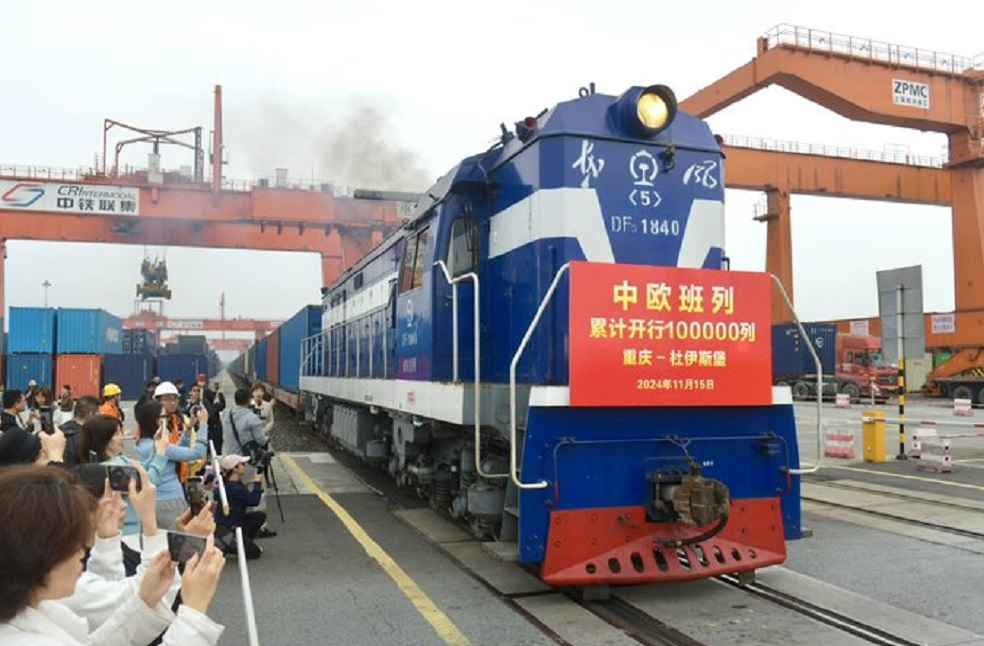
The service demonstrated how the two routes can be combined, achieving transport efficiency reportedly more than 50% higher than conventional maritime shipping.
In recent years, China’s central and western provinces have also introduced supporting measures such as streamlined customs procedures to complement physical infrastructure upgrades.
Together, these efforts are helping to optimize Eurasian transport networks and reflect a wider push toward high-level opening-up and deeper integration into global supply chains. For international partners, including European exporters, this has translated into new logistical options and potential market access.
While the immediate impact of these measures on Eurasian trade volumes may be difficult to quantify, the continued development of transport networks is expected to generate additional commercial opportunities. If fully utilized, the expanded connectivity could support European exports not only to China but also to other parts of Asia.
The experience of Gansu highlights the evolving nature of China-Europe trade ties. Often more nuanced than portrayed in some Western narratives, these ties are shaped by emerging routes, new business models, and shifting supply chain linkages.
POLICY & LAW | China Passes Revised Foreign Trade Law to Bolster Trade Powers
