
The Federation of Indian Export Organizations has urged the government to use the upcoming Union Budget to provide strong policy and fiscal support for building global-scale Indian shipping lines, saying the move could save the country an estimated $40–50 billion annually in freight outflows.
FIEO president S C Ralhan said India’s heavy dependence on foreign shipping lines exposes exporters to high freight costs, supply disruptions, and volatility in global shipping rates, while the absence of strong domestic carriers weakens the country’s trade resilience and bargaining power.
Nearly 91% of India’s export-import cargo is currently carried by foreign vessels. Industry estimates suggest that India pays about $100–110 billion annually in freight charges to overseas shipping lines, of which exports account for roughly $50–55 billion.
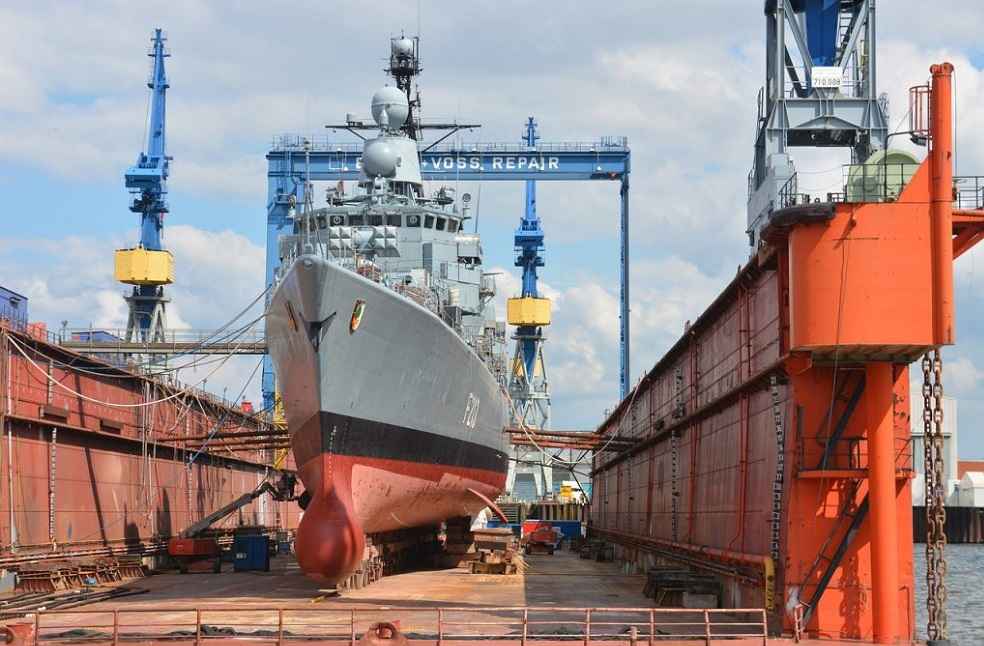
The Union Cabinet has already approved a Rs 69,725 crore package to revitalize the maritime sector, including assistance for shipbuilding, but FIEO said additional steps are needed to build competitive Indian carriers. These include access to long-term financing, viability gap funding, and supportive regulatory measures.
In its pre-Budget recommendations, FIEO also called for correcting inverted duty structures in sectors such as textiles, electronics, and leather, where import duties on inputs are higher than those on finished goods.
The organization pointed out that synthetic yarns and fibers attract higher customs duties than finished fabrics and garments, while electronic components such as printed circuit boards, connectors, and sub-assemblies face higher duties than imported finished electronics.
Similar anomalies exist in chemicals and plastics, where raw chemicals and polymers attract higher duties than downstream products, as well as in leather and footwear, where components and accessories are taxed more than finished footwear.

Ralhan said correcting these duty distortions by lowering or restructuring tariffs on raw materials would reduce production costs, ease working capital pressures, encourage domestic manufacturing, and strengthen India’s export competitiveness.
FIEO has also proposed tax incentives to support exporters, including a 200% tax deduction on expenditure related to overseas marketing, branding, trade fairs, buyer meets, and promotional activities, which would particularly benefit MSME exporters.
It further suggested extending the 15% concessional corporate tax rate for new domestic manufacturing units for at least five years beyond the earlier cut-off date of March 31, 2024.
Separately, the Engineering Export Promotion Council recommended reducing income tax for all non-corporate manufacturing MSMEs to 25% and releasing 90% of GST refunds immediately.
EEPC chairman Pankaj Chadha said non-corporate manufacturing MSMEs currently pay close to 33% tax, including surcharge and cess, creating an 8–9% point disadvantage compared with corporate entities.
METAL WORLD | Pakistan and Canada Seek Deeper Mineral Ties as Reko Diq Advances