


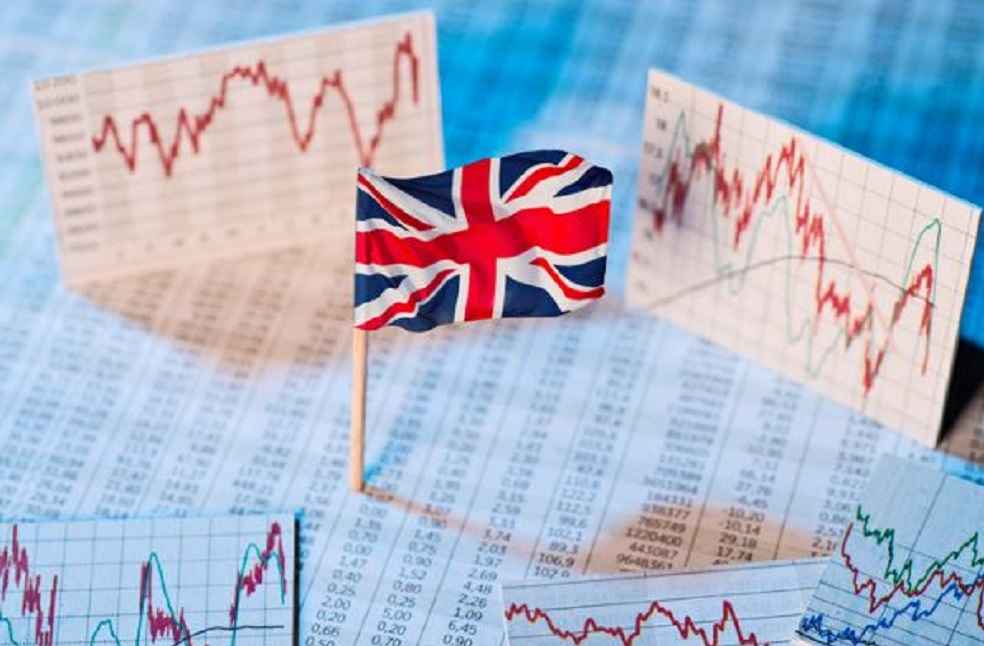
European stock markets showed modest gains on Wednesday despite continued volatility in global energy markets as geopolitical tensions in the Middle East raised concerns about prolonged disruption to oil and gas supplies.
In London, the FTSE 100 index rose 0.65%, supported by similar gains across major European markets in Germany and France. The performance contrasted sharply with Asian markets, where shares declined for a third consecutive day amid growing concerns over energy supply risks linked to the conflict between the United States, Israel, and Iran.
South Korea and Thailand temporarily halted trading after their markets plunged more than 8%, triggering circuit breakers designed to prevent panic selling. South Korea’s benchmark Kospi index later closed 12% lower, marking one of its steepest declines in decades. Japan’s Nikkei 225 fell 3.6%, while Hong Kong’s Hang Seng index dropped 2.5%.
Energy markets remained highly volatile as geopolitical tensions intensified. Oil prices climbed more than 1% to about $83.50 a barrel after Saudi Arabia reported an attempted drone attack on the Ras Tanura oil refinery, the second such incident within a week. Brent crude has risen roughly 15% since the United States and Israel launched military strikes against Iran over the weekend, prompting retaliatory attacks by Tehran.

Gas markets also experienced sharp fluctuations. Prices hovered around 127 pence per therm by midday Wednesday, down from Tuesday’s peak of about 170 pence but still reflecting heightened uncertainty.
Supply concerns have intensified as vessels operating near the Strait of Hormuz came under attack. The strategic waterway between Iran and the United Arab Emirates normally handles about one fifth of global oil and gas shipments. Maritime traffic has slowed significantly following threats from Iran to target vessels in the region.
The UK Maritime Trade Operations Center reported that a ship in the strait was struck by an unidentified projectile, causing a fire in its engine room. A separate vessel near the UAE was also hit earlier, with authorities investigating both incidents.
According to maritime data provider Lloyd’s List Intelligence, around 200 oil tankers have effectively been stranded in the region as shipping companies reassess security risks. Insurance premiums for vessels associated with the United States, the United Kingdom, and Israel have also risen sharply.
In response to the escalating risks, U.S. President Donald Trump said the United States could provide risk insurance at “a very reasonable price” and deploy naval protection for oil tankers if required. However, analysts warned that such assurances may not be sufficient to restore shipping confidence.

Lindsay James, investment strategist at wealth management firm Quilter, said European market stability may partly reflect optimism following the president’s comments. She cautioned that reopening shipping routes through the Strait of Hormuz would be difficult without a broader political resolution.
Shipping companies, insurers, and crews may remain reluctant to operate in the region despite potential naval escorts, she said, adding that a diplomatic agreement would likely be required to restore normal energy flows.
U.S. Treasury Secretary Scott Bessent sought to calm markets, saying global crude supplies remain adequate and that further policy announcements were expected.
Energy analysts also noted that disruptions to liquefied natural gas supplies could have wider global effects. State-owned QatarEnergy has suspended LNG production, and about 80% of Qatar’s LNG exports typically go to Asian markets.
James Hosie, oil and gas equity analyst at Shore Capital, said Asian buyers were already bidding higher for LNG cargoes to secure alternative supplies, contributing to rising prices in the region and creating knock-on effects for gas markets elsewhere, including the United Kingdom.
Despite the current volatility, analysts noted that major oil reserves held by countries such as the United States and China could help cushion supply disruptions. However, the duration of the conflict remains a critical uncertainty.
Rising energy costs could also influence inflation in the UK. David Miles, a member of the Office for Budget Responsibility committee, said sustained increases in oil and gas prices could push consumer prices modestly higher.
He estimated that if current price levels persist, the impact on UK inflation could be around one percent, significantly smaller than the surge seen following Russia’s invasion of Ukraine in 2022.
The UK government is monitoring the situation closely. Chancellor Rachel Reeves is scheduled to meet North Sea energy industry leaders to discuss the implications of the Middle East conflict and explore measures to manage potential supply disruptions.
Financial markets are also watching how the developments could affect monetary policy. Investors had expected the Bank of England to reduce interest rates twice this year as inflation gradually eased, although price growth remains above the central bank’s 2% target.
Analysts warn that renewed inflationary pressure from energy costs could delay those expected rate cuts. The Bank of England is scheduled to announce its next interest rate decision on March 19.
BUSINESS GENERAL | Middle East War Disrupts India’s Gems and Jewellery Trade