
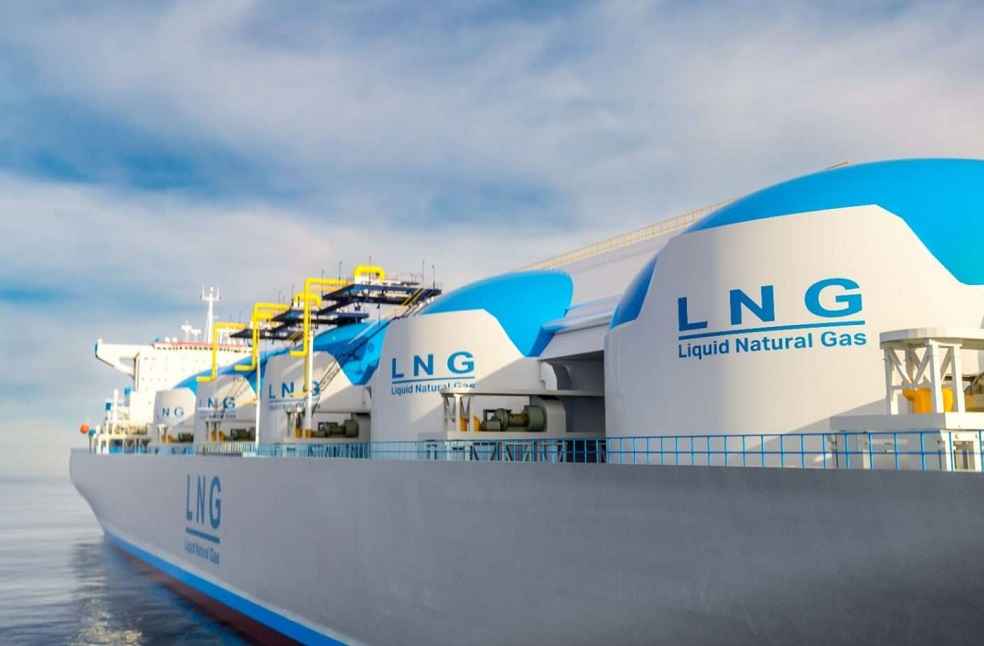
The escalating conflict between Israel and Iran is raising serious concerns over global energy security, with Europe increasingly vulnerable to disruptions in liquefied natural gas (LNG) and oil supplies. As geopolitical tensions intensify, markets are already pricing in risks to global fuel flows, particularly through the Strait of Hormuz, a strategic chokepoint for a third of global oil and a fifth of LNG shipments.
European energy prices are surging amid fears that gas fields, especially the Iran-Qatar shared South Pars field, could be targeted. The Dutch TTF, Europe’s main gas benchmark, rose to a three-month high near €41/MWh. Though the EU currently has sufficient LNG reserves and diversified sources, including Norway, the U.S., and Algeria, its continued shift away from Russian gas has increased dependence on Middle Eastern supplies, particularly from Qatar.
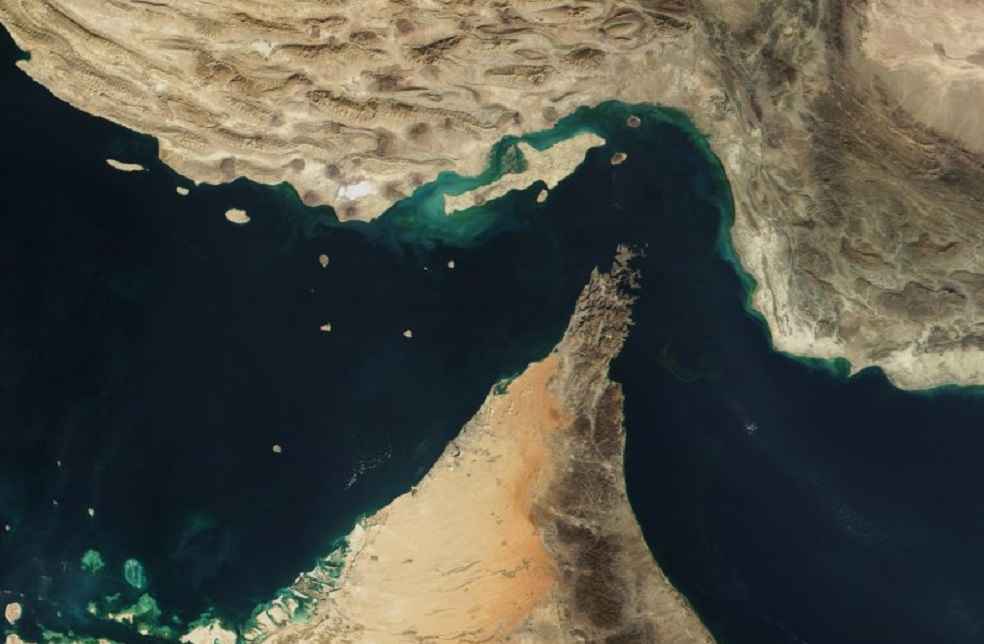
Insurance costs for ships navigating the Strait have risen sharply, while some LNG exporters, including Qatar, are delaying shipments. Frontline, the world’s largest publicly listed oil tanker firm, has already refused new contracts through the region. Iran, while reliant on Hormuz for its own exports to India and China, has not moved to close the passage. Yet, even the risk of disruption is inflating global oil prices, which have risen over 10% since Israel’s June 13 strikes on Iran’s nuclear and military infrastructure.
The conflict is adding pressure on inflation and central bank decisions. European and U.S. monetary authorities have halted planned interest rate cuts, concerned that persistent energy price shocks could drive inflation above target levels. Summer heatwaves in Europe are further raising energy demand for cooling, compounding the strain.
According to energy experts, any constraint on LNG transit will quickly affect Europe’s manufacturing sector. Countries like Belgium, Italy, and Poland, heavily reliant on Qatari LNG, are especially exposed.

At the global level, Iran’s energy infrastructure remains at risk. The country produces 3.8 million barrels of oil daily but exports just 1.5 million barrels due to sanctions, mostly to China and India. Any interruption could force China to seek alternatives, pushing prices even higher and straining global supply chains.
With overlapping pressures from energy risks and ongoing U.S. trade tensions, Europe faces a complex economic landscape. Industry leaders warn that sudden cost increases, shipping delays, and product shrinkage could trigger wider economic pain.
Experts fear that a broader regional escalation involving European powers like the UK or France could push the situation into uncharted territory. As uncertainty grips the global energy and economic outlook, volatility appears set to continue.
GLOBAL ROUNDUP | India and Russia Aim for $100 Billion Trade Goal at SPIEF 2025