
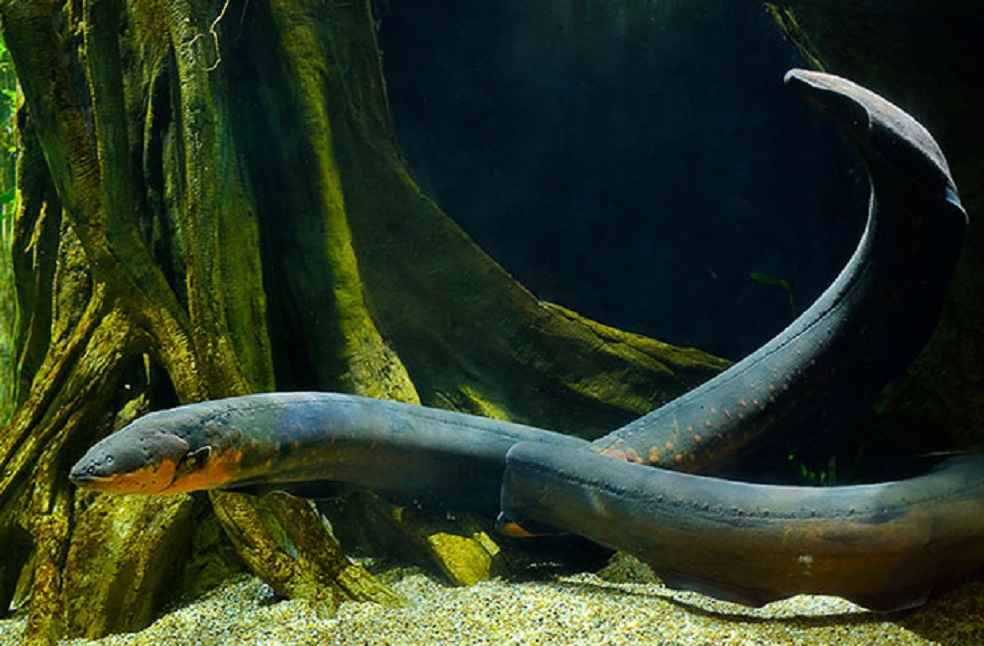
Facing strong opposition from Japan, the European Union has formally submitted a proposal to impose global export restrictions on all eel species under the Washington Convention on International Trade in Endangered Species of Wild Fauna and Flora (CITES).
The proposal, if adopted at the upcoming Conference of the Parties to the Convention on International Trade in CITES in Uzbekistan later this year, would take effect in June 2027. It mandates that exporting countries provide proof of legal capture and obtain an export permit for species, including the Japanese eel.
Japanese Minister of Agriculture, Forestry and Fisheries, Shinjiro Koizumi, criticized the move as “extremely regrettable,” insisting at a press conference in Tokyo that Japanese eel populations are stable and not at risk of extinction.
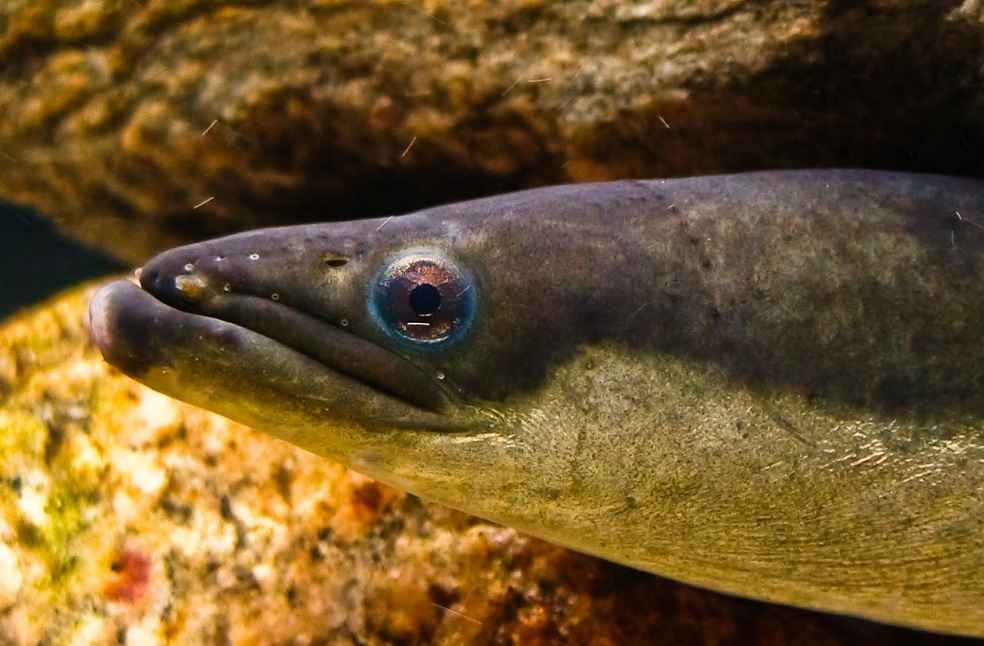
For the proposal to pass, it must secure support from at least two-thirds of the voting parties at the CITES conference, scheduled between late November and early December. While CITES proposals typically take effect within three months, the EU is recommending an 18-month delay for implementation.
Japan is expected to align with China and South Korea, its key partners in the eel trade, to oppose the measure. Informal talks among Japan, China, South Korea, and Taiwan were held in Hamamatsu, Shizuoka Prefecture, on June 19–20 to coordinate their stance.
The EU argues that Japanese eel stocks have suffered a sharp decline, justifying the need for tighter regulation. Japan maintains that eel populations have been recovering since the 1990s, supported by advancements in aquaculture that reduce dependence on wild-caught juvenile eels, known as glass eels.

Tokyo also raised concerns that the proposed restrictions could inflate glass eel prices and potentially encourage poaching and smuggling.
Under CITES, species listed in Appendix I are generally banned from commercial international trade, while Appendix II includes species that are not necessarily endangered but could become so without strict regulation.
The EU’s proposal seeks to include all 19 known eel species and subspecies in Appendix II, covering not only live glass eels but also processed products such as kabayaki, a popular grilled eel dish. The European eel has already been under Appendix II restrictions since 2007.
STOCK MARKET | Nike to Raise Prices as China Tariffs Impact Costs and Sales