


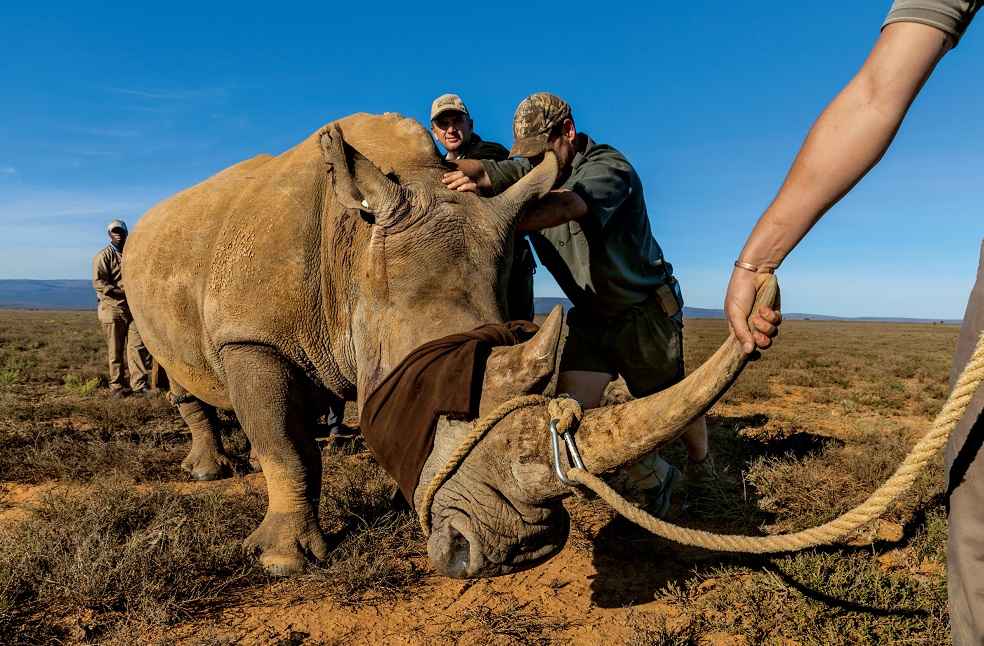
Thousands of illegal wildlife products were seized across the European Union in 2023, highlighting the region’s ongoing role in global trafficking, according to a new report by TRAFFIC, a wildlife trade monitoring network. The seized items largely included critically endangered European eels, timber, and medicinal plants, indicating the EU’s ongoing position as a key transit and destination region in the illicit wildlife trade.
Valued at approximately $23 billion annually, illegal wildlife trade is a major driver of biodiversity loss and organized transnational crime, according to the United Nations. TRAFFIC’s report calls for urgent enforcement measures, stronger public awareness, and international collaboration to curb the trade’s growth.
Drawing from seizure data collected through the European Trade in Wildlife Information eXchange (EU-TWIX), which compiles records from 34 European nations, the report revealed that over one million specimens were seized in 2023. These included more than 600,000 live animals and 10,000 live plants, covering at least 574 CITES-listed species, 489 animal and 85 plant species.

TRAFFIC’s European program director, Anastasiya Timoshyna, noted that wildlife trafficking remains widespread across EU Member States, with both individuals and commercial actors smuggling protected species and their derivatives into, out of, and through the EU.
Germany, France, the Netherlands, and Spain accounted for nearly 75% of all reported seizures. While most shipments were intended for EU markets (86%), some were bound for destinations including the United States and the United Kingdom. Key countries of origin included Thailand, mainland China, India, Ukraine, and the United States. Air transport, mail, and sea freight were the most common trafficking methods.
Seizure counts increased from around 4,550 in 2022 but remained below the 2019 pre-pandemic high of 6,150. TRAFFIC emphasized that while seizure data does not reflect the full extent of illegal activity, it offers essential insight into trafficking patterns and helps authorities shape targeted responses.

European eels (Anguilla anguilla), prized in East Asian cuisine, topped the list in terms of specimen numbers, with one million individuals seized. Portugal, Spain, and France were responsible for the majority of live eel confiscations, while shipment destinations included France, China, and Senegal.
In terms of volume, timber led all categories, with more than 33,000 cubic meters seized — much of it comprised of rosewood species such as Dalbergia sissoo and Dalbergia nigra, sourced primarily from India and Madagascar. Timber from the genus Cedrela, including several cedar species, saw a notable increase, making up 15% of timber seizures compared to 12% the previous year.
Other commonly seized items included plant-based traditional medicines, live birds, reptiles, and corals. Around 28% of fauna-related seizures were linked to the illegal exotic pet trade, while the rest were trafficked for food, medicinal use, ornaments, and commercial purposes.

Louisa Musing, TRAFFIC’s senior program officer for Europe, described the findings as evidence of both ongoing threats and rapidly changing trends in illegal wildlife trade, calling for stronger enforcement, legislative action, and public education across EU nations.
The International Fund for Animal Welfare (IFAW), though not involved in the report, echoed the concerns. Christian Plowman, IFAW’s wildlife cybercrime program manager, noted that the seizures represent only a fraction of the broader problem, describing the EU as a continued hotspot for online and offline wildlife trafficking.
He also highlighted the role of the EU Digital Services Act, which fully came into force in February 2024, in tackling illegal online wildlife trade. Under this legislation, watchdog groups like IFAW act as ‘trusted flaggers,’ working directly with digital platforms to report and remove illegal wildlife sales. “We’re seeing a booming market for live pets and illegal wildlife products,” Plowman stated.
IMEX SECTOR | Morocco Sets Raspberry Export Record to Middle East
