


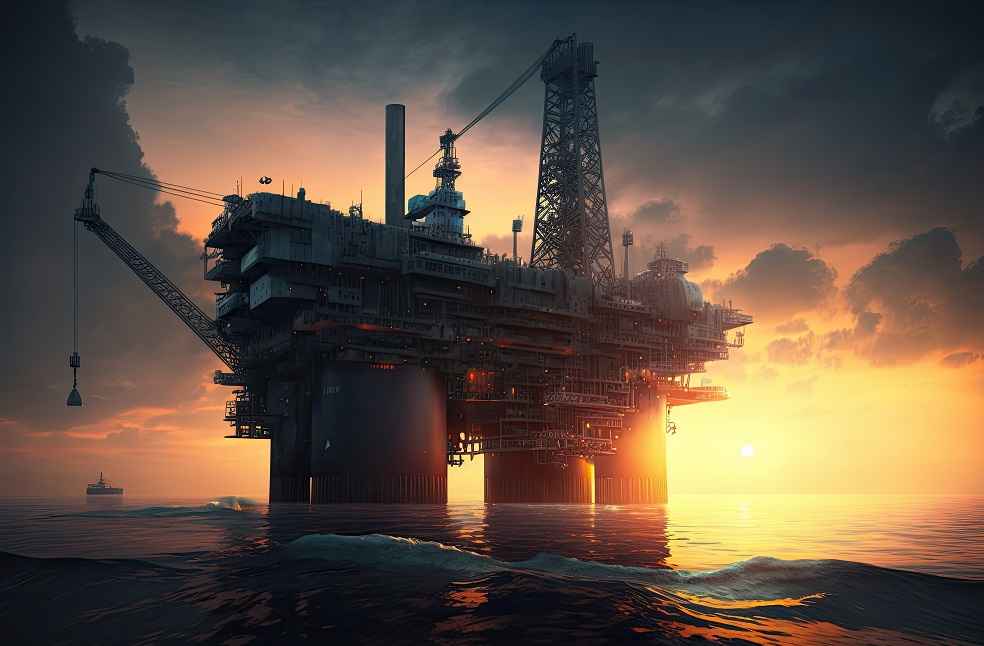
The European Union has reached an agreement to phase out all Russian gas imports by November 2027.
The provisional deal, declared on Wednesday, was reached between the European Parliament and the bloc’s member states, establishing a clear deadline to dismantle Europe’s reliance on Russian energy.
The deal was finalized during overnight discussions between EU institutions and national governments, concluding months of talks on the pace of the bloc’s separation from Russian energy. This represents a major step to limit Moscow’s energy revenue as the conflict in Ukraine nears its fourth year.
“We’ve made it: Europe is turning off the tap on Russian gas, forever,” EU energy commissioner, Dan Jorgensen, wrote on X, adding, “No more blackmail. No more market manipulation by Putin. We stand strong with Ukraine.”
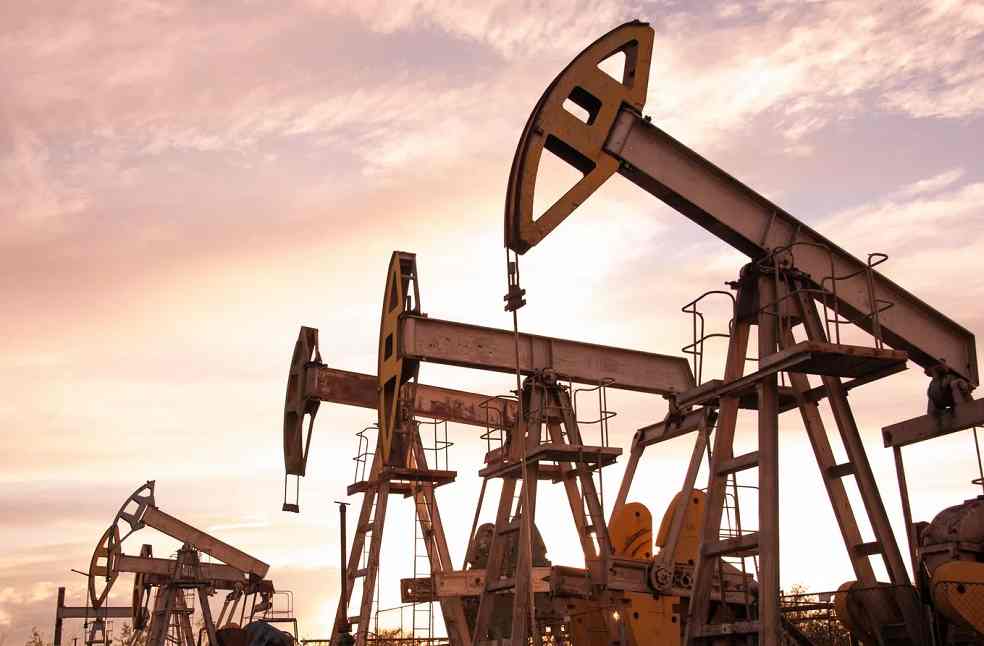
According to the agreement, long-term pipeline contracts, often binding buyers for decades, will be prohibited beginning September 30, 2027, and in any case no later than November 2027. Meanwhile, Long-term liquefied natural gas contracts face an earlier ban, starting January 1, 2027.
Shorter-term arrangements will be eliminated in 2026, with LNG contracts ending on April 25 and pipeline gas contracts on June 17.
The European Council stated that the timeline is designed to cut reliance on Russian energy after Russia used gas supplies as a weapon, which disrupted markets and drove prices up across the bloc.
European companies will also have the option to invoke force majeure to terminate existing contracts once the ban is in place.
The deal still requires formal approval from both the European Parliament and the governments of member states.
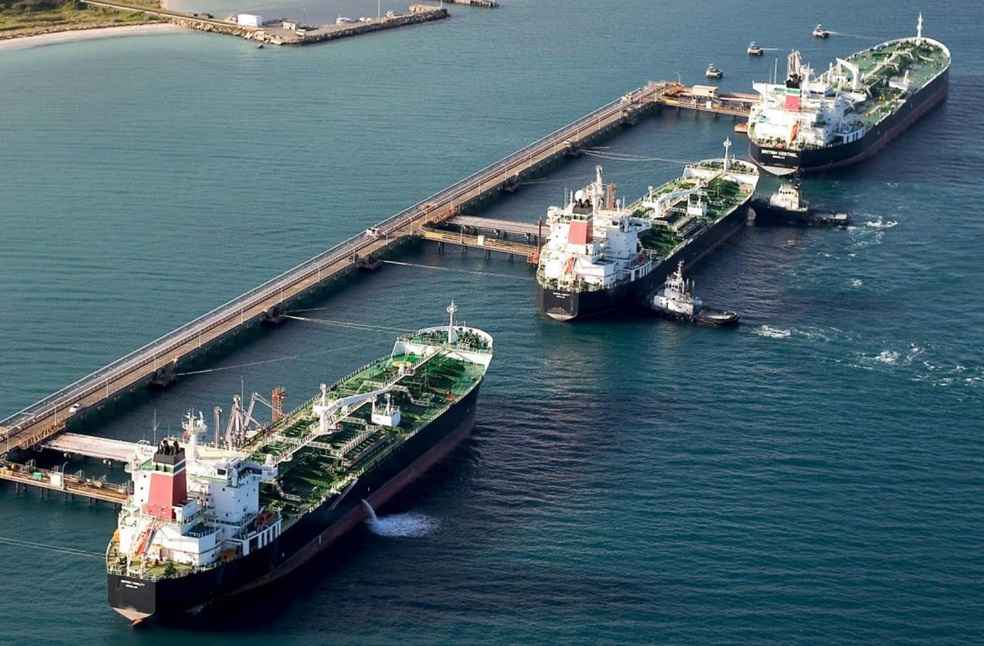
Under the deal, the European Commission will prepare a plan to halt Russian oil imports to Hungary and Slovakia by late 2027. These two landlocked nations had received exemptions from the oil embargo that the EU introduced in 2022.
Hungarian Prime Minister Viktor Orbán, who met with President Vladimir Putin at the Kremlin last week, has continued indicating his intention to purchase Russian energy.
The proportion of Russian gas in EU imports has declined steeply since Russia’s 2022 invasion of Ukraine, falling from 45% in 2021 to roughly 19% this year.
Although pipeline supplies dropped significantly, Europe boosted purchases of Russian liquefied natural gas, transported by sea and processed at EU ports. In 2024, Russia accounted for about 20% of the bloc’s LNG imports, ranking behind only the United States.
POLICY & LAW | UN Adds Australian Leaf-Tailed Geckos to Trade Protections