


The European Union has delayed signing a major free-trade pact with South American countries after farmer protests and renewed opposition from France and Italy threw the agreement into doubt.
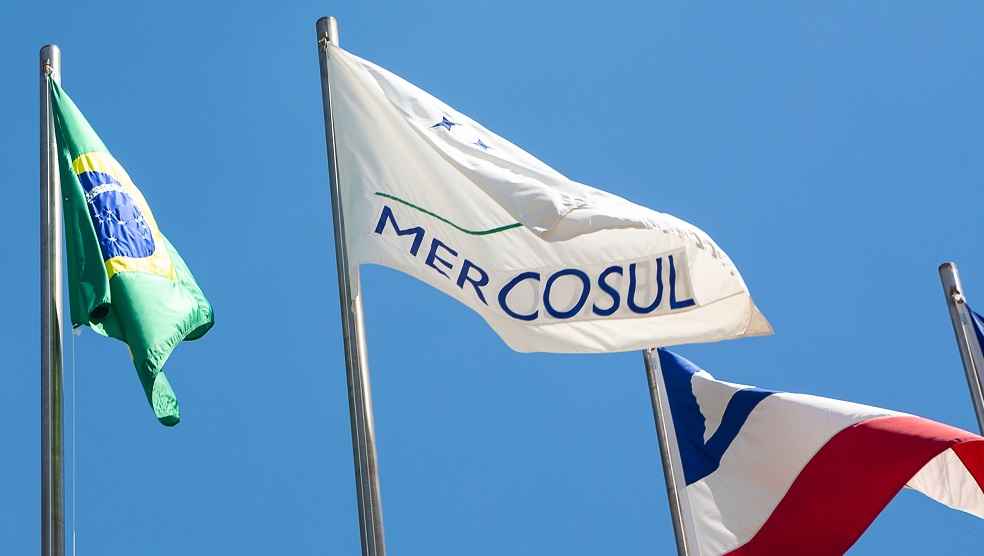
The EU-Mercosur deal, which has been under negotiation for 26 years, was expected to be signed in Brazil this weekend, but European Commission spokesperson Paula Pinho confirmed the signature has been postponed until January.
Supporters of the deal warn that the delay risks damaging the EU’s global trade credibility at a time of heightened commercial tensions with China and the United States.
Once ratified, the agreement would cover a market of 780 million people and roughly one quarter of global GDP, progressively eliminating duties on most trade between the blocs.
The pact’s proponents see it as a geopolitical move that could strengthen Europe’s position in global trade and provide a counterweight to Beijing’s export controls and Washington’s tariffs.
Critics, particularly French farmers and unions, fear the influx of agricultural imports from Mercosur nations could undermine European farmers whose production standards and subsidy regimes face growing uncertainty.
Thursday’s agreement to delay the signature was reached by European Commission President Ursula von der Leyen and European Council President Antonio Costa, reportedly after negotiations with Italian Prime Minister Giorgia Meloni.
An EU official said Italy signaled it could support the deal in January if additional guarantees are secured for its agricultural sector. France continues to demand stronger safeguards, stricter enforcement on pesticides, import inspections, and protections against economic disruption to EU producers.
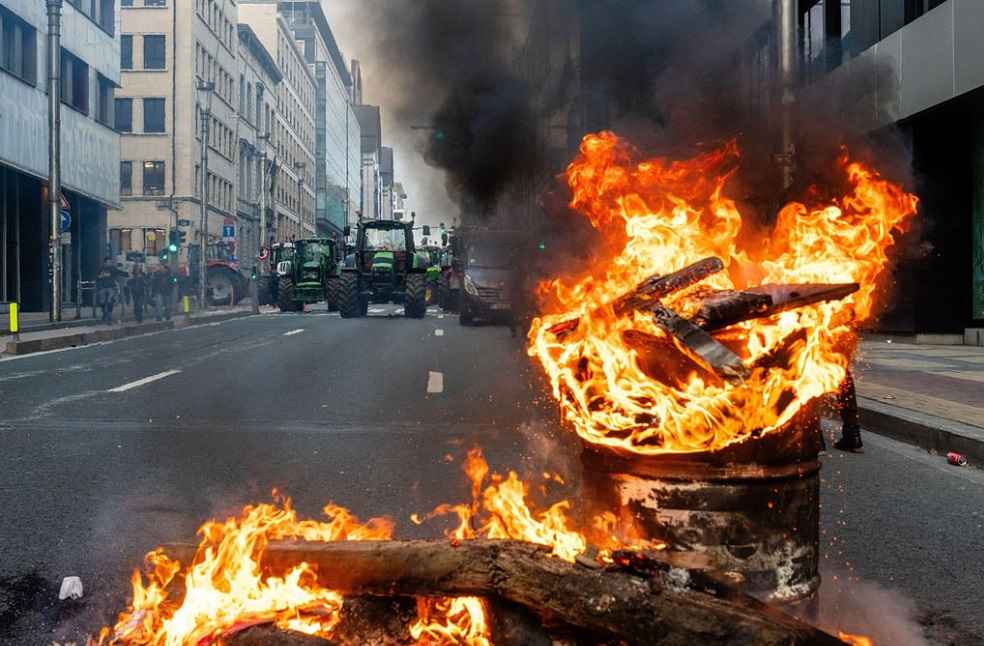
The postponement followed dramatic scenes in Brussels, where police used tear gas and water cannons as farmers blocked roads with tractors, burned tires, and hurled produce to protest the pact.

The confrontation damaged nearby buildings and prompted evacuations from the European Parliament. Farmers from Belgium, France, Spain, and Poland joined the protests, with many warning that the agreement would jeopardize their livelihoods.
Italy and France’s reservations are not isolated. Across Europe, agricultural groups are voicing concerns amid broader disputes over subsidy reforms, rising production costs, and low commodity prices. Farmers in Greece have staged highway blockades for weeks over delayed subsidy payments and economic strain.
Despite the backlash, Germany, Spain, and Nordic countries continue to support the trade agreement, arguing it is necessary for European export growth. German Chancellor Friedrich Merz warned that failure to advance the pact would diminish the EU’s credibility.
Analysts say repeated delays may push South American economies closer to China, complicating Europe’s strategic ambitions. Agathe Demarais of the European Council on Foreign Relations cautioned that Beijing could gain influence in Latin America if Europe fails to finalize the deal soon.
Mercosur leaders also expressed frustration. Brazilian President Luiz Inácio Lula da Silva, who had planned to celebrate the signing at Saturday’s summit, criticized Italy and France’s hesitation and warned Brazil may halt future trade agreements if the deal collapses.
Argentine President Javier Milei, despite ideological differences with Lula, has voiced support for the pact, framing it as an opportunity for Mercosur countries to expand global market access rather than shield their economies.
TRADE WORLD | India, Oman Ink CEPA Granting Duty-Free Access to Most Indian Exports
