


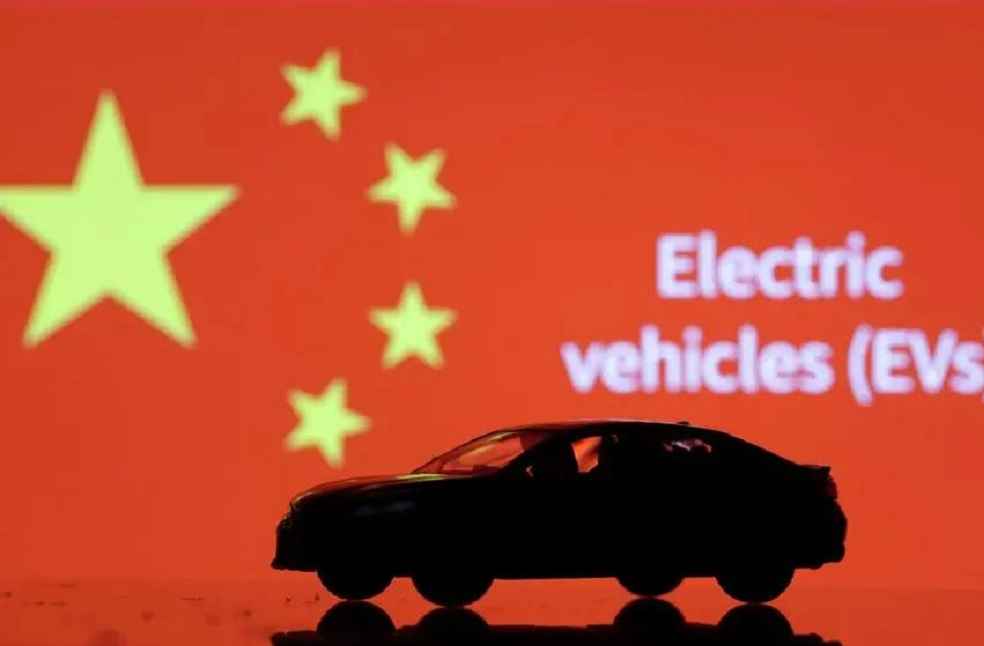
China and the European Union said on Monday they have agreed on steps toward resolving their EV tariff dispute over the EU’s imports of Chinese-made electric vehicles, signalling a potential shift in a trade conflict that escalated after the bloc imposed steep tariffs last year.
In a statement, China’s Ministry of Commerce said the EU would issue guidelines on minimum pricing for Chinese auto exporters. The statement did not explicitly confirm whether the agreement would lead to the removal of tariffs of up to 35.3% that the EU imposed in 2024 following an anti-subsidy investigation into Chinese electric vehicles.
The ministry said the move would support stable China–EU economic and trade relations and help safeguard the rules-based international trading system.
Separately, a guidance document released by the EU outlined how electric vehicle manufacturers can submit price commitments, including minimum import prices and other technical details. The European Commission said wide differences in vehicle types and specifications required tailored minimum prices that are appropriate to remove the injurious effects of the subsidisation.
The Commission said each offer would be assessed in an objective and fair manner, based on non-discrimination principles and in line with World Trade Organization rules.
The rapid overseas expansion of Chinese electric vehicle makers has raised concerns among automakers in Europe and the United States.
The EU introduced tariffs after concluding that Chinese producers benefited from unfair government support, enabling them to sell cars at prices that undercut European competitors. The United States took a tougher stance in 2024 by imposing a 100% tariff on Chinese-made electric cars, effectively blocking most imports.
Imports of battery-powered vehicles into Europe surged from about $1.6 billion in 2020 to $11.5 billion in 2023. A large share of those imports came from Western automakers operating factories in China, including Tesla and BMW.
European officials have argued that Chinese domestic brands are positioned to gain market share rapidly due to extensive state support, including government fleet orders, low-interest loans from state-owned banks, access to low-cost industrial land, tax incentives, and subsidized raw materials and components from state-linked suppliers.
Despite higher tariffs, Chinese car brands have continued to expand their presence in Europe. China-manufactured vehicles accounted for about 6% of EU car sales in the first half of 2025, up from 5% in the same period a year earlier, according to data from the European Automobile Manufacturers’ Association (ACEA) and S&P Global Mobility.
EU-based manufacturers still dominate the market, representing around 74% of total EU car sales in the first half of 2025, ACEA said. Germany remained the largest producer, accounting for roughly 20% of cars sold in the EU, followed by Spain, Czechia, and France.
Consultancy AlixPartners has estimated that Chinese automakers could double their European market share to around 10% by 2030, even as trade measures remain in place.
The EU faces a balancing act between protecting domestic manufacturers and meeting its climate targets, which require a 55% cut in greenhouse gas emissions by 2030. Affordable electric vehicles are seen as essential to accelerating consumer adoption, adding pressure to find trade solutions that do not restrict access to lower-cost models.
MOST POPULAR | China Reopens Market to Irish Beef After BSE Suspension