


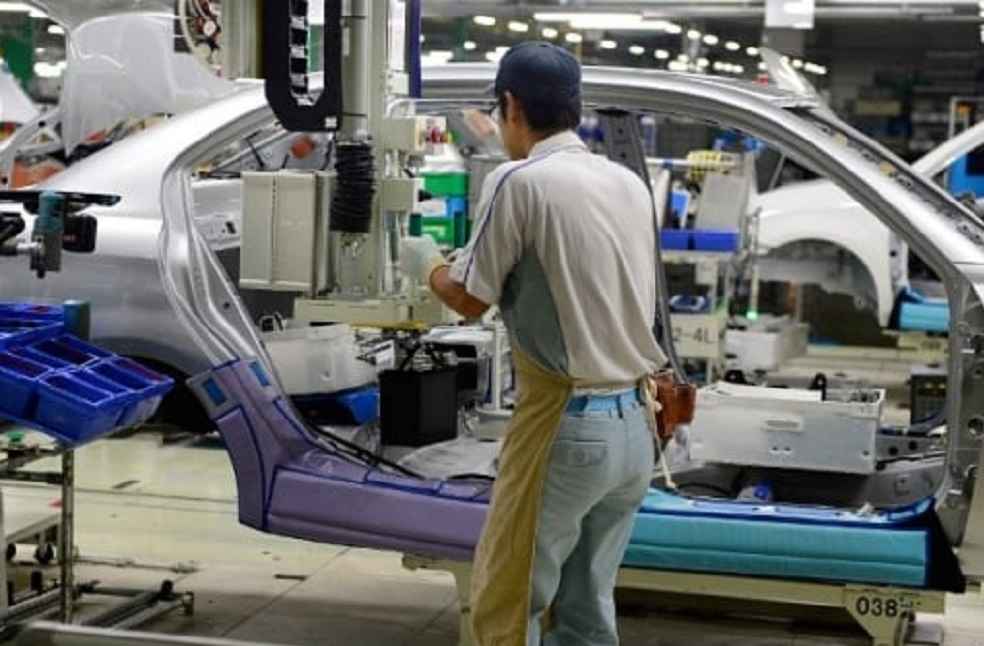
Egypt is accelerating the auto localization of its automotive industry as part of a wider strategy to strengthen industrial logistics, expand exports, and attract foreign investment, with the government targeting global manufacturers and scaling up production-linked infrastructure.
Prime Minister Mostafa Madbouli said the state is prioritizing automotive localization through the National Automotive Industry Development Program, aimed at attracting major international manufacturers.
Speaking during a meeting with the ministers of industry, finance, and foreign trade, Madbouli said the initiative seeks to build a strong industrial base capable of meeting domestic demand while supporting export growth, with a particular focus on electric vehicles and their components in line with global clean energy trends.
Cabinet spokesman Mohamed el-Homsani said the strategy is designed to enhance the competitiveness of Egyptian industry at both regional and international levels.
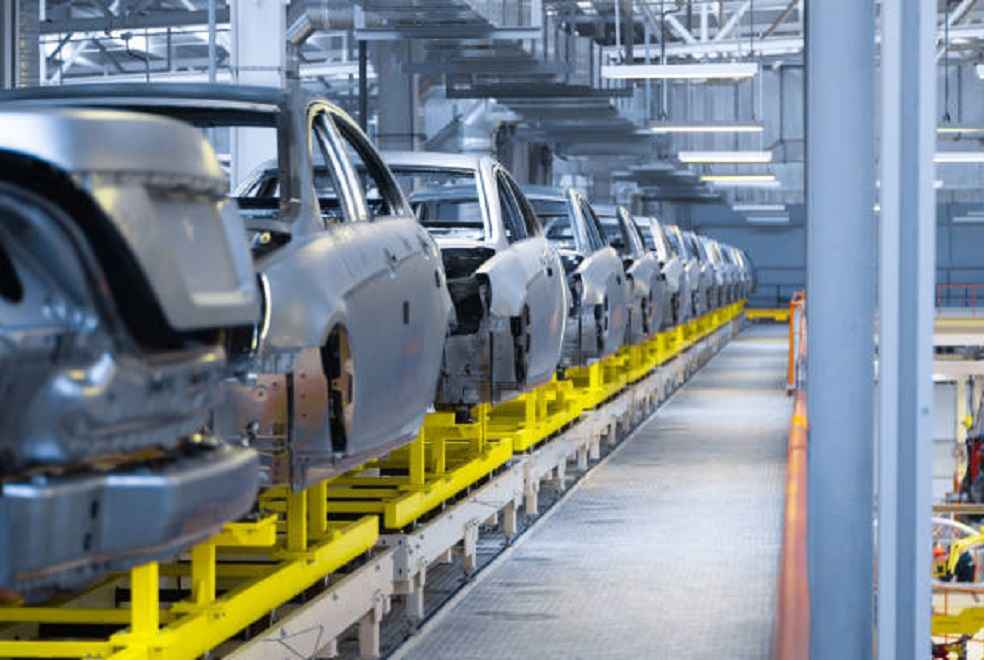
The meeting reviewed the current share of electric vehicles in the domestic market, projected growth rates, investment proposals submitted by international companies, and incentive packages intended to encourage local manufacturing and strengthen supply chains.
Officials also discussed measures to boost the competitiveness of Egypt’s free zones as logistics and export platforms. Government figures showed that the number of projects operating in free zones reached 1,237 by October 2025, with a total capital of $14.3 billion and employment of about 245,000 workers. The zones play a central role in industrial production, warehousing, and trade-related services.
Minister of Investment and Foreign Trade Hassan El-Khatib said Egypt’s nine public free zones host 1,019 projects with total investment costs of $38.5 billion.
He noted that export performance in 2024 included $11 billion in commodity exports, $7 billion in services exports, and $6.5 billion in petroleum exports, highlighting the contribution of free zones to outbound logistics and international trade flows.

El-Khatib added that priority sectors for future free zone development include automotive components, logistics services, port development, information technology, pharmaceuticals, food processing, textiles, and energy solutions, aligning industrial policy with transport and trade infrastructure planning.
Deputy Prime Minister and Minister of Industry Kamel El-Wazir met Shin Feng Steel chief executive Malu Chang to discuss a planned $10 billion integrated industrial steel complex in Egypt. The facility is expected to produce 10 million tons of automotive and industrial steel annually and will include hot and cold rolling, galvanizing, and advanced processing lines.
The project is designed to support the automotive, energy, and infrastructure sectors while strengthening domestic supply chains. It will rely on local iron ore and renewable energy, create an estimated 15,000 direct jobs and 85,000 indirect jobs, and help reduce imports while expanding export capacity, reinforcing Egypt’s ambition to position itself as a regional manufacturing and logistics hub.
BUSINESS GENERAL | Vietnam and EU Elevate Ties to Strategic Partnership