



The European Central Bank (ECB) has opted to maintain its benchmark interest rate at 2% despite renewed global uncertainty stirred by Donald Trump’s proposed 30% import tariff. The decision, announced Thursday, signals the ECB’s cautious stance ahead of its summer recess, choosing to observe economic developments rather than rush into policy changes.
The move delays any cut in borrowing costs until at least September, when policymakers reconvene with fresh economic projections. With inflation currently near target, ECB officials prefer to wait for more data before adjusting course, particularly with concerns mounting over global trade tensions and internal eurozone pressures.
Market observers note that the strengthening euro is already dampening export competitiveness and dragging inflation forecasts. France’s ongoing fiscal struggles are further complicating the economic landscape, raising pressure on the ECB to act, but not just yet.
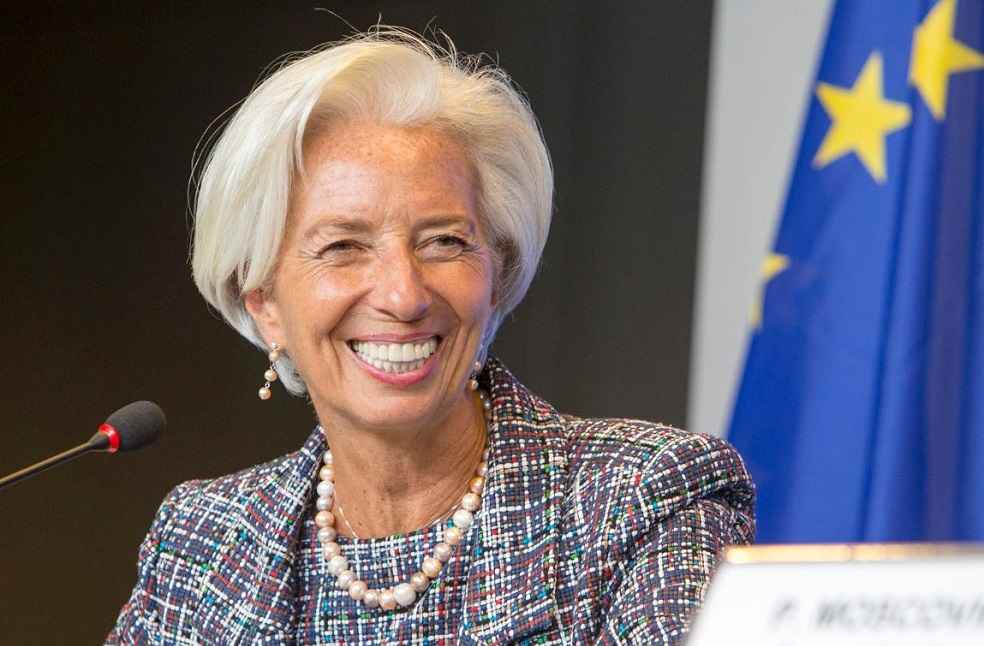
ECB President Christine Lagarde acknowledged the downside risks to growth but maintained the institution’s “meeting-by-meeting” policy stance. Analysts expect September could bring a rate cut, depending on economic indicators due over the coming weeks.
Among the key data points the ECB will monitor are Tuesday’s eurozone bank lending survey, Wednesday’s consumer confidence figures, and Thursday’s regional purchasing manager indexes (PMIs). These reports will arrive just before the ECB’s policymakers depart for their summer break, followed by German and Italian sentiment indices on Friday.
Diverging Paths Among Central Banks Worldwide
Outside the eurozone, central banks are responding differently to the evolving global economic landscape.
In the United Kingdom, Bank of England Governor Andrew Bailey is set to testify before lawmakers this week on financial stability. The UK will also release public finance data, PMIs, and retail figures, potentially influencing future policy direction.

The United States, meanwhile, presents a lighter economic calendar. Wednesday’s existing home sales report and Thursday’s new home sales data are unlikely to show major shifts, as the housing market remains subdued due to high mortgage rates and affordability issues.
Canada will unveil business and consumer sentiment data, alongside May–June retail sales numbers, which may highlight weakened consumer demand following earlier tariff-driven vehicle purchases.
Global Trade and Monetary Trends Across Continents
In Asia, South Korea will release export, confidence, and retail data, while China is expected to keep its loan prime rate unchanged for the second consecutive month.
Africa’s focus includes South Africa’s June inflation reading, projected to rise to 3.1%, and Nigeria’s interest rate decision, where the central bank is expected to hold steady at 27.5% amid persistent 22.2% inflation.

In Latin America, Argentina will publish its May GDP-proxy data following strong April figures. President Javier Milei’s currency liberalization, part of a $20 billion IMF agreement, has bolstered growth expectations, with Bloomberg forecasting 8% expansion in Q2 and 4.2% in Q3.
Mexico faces economic pressure as well, with its upcoming GDP proxy print reflecting April’s strength. June’s easing inflation may prompt the central bank to slow its monetary easing cycle.
Brazil will conclude the week with its mid-month inflation report, likely marking a third consecutive decline. 2025 inflation expectations remain above target, complicating policy outlooks.
GLOBAL ROUNDUP | India-U.S. Trade Agreement Negotiations Enter Final Phase