



The Democratic Republic of Congo restarted cobalt exports following a 10-month suspension aimed at countering falling prices, the government stated on Tuesday.
The DRC, the world’s largest producer of cobalt—a vital material for high-end batteries in smartphones and electric vehicles—initially imposed a four-month ban on exports to stabilize the market amid a global oversupply.
“Since Friday, the Democratic Republic of Congo has resumed exporting its cobalt,” Finance Minister Doudou Fwamba said.
He emphasized that the February suspension was intended to safeguard national control over raw materials.
According to the U.S. Geological Survey, the DRC accounted for 76% of global cobalt production in 2024.
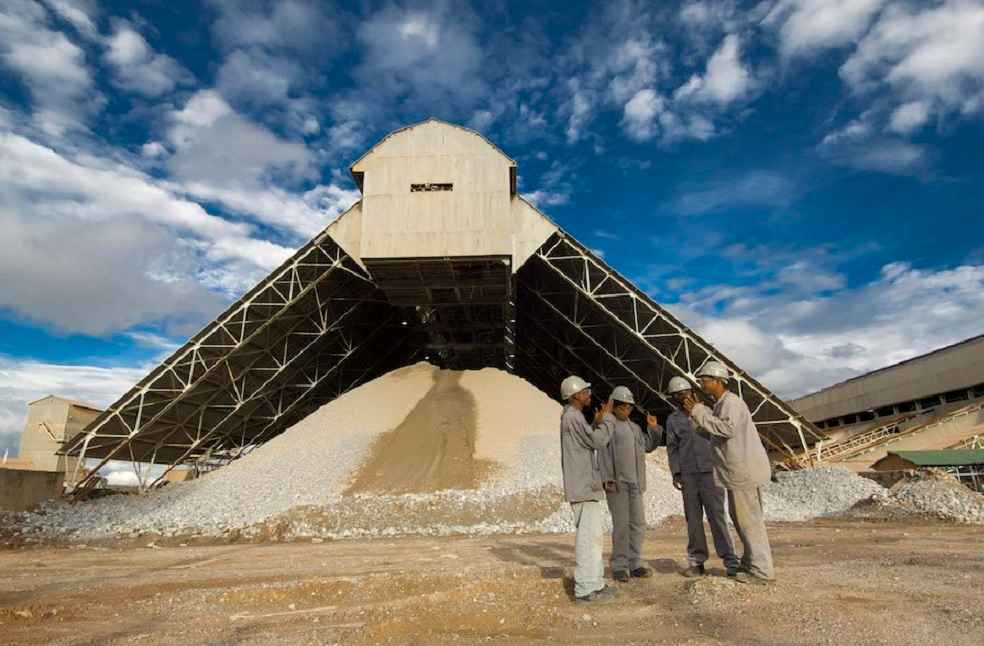
The export suspension was intended to curb declining prices driven by oversupply, particularly from Chinese mining firm CMOC.
CMOC runs Tenke Fungurume and Kisanfu in the DRC, two of the largest cobalt mines worldwide.
“How can we be the number-one supplier of 70% of this strategic product yet not influence price formation, we refused to accept that,” Fwamba stated.
“We lost fiscal revenue due to the systematic decline in prices,” he added.
He noted that the strategy, overseen by ARECOMS—the Congolese agency regulating small-scale subsistence mining—had proven effective, with cobalt prices climbing from $22,000 per ton to around $54,000–$55,000.
Despite its abundant mineral resources, the DRC is still one of the world’s least developed nations, with resource competition, fueled conflict, corruption, smuggling, and mismanagement.
Cobalt is primarily mined in the southeastern Katanga province. Unlike the eastern provinces of North Kivu and South Kivu, which are engulfed in armed conflict and largely controlled by the Rwanda-backed M23 militia, Katanga has mostly remained unaffected by violence.
BANKING & FINANCE | Indonesia Backs Furniture Sector with Export Financing Plan

